


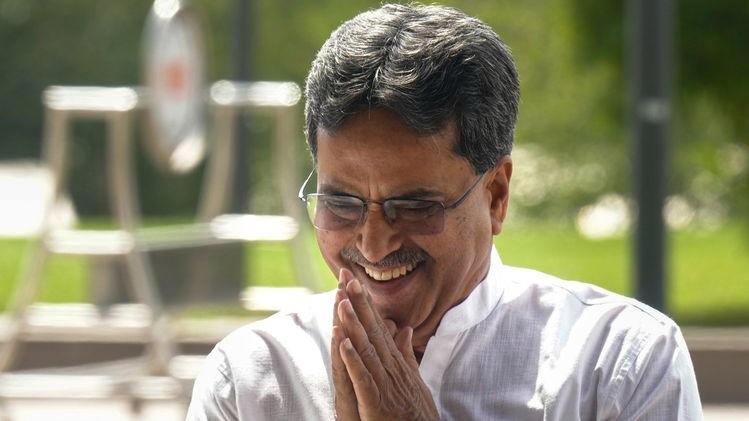
Tripura Chief Minister Manik Saha has indicated that the state government is considering handing over the management of some government schools to private bodies as part of efforts to improve educational standards and enhance the overall quality of learning. The proposal, currently under consideration, is aimed at addressing challenges related to infrastructure, academic performance, and administrative efficiency in selected institutions.
The Chief Minister stated that the government remains committed to strengthening the education sector and ensuring that students receive quality education. The move is being explored as one of several strategies to modernize the state’s educational framework and create a more effective learning environment for students.
The proposal has generated discussion among education experts, parents, teachers, and policymakers regarding its potential benefits and implications for public education in Tripura.
Government Exploring New Models for School Management
Speaking about the state’s education reforms, Chief Minister Manik Saha emphasized the need to adopt innovative approaches to improve learning outcomes and institutional performance. He noted that while the government continues to invest heavily in education, certain schools may benefit from alternative management structures that can bring additional expertise and resources.
The proposed model would involve private organizations or educational bodies taking responsibility for the administration and operation of selected government schools while maintaining educational objectives and ensuring student welfare.
Officials clarified that discussions are still at a preliminary stage and that detailed policies and guidelines would be developed before any implementation takes place.
Focus on Improving Educational Quality
One of the primary objectives behind the proposal is to improve the quality of education offered in government schools. Authorities believe that collaboration with experienced educational organizations could help introduce modern teaching methods, stronger academic monitoring systems, and improved institutional management.
Education experts often stress that quality learning depends on multiple factors, including effective leadership, teacher development, curriculum delivery, and student support systems. The government is exploring ways to strengthen these aspects through innovative partnerships and administrative reforms.
Officials have stated that improving educational outcomes remains the central focus of any proposed changes.
Addressing Infrastructure Challenges
Infrastructure development has been a major priority for the Tripura government in recent years. Several schools across the state have witnessed upgrades in classrooms, laboratories, libraries, sanitation facilities, and digital learning resources.
However, challenges continue to exist in some institutions, particularly in remote and rural areas. The proposed involvement of private bodies could potentially bring additional investment and management expertise to improve school infrastructure and maintenance.
Supporters of the idea argue that enhanced infrastructure can create a more conducive learning environment and contribute significantly to student engagement and academic success.
Potential Benefits of Public-Private Collaboration
Public-private partnerships in education have been implemented in various forms across different parts of India and abroad. Such collaborations often aim to combine government support with private sector efficiency and innovation.
Advocates of the model suggest that private management can introduce improved accountability, better resource utilization, and innovative teaching practices. They also argue that such partnerships can help schools adapt more quickly to changing educational requirements and technological advancements.
The Tripura government is reportedly examining experiences from other states and educational systems to assess the potential benefits and challenges associated with similar arrangements.
Concerns and Questions from Stakeholders
The proposal has also raised concerns among certain stakeholders, particularly regarding the future role of government schools and the protection of public education principles.
Teachers’ organizations, education experts, and community representatives have emphasized the importance of ensuring that access to affordable and equitable education is not compromised. Questions have also been raised regarding staffing arrangements, admission policies, and accountability mechanisms under any new management model.
The government has assured stakeholders that consultations will be conducted and that any decisions will prioritize the interests of students and educational development.
Government Reiterates Commitment to Public Education
Chief Minister Manik Saha has reiterated that the government remains fully committed to strengthening public education and expanding opportunities for students across the state. He emphasized that any proposed reforms would be designed to complement, rather than weaken, the existing education system.
The state government has implemented several initiatives in recent years aimed at improving educational infrastructure, promoting digital learning, reducing dropout rates, and enhancing teacher training programs.
Officials maintain that the objective is to identify effective solutions that can deliver better educational outcomes while ensuring that government schools continue to serve students from all backgrounds.
Education Reforms in Tripura
Tripura has undertaken various educational reforms in recent years as part of efforts to improve literacy, enrollment, and academic performance. Investments have been made in school modernization, technology integration, teacher recruitment, and student welfare schemes.
The government has also focused on expanding access to quality education in rural and underserved areas. Initiatives aimed at reducing dropout rates and improving learning outcomes have shown encouraging results, according to official assessments.
The consideration of alternative management models reflects the government’s broader effort to explore new strategies for sustaining educational progress and addressing emerging challenges.
Importance of Stakeholder Consultation
Education policy experts stress that meaningful stakeholder consultation is essential when introducing significant reforms in the education sector. Parents, teachers, students, school administrators, and community representatives all play important roles in shaping successful educational outcomes.
The government is expected to engage with various stakeholders before finalizing any decision regarding the management of government schools. Such consultations can help identify concerns, gather suggestions, and ensure that reforms are implemented in a transparent and inclusive manner.
A collaborative approach is considered crucial for achieving broad public support and ensuring the long-term success of educational initiatives.
Looking Ahead
While the proposal to hand over some government schools to private bodies remains under consideration, it has already sparked important discussions about the future of education in Tripura. The initiative reflects the government’s willingness to explore innovative solutions aimed at improving academic standards, infrastructure, and institutional efficiency.
As deliberations continue, policymakers will need to carefully balance the goals of quality improvement, accessibility, accountability, and equity. The outcome of these discussions could play a significant role in shaping the next phase of educational reform in the state.
For now, the government’s focus remains on ensuring that every student has access to quality education and the opportunities needed to succeed in an increasingly competitive world. Whether through traditional public systems or new partnership models, the ultimate objective continues to be the creation of a stronger, more inclusive, and future-ready education sector in Tripura.