

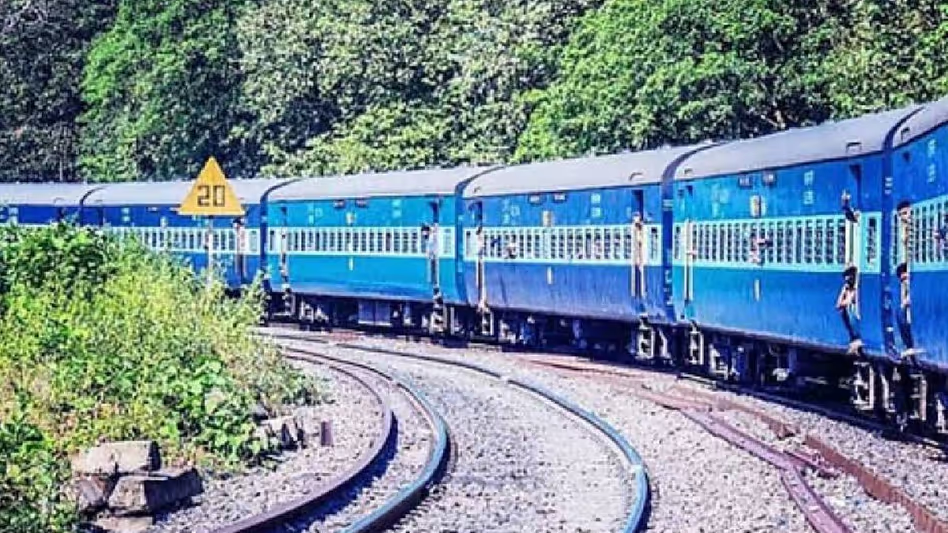
The Tripura Transport Blockade is set to begin on August 13 after former tribal militant factions announced an indefinite blockade of national highways and railway routes over socio-economic demands. The proposed action could disrupt passenger movement, freight services, and essential supply chains across the state.
The Tripura Transport Blockade comes amid renewed pressure from tribal groups seeking attention to their socio-economic concerns. The planned disruption could affect road and rail connectivity, particularly if the blockade continues for an extended period.
National highways and railway networks play a critical role in connecting Tripura with other parts of the Northeast and the country. Moreover, prolonged restrictions could affect the movement of food, fuel, medicines, commercial goods, and other essential supplies.
Authorities will likely monitor developments closely as the August 13 deadline approaches. Therefore, efforts to maintain communication with the groups and address concerns could prove important in preventing prolonged disruption.
NEHU Digital Classrooms: University Launches Integrated Learning Management System
Tripura Transport Blockade Planned Over Socio-Economic Demands
The Tripura Transport Blockade will reportedly begin on August 13, with former tribal militant factions announcing an indefinite shutdown of key transport routes.
The groups have linked the proposed blockade to socio-economic demands. However, the available information does not provide a detailed list of all demands or specify the negotiating position of the state government.
Moreover, an indefinite blockade could create challenges for residents who depend on highways and railways for daily travel. Consequently, authorities may need to prepare contingency measures if the disruption affects major transport corridors.
The announcement has also raised concerns about the potential impact on commercial transportation. Freight operators may face difficulties moving goods if highway access becomes restricted.
Highway and Rail Disruption Could Affect Essential Supplies
The Tripura Transport Blockade could affect both road and rail connectivity if the proposed action begins as announced. These transportation networks support the movement of essential commodities into and across the state.
Additionally, prolonged disruptions can increase logistical pressure on businesses and households. Food products, fuel, construction materials, medicines, and other supplies often depend on reliable transportation networks.
Railway services could also face operational challenges if protesters block railway tracks or access points. Meanwhile, highway restrictions could affect buses, trucks, private vehicles, and emergency transportation.
The exact locations targeted by the announced blockade remain unclear from the available information. Therefore, the extent of any potential disruption will depend on how the groups implement the proposed action.
Authorities may also issue travel advisories or introduce alternative arrangements if the situation develops further.
Tripura Transport Blockade Raises Concerns Over Connectivity
The Tripura Transport Blockade highlights the importance of uninterrupted connectivity for Tripura, particularly because the state depends heavily on transportation links for economic activity and essential supplies.
Moreover, an indefinite blockade could create uncertainty for commuters, traders, transport operators, and businesses. Consequently, prolonged disruptions could produce wider economic effects if authorities cannot restore normal movement.
The announcement also places renewed attention on the socio-economic concerns raised by tribal groups. Furthermore, dialogue between stakeholders could provide an opportunity to address grievances without allowing transportation disruptions to escalate.
At the same time, authorities must balance public safety, freedom of movement, and the need to maintain essential services. Therefore, contingency planning remains important ahead of August 13.
The available information does not confirm whether negotiations between the groups and government representatives have produced any agreement.
Conclusion
The Tripura Transport Blockade is scheduled to begin on August 13, after former tribal militant factions announced an indefinite blockade of national highways and railway routes over socio-economic demands.
Furthermore, the proposed action could affect passenger travel, freight movement, and essential supply chains if it continues for an extended period. Authorities will need to monitor the situation closely and maintain communication with all stakeholders.
Overall, the Tripura Transport Blockade has created uncertainty around the state’s road and rail connectivity. Dialogue, effective contingency planning, and timely communication could help limit disruption while addressing the socio-economic concerns behind the announcement.
FAQs
1. When will the Tripura Transport Blockade begin?
The announced Tripura Transport Blockade is scheduled to begin on August 13.
2. How long will the blockade continue?
The groups have announced an indefinite blockade, meaning they have not specified an end date.
3. Which transport routes will the blockade target?
The announcement covers national highways and railway routes in Tripura.
4. Why are the groups calling for the blockade?
Former tribal militant factions have cited socio-economic demands as the reason for the proposed action.
5. Could the blockade affect essential supplies?
Yes. A prolonged disruption to highways and railways could affect the movement of food, fuel, medicines, commercial goods, and other essential supplies.