

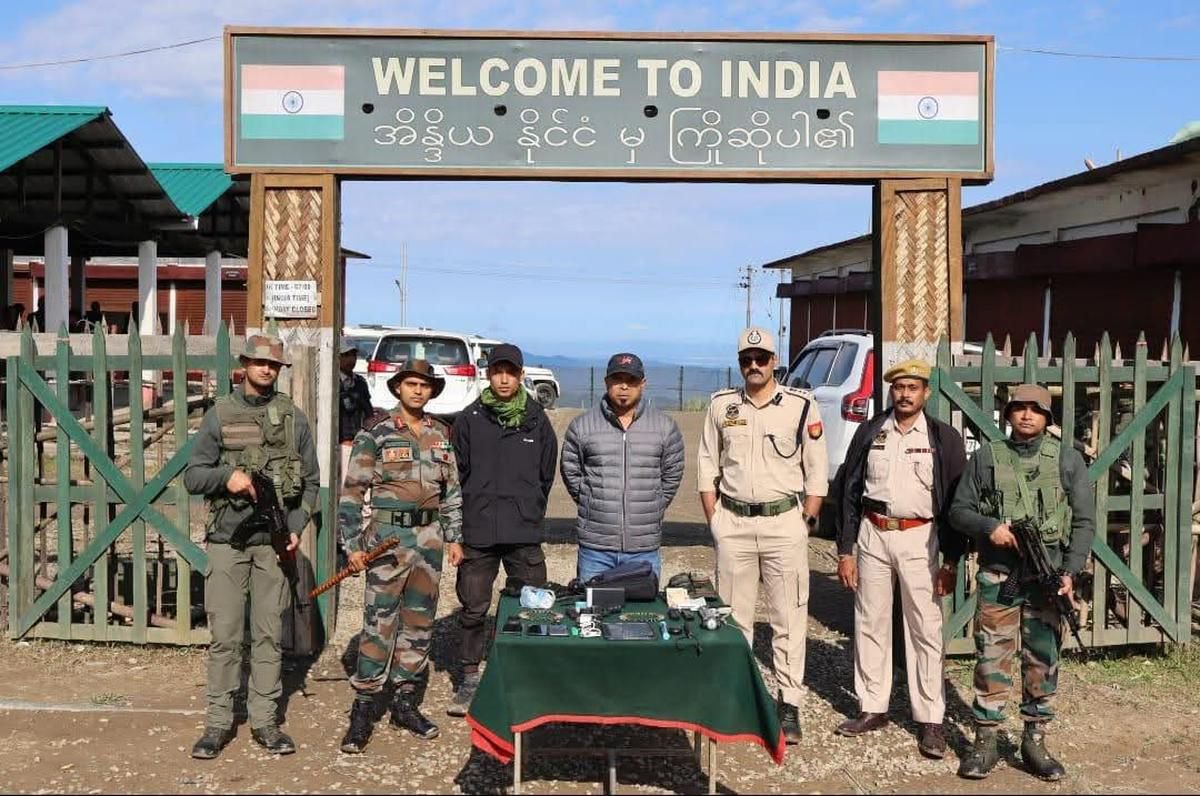
ULFA Cadre Surrenders Nagaland Operation became a major security development in Northeast India after an active member of the banned militant outfit United Liberation Front of Asom-Independent surrendered before security forces during a coordinated counter-insurgency mission in Nagaland. Officials confirmed that the operation involved joint teams of the Indian Army, Assam Rifles, and Nagaland Police based on specific intelligence inputs regarding militant movement in the region.
Security agencies stated that the operation was conducted in a forested area near the Indo-Myanmar border where insurgent groups are believed to maintain temporary hideouts. Authorities recovered weapons, ammunition, and communication equipment during the operation. The surrendered cadre was later shifted to a secure location for questioning and further investigation.
IMD Severe Weather Alert Across Northeast
Suvendu Adhikari Begins Bengal Leadership Era
Joint Operation Conducted in Border Region
The targeted operation was launched after intelligence agencies reportedly tracked suspicious movement linked to members of United Liberation Front of Asom operating in border areas of Nagaland. Security officials said the mission involved coordinated surveillance and ground action by multiple forces over several days.
According to officials, troops surrounded a suspected transit point used by insurgent groups in a remote section of Nagaland. During the operation, one ULFA(I) cadre reportedly surrendered without resistance. Authorities stated that security forces avoided civilian areas while carrying out the mission to ensure public safety.
The surrender came amid continued counter-insurgency efforts across northeastern states where security agencies are increasing pressure on militant organizations active near international border regions.
Weapons and Equipment Recovered
Officials confirmed that security personnel recovered one assault rifle, live ammunition, wireless communication devices, and other materials during the operation. Investigators are examining the recovered items to identify possible links with insurgent networks operating in the Northeast.
ULFA Cadre Surrenders Nagaland Operation also highlighted ongoing concerns regarding cross-border insurgent activity. Security experts believe militant groups continue attempting to use remote forest routes and difficult terrain for movement between camps and operational zones.
Authorities stated that the surrendered militant may provide important information regarding recruitment networks, supply channels, and the movement of armed groups near border regions. Interrogation teams have reportedly started collecting intelligence inputs connected to the organization’s activities.
Security Forces Intensify Counter-Insurgency Efforts
Counter-insurgency operations have increased in several northeastern states over the past few years as security agencies attempt to dismantle militant infrastructure. The Indian Army and Assam Rifles have conducted multiple joint missions in coordination with local police forces across Assam, Nagaland, Arunachal Pradesh, and Manipur.
Officials stated that recent operations focused on disrupting militant hideouts, intercepting arms movement, and encouraging insurgents to surrender. Security agencies also intensified surveillance near border districts because of concerns related to illegal movement and smuggling activities.
ULFA Cadre Surrenders Nagaland Operation is being viewed as part of broader efforts aimed at maintaining stability in the Northeast. Experts believe intelligence-based operations have helped reduce militant activity in several regions over recent years.
Authorities Encourage More Surrenders
Senior security officials appealed to other militants to surrender and join the rehabilitation process offered by the government. Authorities stated that surrender and rehabilitation policies are intended to help former militants return to mainstream society through vocational training and financial assistance programs.
Government officials from Assam and Nagaland have repeatedly emphasized the importance of peace and development in the region. Infrastructure expansion, road connectivity projects, and employment initiatives are also being promoted to address long-term security challenges in remote areas.
Meanwhile, local residents in border districts welcomed the operation and expressed hope for improved peace and security conditions. Community leaders stated that reduced militant activity could support economic growth and improve connectivity in the region.
Northeast Security Situation Remains Sensitive
The Northeast has witnessed insurgency-related challenges for decades because of geographical, political, and ethnic factors. Several militant organizations have historically operated in remote border regions across Assam, Nagaland, and neighboring states.
Security experts noted that militant groups often rely on difficult terrain and cross-border movement to avoid detection. Therefore, intelligence coordination between state police forces and central security agencies remains critical for successful counter-insurgency operations.
ULFA Cadre Surrenders Nagaland Operation also reflects the increasing use of targeted intelligence gathering and coordinated military action in handling insurgent threats. Authorities believe sustained operations and rehabilitation efforts may further reduce militant influence in sensitive areas.
Investigation and Verification Underway
Officials stated that the surrendered cadre is currently undergoing verification and questioning by intelligence agencies. Authorities are examining possible links to recent insurgent activity in northeastern states. Security personnel also continue conducting search operations in nearby forest areas to detect any additional militant presence.
Investigators are expected to analyze digital communication devices and documents recovered during the operation. Sources indicated that agencies are focusing on identifying logistical support systems and possible financial networks connected to the insurgent group.
ULFA Cadre Surrenders Nagaland Operation has therefore become an important development in ongoing security operations across Northeast India, where authorities continue efforts to maintain stability and prevent militant regrouping.
Conclusion
The surrender of a ULFA(I) cadre during a joint security operation in Nagaland marks another significant step in ongoing counter-insurgency efforts across the Northeast. Coordinated action by the Indian Army, Assam Rifles, and Nagaland Police led to the recovery of weapons and intelligence-related materials during the mission. ULFA Cadre Surrenders Nagaland Operation now adds to broader regional efforts aimed at reducing militant activity, strengthening border security, and encouraging peaceful rehabilitation of insurgents.
FAQs
Which militant group was involved in the operation?
The surrendered cadre belonged to the ULFA(I), also known as the United Liberation Front of Asom-Independent.
Where did the operation take place?
The operation was conducted in a remote border area of Nagaland near the Indo-Myanmar region.
Which forces participated in the operation?
The Indian Army, Assam Rifles, and Nagaland Police jointly carried out the mission.
What items were recovered during the operation?
Security forces recovered weapons, ammunition, and communication equipment.
Why are joint operations important in the Northeast?
Joint operations help security agencies monitor insurgent movement and maintain regional stability.
What happens after a militant surrenders?
Authorities conduct questioning, verification, and rehabilitation procedures under government policies.