

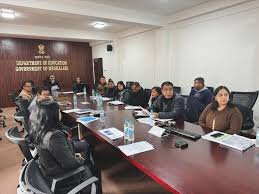
ULLAS surveyor orientation program was organized by the Education Department in Kohima to prepare surveyors for upcoming literacy and educational assessment activities. Meanwhile, officials stated that the specialized training aimed to improve data collection accuracy and strengthen community-based educational outreach. The orientation brought together field surveyors, education officers, and administrative staff involved in the implementation of the ULLAS initiative. Additionally, department representatives emphasized the importance of professional training in ensuring effective literacy-related surveys.
Assam Chemists Strike Split as Many Shops Remain Open
East Khasi Hills Holds Electoral Roll Revision Briefings
Education Department Conducts Specialized Training
Senior officials from the Education Department addressed participants during the orientation session in Kohima. Consequently, surveyors received detailed guidance on survey methods, reporting standards, and community interaction procedures. Trainers explained that accurate field data remains essential for evaluating literacy and educational progress in different regions.
Department representatives stated that the ULLAS initiative focuses on improving adult education and foundational literacy support. However, they stressed that survey quality directly depends on properly trained personnel. At the same time, instructors encouraged surveyors to maintain transparency and professionalism during field activities.
The ULLAS surveyor orientation program also included technical sessions on digital reporting tools and documentation procedures. Furthermore, officials demonstrated practical methods for conducting household-level educational assessments efficiently.
Officials Stress Importance Of Reliable Data
Education authorities highlighted the role of field surveyors in strengthening educational planning and policy implementation. Meanwhile, trainers explained that accurate information helps authorities identify areas requiring additional literacy support and educational resources. Officials also noted that effective surveys contribute to better decision-making within the education sector.
Participants attended sessions focused on communication skills, field coordination, and ethical reporting standards. Specifically, instructors discussed methods for engaging respectfully with local communities during data collection activities. Earlier, department officials had reviewed survey challenges faced during previous literacy campaigns.
The ULLAS surveyor orientation program further emphasized the need for consistency in data recording and verification. Consequently, trainers advised participants to follow standardized reporting procedures to avoid discrepancies during assessments.
Surveyors Receive Practical Field Guidance
The orientation included simulation exercises and practical demonstrations designed to prepare participants for real field conditions. Meanwhile, experienced education officers shared examples of challenges commonly faced during community surveys. Trainers also explained methods for handling incomplete information and communication barriers.
Several participants described the sessions as informative and useful for improving field preparedness. In addition, officials encouraged surveyors to maintain regular coordination with district education authorities throughout the assessment process. Observers noted that hands-on training often improves the efficiency of large-scale educational surveys.
The ULLAS surveyor orientation program also addressed the importance of maintaining confidentiality while handling personal educational data. Moreover, technical experts guided participants on secure documentation and responsible reporting practices.
Literacy Initiative Gains Administrative Support
The ULLAS initiative has continued receiving support from education officials focused on improving literacy outreach in different communities. Meanwhile, department representatives stated that properly trained surveyors can help identify educational gaps more effectively. Administrators also highlighted the importance of grassroots-level educational assessments in policy planning.
Educational experts explained that adult literacy programs require accurate demographic and educational information for successful implementation. However, they also noted that field surveys often face logistical challenges in remote and rural areas. Despite this, authorities expressed confidence that trained personnel would improve operational efficiency.
The ULLAS surveyor orientation program therefore became part of broader educational development efforts in Nagaland. Consequently, analysts believe the initiative may strengthen literacy planning and educational resource distribution across districts.
Literacy Initiative Gains Administrative Support
Several surveyors attending the orientation requested regular refresher workshops and updated technical guidance. Meanwhile, participants stated that continuous training can improve confidence during field operations. Education officials responded by indicating that future support sessions may be organized if necessary.
Community educators also welcomed the department’s focus on capacity building for survey personnel. In addition, literacy advocates emphasized that accurate educational data remains essential for designing effective learning programs. Experts further suggested that technology-driven reporting systems could improve long-term monitoring of literacy initiatives.
The ULLAS surveyor orientation program generated positive feedback from participants who viewed the training as practical and professionally structured. Specifically, attendees appreciated the combination of technical instruction and field-based learning exercises.
Future Educational Assessments Expected Soon
Department officials indicated that surveyors would soon begin field assignments linked to literacy and educational evaluation projects. Furthermore, authorities stated that collected information may assist in shaping future adult education programs and learning support measures.
Educational administrators explained that the ULLAS initiative aims to strengthen inclusive learning opportunities across communities. Consequently, reliable field assessments remain important for identifying educational priorities and monitoring literacy progress. Analysts also noted that community engagement could play a significant role in the success of future surveys.
The ULLAS surveyor orientation program may therefore contribute to broader educational reforms and literacy expansion efforts in Nagaland. Ultimately, officials believe trained survey personnel can improve both the quality and effectiveness of future educational assessments.
Conclusion
The ULLAS surveyor orientation program organized in Kohima highlighted the Education Department’s focus on strengthening literacy assessments and field survey accuracy. Meanwhile, participants received specialized training in reporting methods, digital tools, and community engagement practices. Officials believe well-trained surveyors can support better educational planning and literacy outreach initiatives. Ultimately, the program may help improve future educational assessments and strengthen adult learning efforts across the region.
FAQs
Q1. What was the purpose of the orientation program in Kohima? The program aimed to train surveyors involved in literacy and educational assessment activities under the ULLAS initiative.
Q2. Who organized the training session? The Education Department conducted the orientation program for surveyors and education personnel.
Q3. What is the ULLAS surveyor orientation program? The ULLAS surveyor orientation program is a specialized training session designed to prepare surveyors for literacy-related field assessments and data collection.
Q4. What topics were covered during the orientation? Participants learned about survey techniques, digital reporting, communication skills, ethical practices, and field coordination methods.
Q5. Why is accurate survey data important? Reliable data helps education authorities plan literacy programs and identify areas needing educational support.
Q6. Will surveyors begin fieldwork after the training? Yes, officials indicated that trained surveyors are expected to participate in upcoming educational assessment activities.