


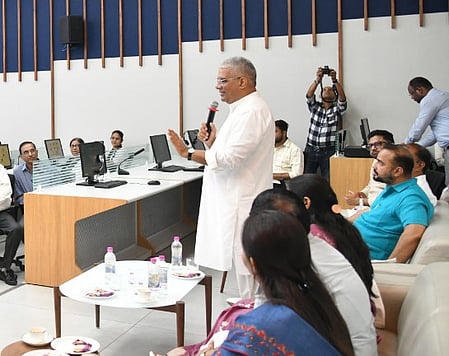
A Union minister reviewed education monitoring systems during an official visit to Gujarat, highlighting the importance of data-driven governance, technology integration, and effective implementation of educational policies. The visit focused on assessing the mechanisms used to monitor schools, track student performance, improve administrative efficiency, and ensure quality education across the state.
The review comes at a time when education systems across India are increasingly adopting digital tools and modern monitoring frameworks to enhance learning outcomes and strengthen accountability. Officials from the education department, school administrators, and other stakeholders participated in discussions aimed at evaluating existing practices and identifying areas for further improvement.
The minister emphasized that strong monitoring systems play a crucial role in ensuring that educational programmes achieve their intended objectives. Effective oversight can help improve student performance, strengthen school management, and ensure that resources are utilized efficiently.
The visit reflected the government’s broader commitment to improving educational quality and creating a system that is responsive to the needs of students, teachers, and communities.
Importance of Monitoring in Modern Education
Education monitoring has become an essential component of school administration and policy implementation. Monitoring systems help governments and educational institutions track progress, identify challenges, and make informed decisions based on reliable data.
Officials explained that effective monitoring enables authorities to assess attendance levels, learning outcomes, infrastructure conditions, teacher performance, and programme implementation. Such information helps policymakers develop targeted interventions and allocate resources where they are needed most.
The Union minister noted that educational reforms can deliver meaningful results only when supported by strong monitoring mechanisms. Regular assessment and evaluation ensure that policies translate into tangible improvements in classrooms and learning environments.
By strengthening monitoring systems, governments can better understand the needs of schools and take timely corrective measures whenever challenges arise.
Technology Driving Educational Transformation
A major focus of the review was the increasing role of technology in education management. Gujarat has implemented various digital initiatives aimed at improving monitoring, communication, and decision-making within the education sector.
Officials demonstrated technology-based platforms that enable real-time data collection and analysis. These systems allow administrators to monitor school activities, track student attendance, review academic performance, and assess programme implementation more efficiently.
The minister highlighted the importance of digital tools in improving transparency and accountability. Technology can help reduce administrative delays while providing decision-makers with accurate and up-to-date information.
Digital platforms also enable better coordination between schools, district authorities, and state-level administrators. Such integration contributes to more effective governance and helps ensure that educational policies are implemented consistently.
The review underscored the growing importance of technology as a tool for improving educational outcomes and institutional efficiency.
Enhancing Learning Outcomes for Students
Improving student learning outcomes remains one of the primary objectives of educational monitoring systems. The minister emphasized that data should be used not only for administrative purposes but also to support student achievement and academic growth.
Monitoring frameworks can help identify learning gaps, assess progress, and guide interventions aimed at improving educational performance. Regular evaluations provide valuable insights into areas where students may require additional support.
Officials noted that evidence-based decision-making enables educators to design strategies that address specific challenges and improve learning experiences. Such approaches can help ensure that students receive the assistance they need to succeed academically.
The minister stressed that educational success should ultimately be measured by the quality of learning and the development of students’ skills and abilities.
Supporting Teachers Through Better Systems
Teachers play a central role in the education system, and effective monitoring frameworks can support their professional development and classroom performance. During the review, discussions focused on how monitoring systems can help identify training needs and promote continuous improvement.
Officials explained that data collected through monitoring mechanisms can be used to evaluate teaching practices, identify areas for capacity building, and provide targeted support to educators. Professional development programmes become more effective when they are informed by accurate and relevant information.
The minister highlighted the importance of empowering teachers with the tools and resources needed to deliver quality education. Monitoring should serve as a supportive mechanism rather than merely a compliance exercise.
By strengthening teacher support systems, educational authorities can create more effective learning environments and improve student outcomes.
Improving School Management and Accountability
The review also examined the role of monitoring systems in strengthening school management and accountability. Effective governance requires clear information regarding school performance, infrastructure conditions, and programme implementation.
Officials noted that regular monitoring helps ensure that schools comply with established standards and that resources are utilized appropriately. It also enables administrators to identify operational challenges and take corrective action when necessary.
The minister emphasized that accountability is essential for maintaining public confidence in the education system. Transparent monitoring processes can help ensure that schools remain focused on delivering quality education and achieving measurable results.
Strong governance structures contribute to more efficient administration and support the overall effectiveness of educational programmes.
Data-Driven Decision Making Gains Importance
The growing use of data in educational planning and management was another key theme of the review. Data-driven decision-making allows policymakers to move beyond assumptions and base interventions on measurable evidence.
Officials demonstrated how data collected through monitoring systems can be analyzed to identify trends, evaluate programme effectiveness, and guide policy development. Accurate information helps governments allocate resources more efficiently and prioritize areas requiring attention.
The minister stressed that reliable data is essential for achieving educational goals and improving outcomes. Regular analysis can reveal strengths and weaknesses within the system, enabling authorities to respond proactively.
The adoption of data-driven approaches reflects broader efforts to modernize educational governance and improve performance across the sector.
Alignment with National Education Goals
The review of monitoring systems also highlighted their role in supporting national education objectives. Educational reforms introduced under various government initiatives emphasize quality, equity, accessibility, and innovation.
Monitoring frameworks help ensure that these goals are implemented effectively at the state and local levels. They provide valuable feedback on programme performance and support continuous improvement efforts.
Officials noted that strong monitoring systems contribute to the successful implementation of the National Education Policy and other educational initiatives. Effective oversight helps maintain consistency and ensures that reforms achieve their intended impact.
The minister reiterated that educational transformation requires collaboration among governments, institutions, teachers, parents, and communities.
Strengthening Educational Infrastructure and Services
Beyond academic performance, monitoring systems also play an important role in assessing infrastructure and service delivery. Schools require adequate facilities, learning resources, and support services to provide quality education.
Officials discussed how monitoring mechanisms can track infrastructure development, maintenance needs, and resource availability. Such information helps authorities address deficiencies and improve learning environments.
The minister emphasized that educational quality depends on both academic and physical conditions. Safe, well-equipped schools create a foundation for effective teaching and learning.
Regular monitoring enables governments to identify gaps and ensure that investments in education produce meaningful benefits for students and communities.
A Step Toward Stronger Educational Governance
The Union minister’s review of education monitoring systems in Gujarat reflects a broader commitment to strengthening governance, improving accountability, and enhancing educational outcomes. As education systems become increasingly complex, effective monitoring frameworks are essential for ensuring that policies and programmes deliver tangible results.
The visit highlighted the importance of technology, data-driven decision-making, teacher support, and strong institutional management in creating a high-quality education system. It also demonstrated the growing role of digital tools in transforming educational administration and improving efficiency.
By focusing on monitoring and evaluation, governments can better understand challenges, respond to emerging needs, and ensure that resources are utilized effectively. Such efforts contribute to stronger educational institutions and improved opportunities for students.
As Gujarat continues to expand and refine its monitoring systems, the lessons learned may provide valuable insights for other states seeking to strengthen educational governance and improve learning outcomes. The review underscores the belief that effective monitoring is not merely an administrative function but a critical element in building a stronger and more inclusive education system for the future.