


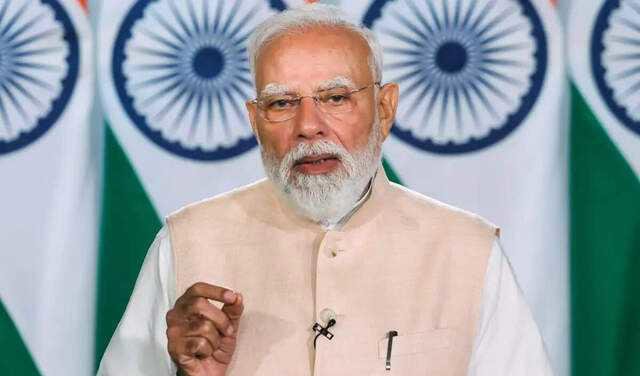
Prime Minister Narendra Modi’s two-day visit to West Bengal has drawn significant attention, with a strong focus on development initiatives, infrastructure expansion, public welfare programmes, and economic growth. The visit is being viewed as an important engagement between the Centre and one of India’s most economically and culturally significant states.
During the visit, the Prime Minister participated in a series of official programmes, reviewed development initiatives, interacted with citizens, and highlighted the Centre’s commitment to accelerating growth across West Bengal. The visit also provided an opportunity to assess the progress of various flagship projects and discuss future development priorities.
Political observers and development experts noted that the Prime Minister’s visit comes at a time when infrastructure development, industrial investment, employment generation, and connectivity improvements are receiving increasing attention in the state. The programmes organized during the visit reflected a broader emphasis on inclusive growth and long-term economic transformation.
The visit attracted participation from government officials, public representatives, industry stakeholders, and citizens from different parts of West Bengal, underscoring its significance in the state’s development landscape.
Focus on Infrastructure Development
One of the central themes of the Prime Minister’s visit was infrastructure development. Over the years, West Bengal has witnessed investments in transportation networks, railway projects, road infrastructure, ports, and urban development initiatives aimed at improving connectivity and supporting economic activity.
During various engagements, emphasis was placed on the importance of modern infrastructure in driving growth and creating opportunities. Improved connectivity enables businesses to expand, facilitates trade, and improves access to essential services for citizens.
Officials highlighted that infrastructure projects have the potential to generate employment, attract investment, and strengthen regional development. The Prime Minister reiterated the importance of completing ongoing projects on time and ensuring that infrastructure investments deliver long-term benefits.
The focus on infrastructure aligns with broader national efforts to improve logistics, reduce transportation costs, and strengthen economic competitiveness across different regions of the country.
Strengthening Economic Growth and Investment
Economic development formed another important aspect of the Prime Minister’s visit. West Bengal remains one of India’s major economic centers, with strengths in manufacturing, services, agriculture, trade, and cultural industries.
The Prime Minister emphasized the need to create a favorable environment for investment and entrepreneurship. He highlighted the role of public infrastructure, policy support, and innovation in driving economic growth and creating employment opportunities.
Government officials noted that investment promotion remains a key priority, particularly in sectors such as manufacturing, information technology, logistics, tourism, renewable energy, and small-scale industries.
The visit also reinforced the message that economic growth should be inclusive and should benefit communities across urban and rural areas alike. Increased investments are expected to contribute to higher incomes, job creation, and improved living standards.
Welfare Initiatives and Public Services
The Prime Minister’s engagements also focused on welfare programmes aimed at improving the quality of life for citizens. Various central schemes related to housing, healthcare, sanitation, rural development, and financial inclusion have been implemented across West Bengal over the years.
Officials emphasized that development is not limited to infrastructure alone. Improving access to essential services remains equally important for achieving inclusive growth. Welfare programmes play a crucial role in supporting vulnerable sections of society and ensuring that the benefits of development reach every household.
The Prime Minister highlighted the importance of efficient implementation and effective delivery of public services. He stressed that government programmes should produce measurable improvements in people’s lives and contribute to long-term social progress.
The discussions during the visit reflected a continued focus on citizen-centric governance and public welfare.
Connectivity and Transportation Receive Attention
Connectivity remains a critical component of West Bengal’s development strategy. The state serves as an important gateway to Northeast India and also plays a significant role in regional and international trade.
The Prime Minister emphasized the importance of strengthening transportation infrastructure, including roads, railways, airports, and ports. Better connectivity can facilitate economic activity, improve mobility, and support tourism growth.
Officials noted that transportation projects help connect remote areas with major economic centers, creating opportunities for businesses and local communities. Improved connectivity also contributes to faster movement of goods and services, enhancing overall productivity.
The Prime Minister’s visit highlighted the strategic importance of West Bengal’s transportation network in supporting both state and national development objectives.
Importance of West Bengal in India’s Growth Story
Throughout the visit, emphasis was placed on West Bengal’s historical and economic importance. The state has long played a major role in India’s industrial, cultural, educational, and commercial development.
The Prime Minister acknowledged the state’s contributions to the nation’s progress and highlighted its potential to play an even greater role in the future. With its strategic location, skilled workforce, and strong industrial base, West Bengal remains a key contributor to India’s economic growth.
Government representatives pointed out that the state’s ports, transportation networks, and business ecosystem provide significant advantages for investment and trade. Continued development efforts are expected to further strengthen these advantages.
The visit served as a reminder of West Bengal’s importance within India’s broader development vision.
Boosting Employment and Opportunities for Youth
Employment generation was another major theme during the Prime Minister’s engagements. Creating opportunities for young people remains a key priority for both state and national development.
The Prime Minister emphasized the importance of skill development, entrepreneurship, and innovation in preparing youth for future opportunities. Investments in education, technology, and infrastructure can help create an environment that supports economic participation and career growth.
Officials noted that sectors such as manufacturing, digital services, tourism, logistics, and startups have the potential to generate substantial employment opportunities. Government programmes aimed at promoting entrepreneurship and skill development were also highlighted during discussions.
The focus on youth reflects a broader effort to ensure that economic growth translates into meaningful opportunities for the next generation.
Enhancing Centre-State Development Cooperation
The visit also underscored the importance of cooperation between the Centre and states in implementing development initiatives. Large-scale infrastructure projects, welfare programmes, and economic reforms often require close coordination among multiple levels of government.
Officials stated that collaborative efforts are essential for ensuring the successful implementation of development programmes. Effective coordination can improve efficiency, reduce delays, and maximize the impact of public investments.
The Prime Minister reiterated the Centre’s commitment to supporting development initiatives across West Bengal and ensuring that projects receive the necessary policy and institutional backing.
Such cooperation is viewed as critical for achieving long-term growth and addressing developmental challenges effectively.
Public Outreach and Citizen Engagement
A notable aspect of the visit was the Prime Minister’s engagement with citizens and various stakeholder groups. Public interactions provided an opportunity to communicate government priorities and highlight ongoing development efforts.
These engagements also reflected the importance of citizen participation in the development process. Public support and community involvement often play a crucial role in ensuring the success of government programmes.
Officials noted that direct interaction with citizens helps strengthen accountability and allows leaders to better understand local concerns and aspirations. Such engagements remain an important component of democratic governance.
The Prime Minister’s visit generated considerable public interest and attracted participation from diverse sections of society.
A Visit with Long-Term Development Significance
Prime Minister Narendra Modi’s two-day visit to West Bengal carried significance beyond ceremonial engagements and official events. The visit highlighted key themes such as infrastructure development, economic growth, welfare delivery, connectivity, employment generation, and cooperative governance.
By focusing on both development priorities and public engagement, the visit reinforced the Centre’s broader vision of inclusive growth and regional development. It also underscored West Bengal’s strategic importance in India’s economic and developmental landscape.
As the state continues to pursue growth and modernization, the initiatives discussed during the visit are expected to contribute to improved infrastructure, stronger economic opportunities, and better public services. The visit serves as a reminder of the crucial role that coordinated development efforts can play in shaping a more prosperous future for West Bengal and its people.