


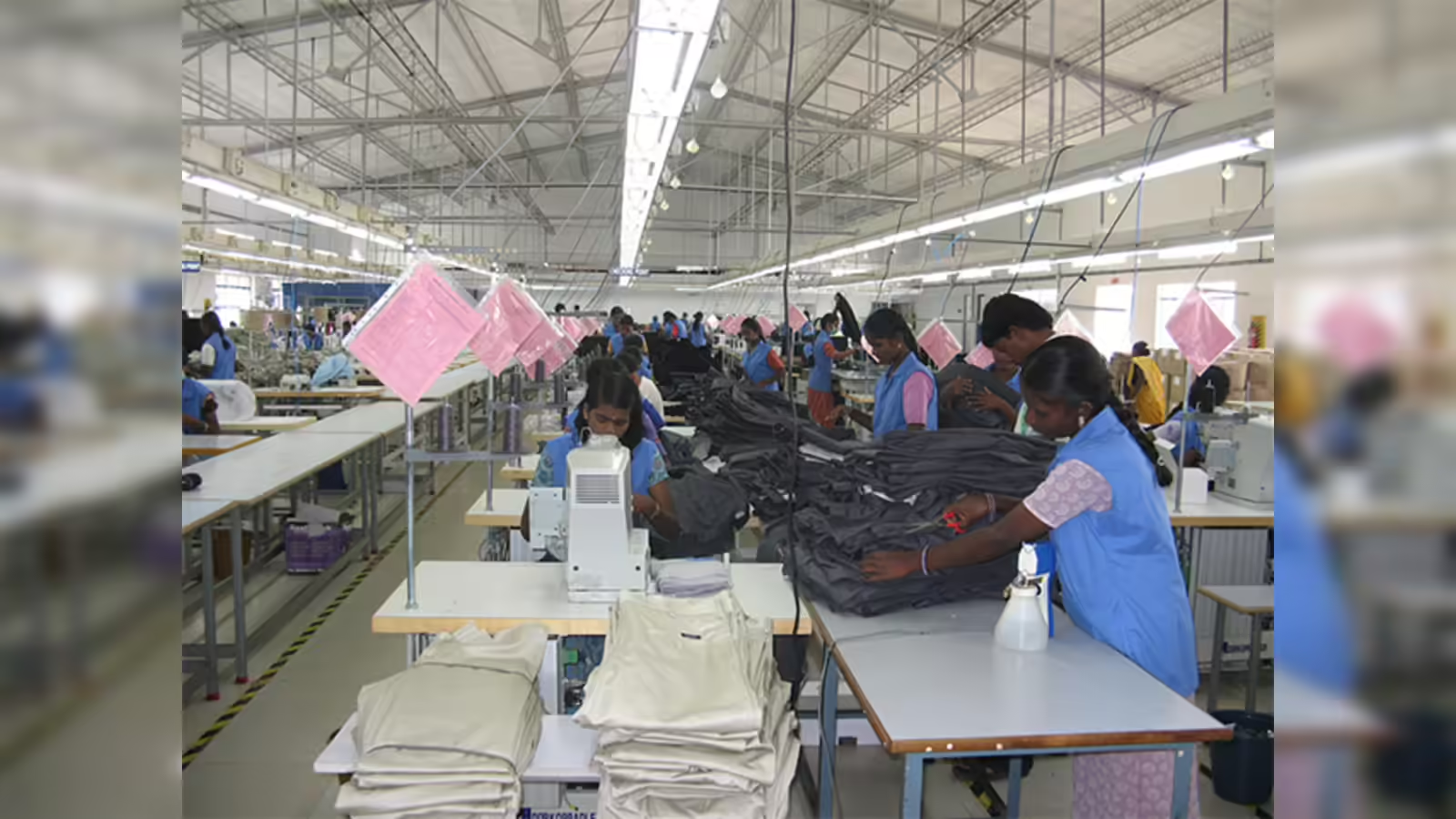
West Bengal textile manufacturing achieved a major milestone after the state reportedly secured the top position in India’s national manufacturing index for medium-scale textile industries. The industrial achievement highlights growing production capacity, expanding investment activity, and rising employment generation across textile clusters in West Bengal. Meanwhile, industry officials stated that the sector’s strong performance could strengthen the state’s position as a leading textile production hub in eastern India.
Sundarbans Climate Resilience Project Gains Global Funding
Darjeeling Tea Estates Deploy AI For Climate Protection
Textile Industry Records Strong Manufacturing Growth
Authorities confirmed that medium-scale textile production units across West Bengal recorded substantial industrial growth during the latest manufacturing assessment period. Additionally, officials explained that rising output levels, improved operational efficiency, and increasing domestic demand contributed to the sector’s strong performance.
The manufacturing expansion reportedly includes weaving, garment production, fabric processing, and textile finishing industries operating in multiple industrial districts. Consequently, medium-scale enterprises may continue expanding production capacity and workforce recruitment over the coming months. Earlier, several textile businesses faced operational disruptions caused by fluctuating raw material costs and supply chain instability.
Officials from the Ministry of Textiles stated that West Bengal’s textile sector has demonstrated consistent industrial resilience and production growth. Furthermore, authorities indicated that policy support and infrastructure improvements helped strengthen manufacturing competitiveness within the state.
Industrial Clusters Continue Expanding Operations
Senior representatives from textile industry associations and manufacturing groups attended sector review meetings linked to the latest industrial rankings. Meanwhile, officials highlighted rising commercial activity across textile production zones in cities including Kolkata and other industrial districts.
Authorities explained that medium-scale textile enterprises play an important role in supporting employment and export-oriented manufacturing activity. Specifically, production units involved in cotton fabrics, synthetic textiles, and ready-made garments have reportedly expanded operations significantly. In addition, economic analysts believe stronger domestic retail demand has supported industrial recovery and growth.
Several textile business operators welcomed the national ranking because improved industry visibility may attract further investment into West Bengal’s manufacturing sector. However, industrial experts emphasized the need for continued modernization and technology adoption to maintain long-term competitiveness. Despite this, officials confirmed that modernization initiatives remain under active implementation.
Employment Generation Increases Across Sector
The West Bengal textile manufacturing sector reportedly generated thousands of direct and indirect employment opportunities during the recent industrial expansion phase. Additionally, authorities stated that workforce demand increased across garment production, logistics, packaging, and textile processing operations.
Industry representatives explained that medium-scale manufacturing units often provide large-scale employment in urban and semi-urban districts. As a result, expanding textile operations may improve income opportunities for skilled and semi-skilled workers throughout the state. Furthermore, officials introduced workforce training programs involving industrial sewing, machine operation, and quality control systems.
Labour economists noted that textile manufacturing remains one of India’s most employment-intensive industrial sectors. Therefore, sustained growth in West Bengal’s textile industry may support broader economic stability and workforce participation.
Meanwhile, local training institutes reportedly expanded vocational education programs linked to textile production and apparel manufacturing. Authorities also stated that women workers continue playing a major role in garment and fabric processing industries across the state.
Export And Domestic Market Demand Strengthens
Officials confirmed that strong domestic retail demand and rising export activity contributed significantly to the sector’s manufacturing growth. Additionally, textile exporters reported increasing commercial orders involving garments, fabrics, and processed textile materials from national and international buyers.
The West Bengal textile manufacturing industry also benefited from improved logistics systems and expanding supply chain connectivity. Consequently, producers may gain faster market access and improved distribution efficiency across major commercial centers. Furthermore, trade analysts observed growing interest in affordable and mid-range textile products manufactured by medium-scale enterprises.
Several business organizations stated that export-oriented textile production may strengthen long-term industrial growth within the state. In addition, commercial experts highlighted opportunities involving technical textiles, sustainable fabrics, and value-added garment manufacturing.
Earlier, authorities launched industrial support programs involving export promotion, financial assistance, and infrastructure modernization for manufacturing enterprises. At the same time, policymakers encouraged investment in industrial parks and textile production clusters.
Technology And Infrastructure Investments Accelerate
Authorities indicated that many textile manufacturers have introduced automated machinery, digital inventory systems, and energy-efficient production technologies. Additionally, industry leaders emphasized the importance of modernization for improving manufacturing productivity and operational quality.
The West Bengal textile manufacturing sector reportedly witnessed rising investment in industrial infrastructure and factory upgrades during recent years. Consequently, several production facilities may continue adopting advanced weaving systems and automated garment production lines. Furthermore, authorities stated that industrial estates and logistics infrastructure remain under continuous expansion.
Technology experts noted that automation and digital management systems increasingly influence global textile manufacturing competitiveness. Therefore, medium-scale enterprises in West Bengal may prioritize modernization strategies to strengthen long-term market positioning.
Meanwhile, environmental researchers encouraged manufacturers to adopt sustainable production systems involving water conservation and cleaner industrial practices. However, industry groups requested continued financial support for technology upgrades and modernization investments.
Rural And Small Town Economies Receive Support
Officials explained that textile manufacturing activity significantly influences economic conditions in smaller towns and semi-urban industrial zones across West Bengal. Additionally, local businesses linked to transportation, packaging, and raw material supply reportedly benefited from rising industrial production.
The sector’s growth also strengthened commercial opportunities for small suppliers and ancillary manufacturing units connected to textile operations. As a result, broader economic activity may continue expanding in regions supporting textile production networks. Furthermore, authorities highlighted the importance of medium-scale industries in balancing regional economic development.
Several economic analysts observed that industrial diversification remains important for sustaining long-term employment growth within the state. In addition, development planners stated that manufacturing expansion could encourage future infrastructure investment in emerging industrial districts.
Meanwhile, community organizations welcomed rising employment opportunities generated through textile manufacturing activity. Authorities also indicated that future policy measures may focus on supporting industrial sustainability and export competitiveness.
Future Industrial Expansion Plans Continue
Government officials confirmed that additional textile infrastructure and manufacturing proposals remain under consideration across West Bengal. Specifically, authorities continue evaluating industrial expansion plans involving garment parks, export hubs, and integrated textile production facilities.
Experts believe textile manufacturing will remain central to India’s industrial and employment strategies over the coming years. Moreover, expanding production capacity may strengthen West Bengal’s role within national and international textile supply chains.
The West Bengal textile manufacturing achievement represents a major industrial milestone for the state’s medium-scale manufacturing sector. Ultimately, officials expect continued growth in production, employment, and investment activity across the textile industry.
FAQs
What is the recent achievement in West Bengal’s textile sector?
West Bengal reportedly topped India’s manufacturing index for medium-scale textile industries.
Which industries contributed to the growth?
Garment manufacturing, weaving, fabric processing, and textile finishing units contributed significantly to industrial expansion.
Which organization monitors textile sector development?
The Ministry of Textiles supports industrial policies and textile sector growth initiatives.
How may workers benefit from textile industry growth?
The sector may generate employment opportunities across manufacturing, logistics, packaging, and textile processing operations.
Why is technology important for textile manufacturing?
Automation and digital systems improve production efficiency, quality control, and industrial competitiveness.
What does West Bengal textile manufacturing growth mean for the economy?
West Bengal textile manufacturing expansion may strengthen industrial output, employment generation, and export competitiveness across the state.