

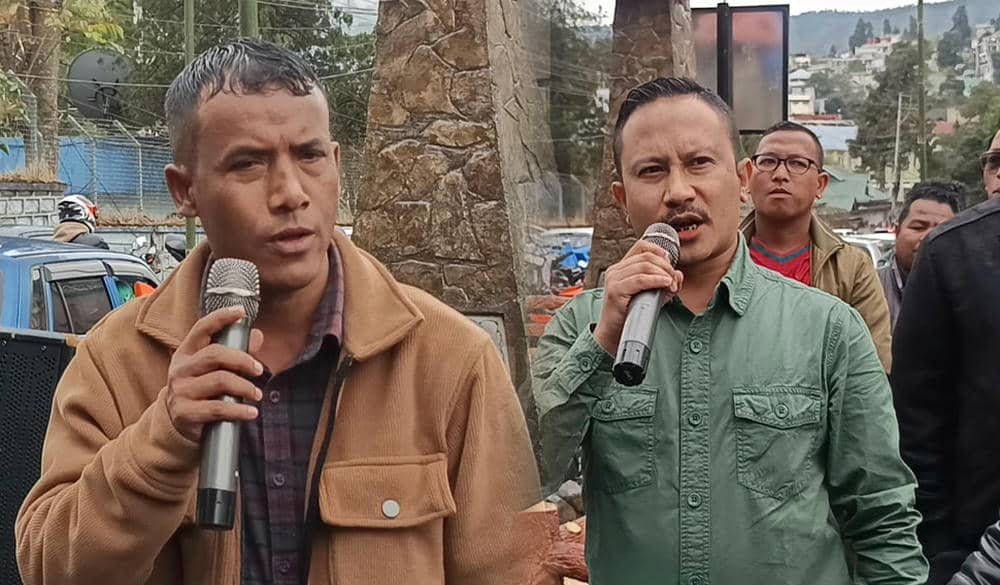
Meghalaya Vande Mataram row has escalated after the Khasi Students’ Union (KSU) threatened protests over the use of the full version of “Vande Mataram” in Meghalaya. Moreover, the issue has sparked debate on cultural sensitivity and public policy. As a result, authorities are closely monitoring the situation.
Aizawl Civic Polls Campaign Heats Up: Parties Intensify Battle
KSU Raises Objections
The Meghalaya Vande Mataram row began after the Khasi Students’ Union voiced concerns regarding the full rendition of “Vande Mataram”. In particular, the union stated that certain sections of the song may not align with the sentiments of all communities in the state.
Furthermore, KSU has warned of protests if their concerns are not addressed. Consequently, the issue has gained widespread attention.
Debate Over Cultural Sensitivity
The Meghalaya Vande Mataram row has triggered a broader discussion on cultural and regional sensitivities. Meanwhile, different groups have expressed varying opinions on the matter.
Additionally, some believe that the full version of “Vande Mataram” should be respected as a national symbol. However, others argue for a more inclusive approach that considers diverse cultural perspectives. As a result, the debate continues.
Champhai Drug Seizure Rs 23 Crore: Major Crackdown Sparks Alarm
Political and Public Reactions
The Meghalaya Vande Mataram row has also drawn reactions from political leaders and civil society groups. Moreover, some leaders have called for dialogue to resolve the issue peacefully.
In addition, public opinion remains divided, reflecting the complexity of the matter. Therefore, authorities are expected to handle the situation with caution.
Possibility of Protests
The threat of protests by the Khasi Students’ Union has added urgency to the Meghalaya Vande Mataram row. Meanwhile, security agencies are preparing to maintain law and order in case demonstrations take place.
Furthermore, efforts may be made to engage with stakeholders to prevent escalation. Consequently, the coming days will be crucial.
Need for Dialogue and Resolution
The Meghalaya Vande Mataram row highlights the importance of dialogue in resolving sensitive issues. Moreover, open discussions between authorities and community groups can help find a balanced solution.
In addition, respecting cultural diversity while upholding national values remains a key challenge. Therefore, constructive engagement is essential.
Pradip Sarkar Abhayapuri Campaign: Justice for Zubeen Garg
Historical Context of Vande Mataram Debate
The Meghalaya Vande Mataram row is not an isolated incident but part of a broader historical debate surrounding “Vande Mataram”. Originally composed during India’s freedom movement, the song has long been regarded as a symbol of patriotism. However, over the years, certain verses have sparked discussions about inclusivity and cultural interpretation.
Moreover, different regions of India have responded differently to the song based on local traditions and beliefs. As a result, debates around its full version have periodically emerged in various states, including Meghalaya.
Legal and Policy Perspective
From a legal standpoint, the Meghalaya Vande Mataram row raises questions about guidelines related to national symbols. While “Vande Mataram” holds an important place in India’s history, there is no uniform mandate requiring the full version to be sung in all public settings.
Furthermore, courts in India have, in past cases, emphasized the importance of respecting individual freedoms alongside national values. Consequently, authorities often adopt a balanced approach, ensuring that policies do not impose practices that may lead to public discomfort or conflict.
Role of Student Organizations
The involvement of the Khasi Students’ Union in the Meghalaya Vande Mataram row highlights the influence of student bodies in regional politics. Meanwhile, such organizations often act as strong voices representing local sentiments and cultural concerns.
Additionally, their ability to mobilize public opinion makes them significant stakeholders in policy discussions. As a result, government authorities usually engage with these groups to prevent escalation and maintain social harmony.
Possible Political Implications
The Meghalaya Vande Mataram row could also carry political implications. On one hand, it may influence voter sentiment by bringing cultural identity issues to the forefront. On the other hand, it could prompt political parties to take clear positions on sensitive matters.
Moreover, such issues often shape public discourse during elections or policy debates. Therefore, how leaders respond to the situation may impact their public perception in Meghalaya.
Way Forward
Looking ahead, resolving the Meghalaya Vande Mataram row will require careful handling and open dialogue. Meanwhile, finding a middle ground that respects both national sentiment and regional diversity is essential.
Furthermore, inclusive decision-making and transparent communication can help ease tensions. As a result, a balanced approach may prevent further escalation and ensure peaceful resolution.
Conclusion
The Meghalaya Vande Mataram row underscores the complexities of cultural and political issues in Meghalaya. Overall, with the Khasi Students’ Union threatening protests, a balanced and peaceful resolution will be crucial.