


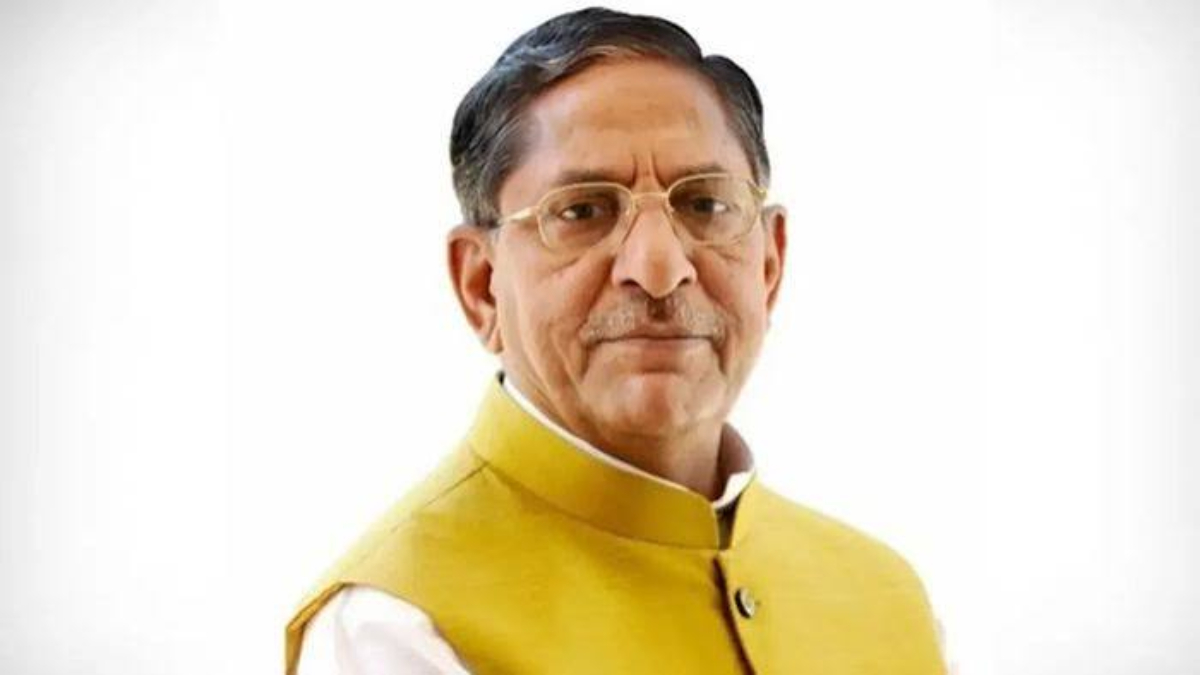
Nagaland ex-servicemen welfare has received renewed attention after Governor Nand Kishore Yadav called for stronger, more responsive and compassionate support for veterans, war widows and their families. He made the remarks at the 24th Annual General Meeting of the Rajya Sainik Board (RSB), Nagaland, held at Lok Bhavan in Kohima on August 31.
The meeting reviewed welfare, rehabilitation and resettlement measures for ex-servicemen, Veer Naris, widows and their dependents. It brought together senior representatives of the Nagaland government, Armed Forces, Kendriya Sainik Board, Rajya Sainik Board and the veteran community.
Governor stresses stronger Nagaland ex-servicemen welfare
Yadav, who is also the president of the Rajya Sainik Board, said the annual meeting was more than a review of welfare schemes. He described it as a reaffirmation of the nation’s commitment to honour and support those who have served the country.
The Governor said the responsibility towards soldiers should not end with active service. Veterans should receive a smooth, dignified and secure transition into civilian life after retirement.
He also stressed that ex-servicemen should not be viewed only as beneficiaries of welfare programmes. Their discipline, leadership, courage, experience and resilience can continue to benefit society and contribute to the development of the state.
Yadav called for focused attention to healthcare, education, employment, financial assistance and other welfare benefits. He also urged authorities to ensure that support reaches veterans and their families promptly and effectively.
Focus on war widows and families
The Governor gave special attention to Veer Naris, Veer Matas and families of fallen soldiers. He said their sacrifices carry lifelong emotional and personal costs and therefore require sustained care and support.
The meeting also discussed the need to strengthen coordination between the Rajya Sainik Board, Zila Sainik Boards, district administrations, government departments, military authorities and ex-servicemen associations. Such coordination is considered important for ensuring that welfare measures reach beneficiaries at the grassroots level.
Yadav further called for greater attention to elderly veterans and families living in remote areas. He advocated wider use of technology and effective grievance mechanisms to improve access, transparency and timely delivery of services.
Key welfare issues discussed
Several specific issues were discussed during the meeting. These included strengthening the Rajya Sainik Board Corpus Fund to meet the growing needs of veterans and their families.
The meeting also considered the implementation of the reservation policy for ex-servicemen in state government employment. Chief Secretary Sentiyanger Imchen highlighted the need to improve implementation of the 5% reservation for ex-servicemen in Group C and D posts. The policy has been in place since 1994 but has faced implementation bottlenecks in government departments.
Other issues included enhanced assistance for surviving World War II veterans, revised benefits for gallantry awardees and increased ex-gratia assistance. The establishment of Zila Sainik Boards in Mon and Tuensang was also discussed.
The meeting also examined manpower shortages in Sainik Welfare offices and problems related to hospital empanelment under the Ex-Servicemen Contributory Health Scheme. The lack of empanelled private hospitals in Nagaland has created difficulties for veterans seeking specialised medical treatment.
Rio highlights morale and post-retirement support
Chief Minister Neiphiu Rio said national security and defence remain important for development and public welfare. He noted that modern equipment and technology are essential, but the morale and commitment of defence personnel are equally important.
Rio stressed that ensuring welfare after retirement is one way to strengthen the morale of serving personnel. He also pointed to the skills and experience of ex-servicemen as valuable assets for society.
The Chief Minister called for timely access to pensions and welfare benefits, healthcare, education, employment and self-employment opportunities. He also emphasised effective grievance redressal for veterans and their families.
Building a stronger support system
The discussions at the Rajya Sainik Board meeting underline the need for a welfare system that responds to the changing requirements of veterans. Healthcare, employment, financial security, education and digital access are increasingly important areas of support.
The proposed strengthening of the Corpus Fund, better implementation of employment reservations and improved healthcare access could help address some of the long-standing concerns faced by the veteran community.
The focus on district-level institutions and coordination with veterans’ organisations is also significant. Stronger local mechanisms can help identify problems earlier and make government assistance more accessible, particularly for elderly veterans and families in remote parts of Nagaland.
For the state government and the Rajya Sainik Board, the challenge now is to translate the commitments discussed at the annual meeting into timely and effective action. Sustained support for veterans, war widows and dependents can ensure that those who served the country continue to receive dignity, security and recognition after their service ends.