

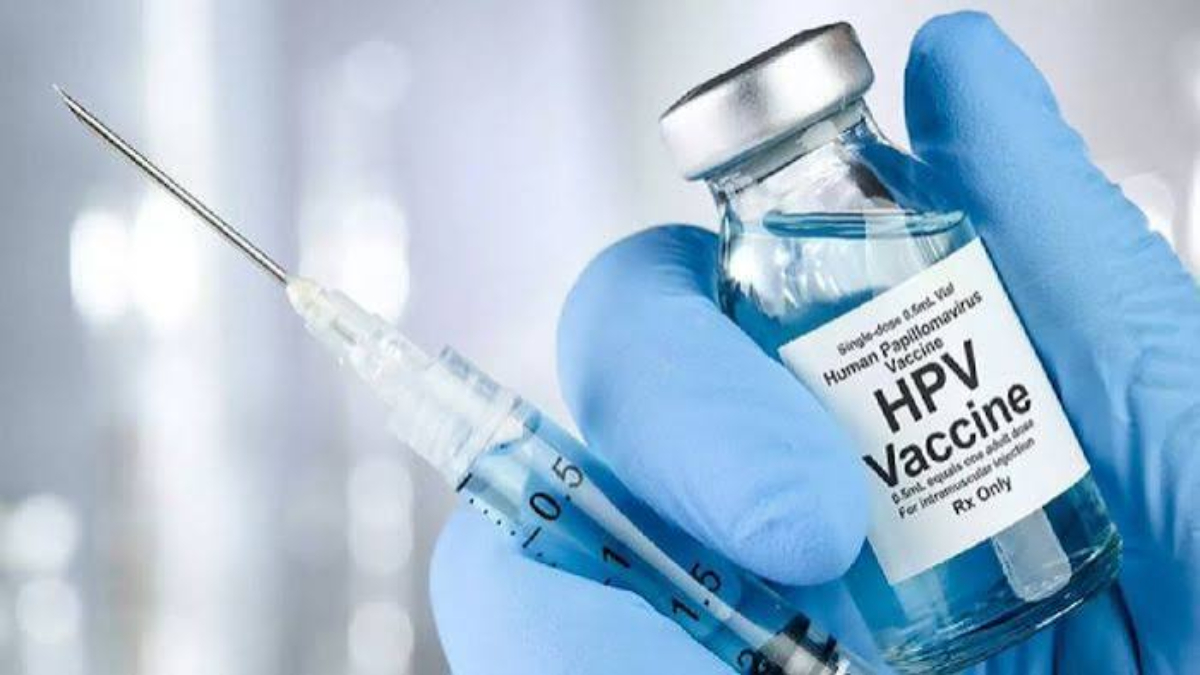
HPV vaccination awareness is receiving a fresh push in Nagaland with the launch of Teeka Talk, a statewide initiative aimed at helping adolescent girls, parents and communities understand the benefits of vaccination and cervical cancer prevention. The Department of Health and Family Welfare launched the programme in Kohima on September 17 in collaboration with Girl Effect India.
The initiative comes months after Nagaland joined the national rollout of the Human Papillomavirus vaccine for 14-year-old girls. The new awareness campaign focuses on providing reliable information and addressing questions that families may have about the vaccine.
Nagaland expands HPV vaccination awareness
The launch took place during a state-level meeting at the Directorate of Health and Family Welfare in Kohima. More than 60 representatives from the Health, Education and Women and Child Development departments attended the meeting.
Principal Director of Health and Family Welfare Dr Keveduyi Theyo said coordinated action would be important to ensure adolescent girls and their families receive accurate and trusted information. The effort will involve schools, communities and frontline health workers.
State Immunisation Officer Dr Imkongtemsu Longchar highlighted cervical cancer as an important public health concern. He said vaccination provides an opportunity to prevent HPV infections that cause most cervical cancers and encouraged parents and caregivers to support eligible girls in receiving the vaccine at the recommended age.
Free HPV vaccination for 14-year-old girls
Nagaland is providing the vaccine free of cost to eligible 14-year-old girls through government health facilities. The state began implementing the national programme following its launch on February 28, 2026.
The state-level launch in Kohima was conducted alongside the national rollout. Officials said the programme initially targeted girls aged 14 years and provided a single dose of the Gardasil-4 vaccine through government facilities.
Several districts subsequently began their own vaccination drives. Mokokchung, Longleng and Peren launched programmes on March 2, while Mon, Phek, Tuensang and Wokha were among districts that began the drive around the national launch.
The state has continued outreach during the year. In August, the Zunheboto district administration issued a circular encouraging eligible girls to take part in the vaccination campaign. The district specified that beneficiaries should have already turned 14 but not yet turned 15 at the time of vaccination.
Teeka Talk targets families and communities
The latest awareness programme seeks to complement vaccination services by improving access to understandable health information. Girl Effect India said Teeka Talk will use schools, community engagement, parent outreach and digital platforms to answer common questions about the vaccine and cervical cancer.
A key feature is a WhatsApp-based chatbot that provides information on HPV vaccination and cervical cancer. The approach is intended to make credible information easier for adolescents and parents to access without relying on informal or potentially inaccurate sources.
The initiative also recognises the geographical and social diversity of Nagaland. Officials and programme representatives discussed the need to use accessible formats and languages while reaching communities spread across different districts.
Coordinated outreach remains a priority
Discussions at the launch included perspectives from Kohima and Dimapur, while officials explored ways to strengthen cooperation among the Health, Education and WCD departments.
The next phase of Teeka Talk will focus on coordinated implementation across districts, with particular attention to schools, parents and community groups. Frontline workers are also expected to play an important role in connecting families with accurate information and available vaccination services.
The broader public health goal is prevention. HPV infection is linked to most cervical cancer cases, making adolescent vaccination an important part of long-term cervical cancer prevention. Nagaland’s health authorities are therefore combining vaccine access with communication efforts designed to build awareness and informed decision-making.
With HPV vaccination already available free to eligible girls through government facilities, the new campaign seeks to close the information gap that can influence whether families use the service. By bringing health officials, schools, communities and parents into the same outreach effort, Nagaland is expanding its approach from vaccine delivery.
Vaishnaw Outlines Semicon 2.0 Roadmap as India Steps Up Global Chip Push