

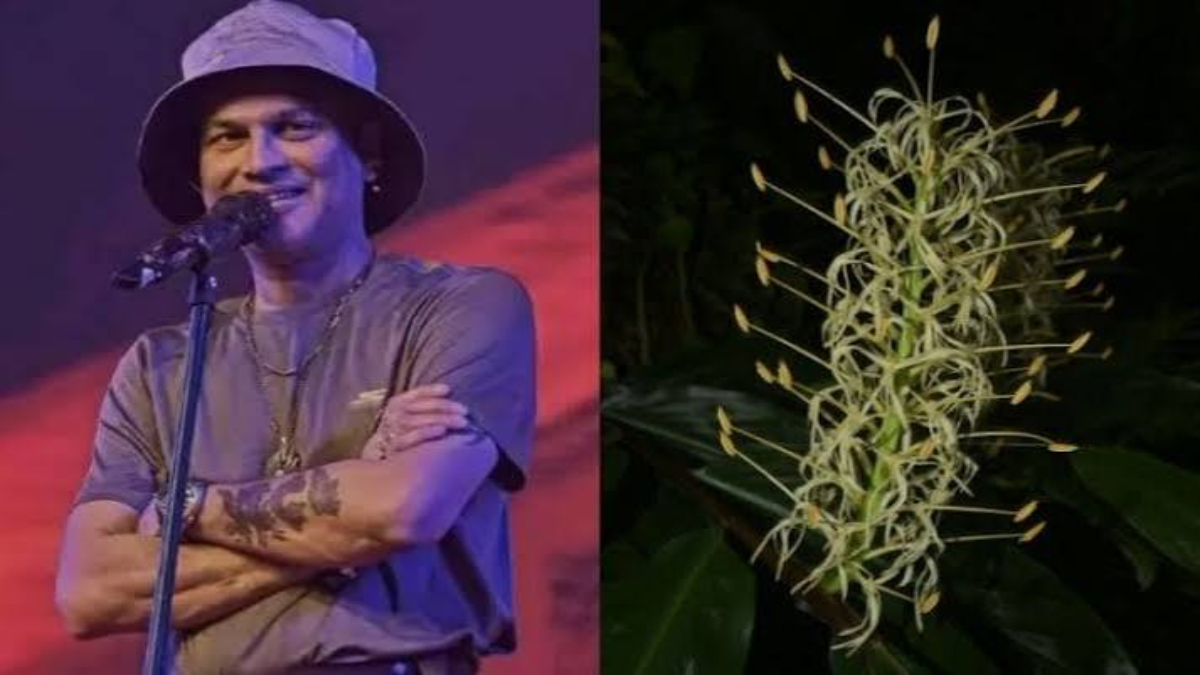
Hedychium zubeengargianum has become a symbol of the unique connection between science, biodiversity, and culture in Assam. In a significant botanical achievement, researchers have identified a new species of ginger lily and named it Hedychium zubeengargianum in honor of celebrated Assamese singer, composer, and cultural icon Zubeen Garg. The discovery highlights the rich floral diversity of Northeast India while recognizing Garg’s immense contribution to Assamese heritage.
The naming of the newly discovered plant has generated excitement among botanists, conservationists, and fans alike. It reflects a growing trend of acknowledging influential personalities through scientific discoveries while drawing attention to the importance of preserving the region’s biodiversity.
What is Hedychium zubeengargianum?
Hedychium zubeengargianum is a newly identified species belonging to the Hedychium genus, commonly known as ginger lilies. Members of this genus are admired for their fragrant flowers and ornamental value. They are also ecologically significant, contributing to the rich plant diversity found in tropical and subtropical forests.
The new species was discovered by a team of botanists during extensive field surveys in Assam. After conducting detailed morphological studies and comparing the specimen with known species, researchers confirmed that it represented a previously undocumented member of the ginger lily family.
The scientific description has now been published, officially recognizing Hedychium zubeengargianum as a distinct species.
Why the species was named after Zubeen Garg
The decision to name the plant after Zubeen Garg celebrates the artist’s extraordinary influence on Assamese music, cinema, and culture. Over the years, Garg has emerged as one of the most recognizable cultural ambassadors of Assam, earning admiration for his work across multiple Indian languages.
By naming the species Hedychium zubeengargianum, the researchers sought to honor an individual whose contributions have helped promote Assam’s cultural identity on national and international platforms.
Scientists often dedicate newly discovered species to personalities who have made meaningful contributions to society, arts, science, or conservation. In this case, the tribute acknowledges the lasting impact of Zubeen Garg on generations of Assamese people.
Hedychium zubeengargianum highlights Assam’s biodiversity
Assam is globally recognized as one of India’s biodiversity hotspots, home to diverse forests, wetlands, and mountain ecosystems. The discovery of Hedychium zubeengargianum further reinforces the state’s importance as a center for botanical research.
The Northeast region continues to yield new discoveries because many of its remote forested areas remain scientifically underexplored. Researchers believe that numerous undiscovered plant species may still exist in these habitats.
The finding also underlines the need for stronger conservation measures to protect fragile ecosystems from habitat loss, climate change, and human activities.
Distinct features of the new ginger lily
Although closely related to other ginger lilies, Hedychium zubeengargianum possesses unique botanical characteristics that distinguish it from previously documented species. Researchers identified differences in floral structure, leaf arrangement, and reproductive features during their taxonomic examination.
Such detailed scientific analysis is essential before a plant can be officially classified as a new species. The discovery adds another valuable member to the growing list of Hedychium species found across the Himalayan and Northeastern regions.
Importance for botanical research
The identification of new plant species contributes significantly to botanical science. Every discovery improves scientists’ understanding of plant evolution, ecosystem diversity, and species relationships.
Researchers note that documenting species like Hedychium zubeengargianum is especially important because undiscovered plants could possess ecological, horticultural, or even medicinal value. Accurate documentation also helps conservation agencies prioritize habitats requiring immediate protection.
The discovery showcases the continued importance of field-based botanical surveys and collaboration among taxonomists working in biodiversity-rich regions.
Public response to the announcement
The announcement has been warmly received across Assam. Admirers of Zubeen Garg welcomed the recognition, describing it as a fitting tribute to one of the state’s most beloved cultural figures.
The scientific community has also praised the discovery as another milestone highlighting Northeast India’s exceptional plant diversity. The unique combination of scientific achievement and cultural recognition has attracted widespread public interest, encouraging greater awareness of both biodiversity conservation and botanical research.
Many observers believe such recognitions inspire younger generations to appreciate science while remaining connected to their cultural roots.
A proud moment for Assam
The discovery of Hedychium zubeengargianum represents far more than the identification of a new flowering plant. It symbolizes the meeting of nature, science, and culture in one meaningful achievement.
As researchers continue exploring Assam’s forests, more remarkable discoveries are expected to emerge from the region. At the same time, naming the species after Zubeen Garg ensures that the legendary artist’s legacy will now extend beyond music into the world of scientific history. The recognition not only celebrates Assam’s extraordinary biodiversity but also honors an individual whose work has shaped the state’s cultural identity for decades.