

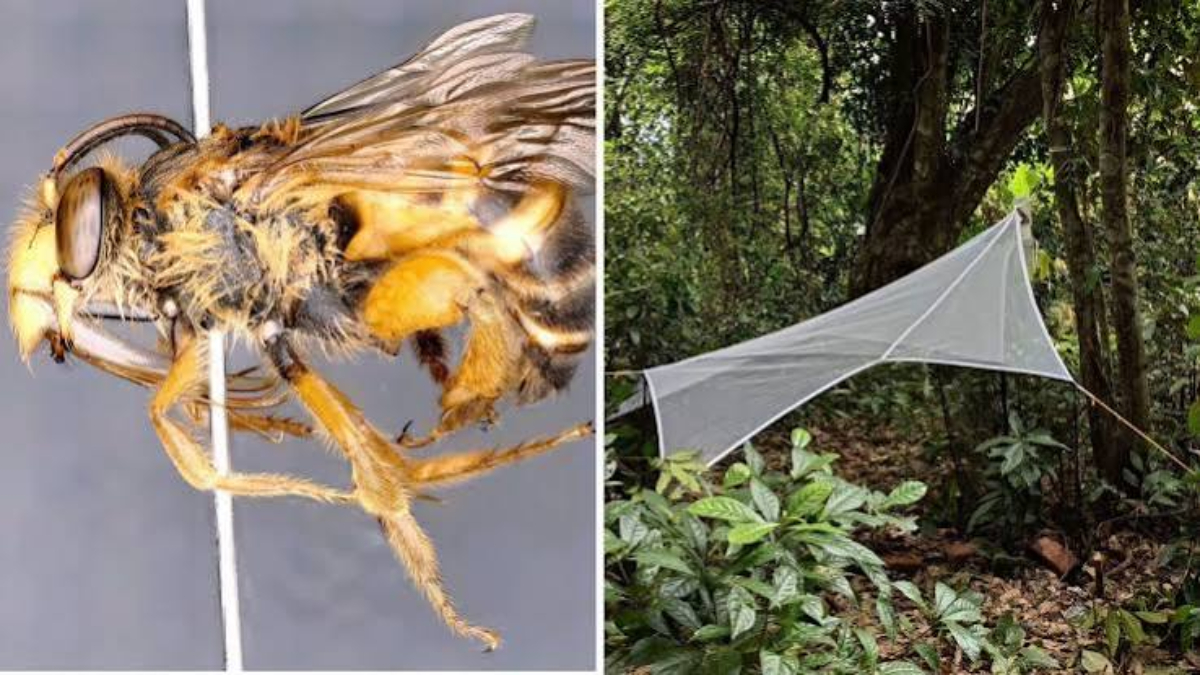
Siang Valley solitary bee species have drawn the attention of scientists after researchers discovered two previously unknown solitary bee species in Arunachal Pradesh’s ecologically rich Siang Valley. The significant finding highlights the extraordinary biodiversity of the Eastern Himalayas and reinforces the region’s importance as a global hotspot for scientific research and conservation. The newly identified species not only expand India’s known bee diversity but also underline the urgent need to protect fragile habitats that support unique pollinators essential for healthy ecosystems.
Scientists Discover Two New Bee Species in Siang Valley
Researchers recently identified two new species of solitary bees during biodiversity surveys conducted in the Siang Valley of Arunachal Pradesh. The discovery was made by a team of entomologists studying the region’s rich insect diversity. Unlike honeybees, solitary bees do not live in colonies or produce honey. Instead, each female independently builds and maintains her own nest while playing a crucial role in pollinating wild plants and agricultural crops.
The two newly described bee species were documented after detailed fieldwork, specimen collection, and taxonomic analysis. Scientists compared their physical characteristics with known bee species before confirming that they represented entirely new additions to science.
The discovery further strengthens Arunachal Pradesh’s reputation as one of India’s most biologically diverse states, where numerous plant and animal species continue to be identified.
Why Siang Valley Solitary Bee Species Matter
The discovery of Siang Valley solitary bee species is important because solitary bees are among the world’s most efficient pollinators. They contribute significantly to maintaining forest ecosystems and supporting agricultural productivity by transferring pollen between flowering plants.
Unlike social bees, solitary bees often specialize in pollinating particular plant species, making them critical for preserving biodiversity. The loss of these insects could affect seed production, forest regeneration, and food security.
Scientists believe that documenting new bee species helps improve understanding of pollinator diversity while providing valuable information for conservation planning.
Siang Valley: A Biodiversity Hotspot
Located in Arunachal Pradesh’s Upper Siang region, the Siang Valley forms part of the Eastern Himalayan biodiversity hotspot, one of the richest ecological landscapes in the world. The valley is home to dense forests, alpine ecosystems, rare orchids, medicinal plants, mammals, birds, butterflies, and countless insect species.
Its varied climate and relatively undisturbed habitats make it an ideal location for discovering species that remain unknown to science.
Researchers have repeatedly described the Siang Valley as an underexplored region where further biological surveys are likely to uncover additional new species across different groups of flora and fauna.
Extensive Research Confirmed the Discovery
The research team carried out extensive field surveys across multiple habitats in the valley. After collecting bee specimens, they conducted detailed microscopic examinations and compared the insects with existing taxonomic records.
The findings were later validated through scientific analysis before being formally recognized as new species.
Taxonomic discoveries such as these require careful examination of body structures, wing patterns, antennae, coloration, and reproductive characteristics to distinguish new species from closely related relatives.
Experts say such discoveries contribute significantly to India’s growing catalogue of native pollinators.
Importance for Conservation Efforts
The identification of Siang Valley solitary bee species also emphasizes the importance of conserving Arunachal Pradesh’s natural ecosystems. Pollinator populations worldwide are facing increasing threats from habitat destruction, climate change, pesticide use, and land-use changes.
Conservationists believe that protecting intact forest ecosystems like those in the Siang Valley is essential for safeguarding newly discovered species before their ecological roles are fully understood.
Scientists have also stressed that preserving pollinator diversity directly supports sustainable agriculture and long-term ecological stability.
Arunachal Pradesh Continues to Reveal New Species
Arunachal Pradesh has become one of India’s leading regions for biodiversity discoveries. In recent years, researchers have documented several new species of reptiles, amphibians, orchids, butterflies, fish, and insects from different parts of the state.
The latest bee discovery adds to this growing list and demonstrates how much remains scientifically unexplored in the Eastern Himalayas.
Researchers believe continued collaboration between scientific institutions, local communities, and conservation agencies will be vital for documenting and protecting the state’s remarkable natural heritage.
Major Boost: Unakoti Conservation Works Gain Momentum as MP Biplab Deb Welcomes Centre’s Initiative
Growing Need for Biodiversity Documentation
Experts say the discovery of the two new solitary bee species highlights the need for sustained biodiversity research across remote Himalayan regions. Many insect groups remain poorly studied despite their ecological importance.
Improved scientific documentation helps governments and conservation organisations design effective policies for habitat protection while encouraging sustainable development that balances environmental preservation with local livelihoods.
The findings also reinforce India’s contribution to global biodiversity research and showcase the country’s rich natural resources.
Protecting habitats such as the Siang Valley will remain essential as scientists continue uncovering species that have existed unnoticed for centuries. Every new discovery improves understanding of ecosystem health and reminds us that conserving biodiversity is critical not only for wildlife but also for humanity’s future.