


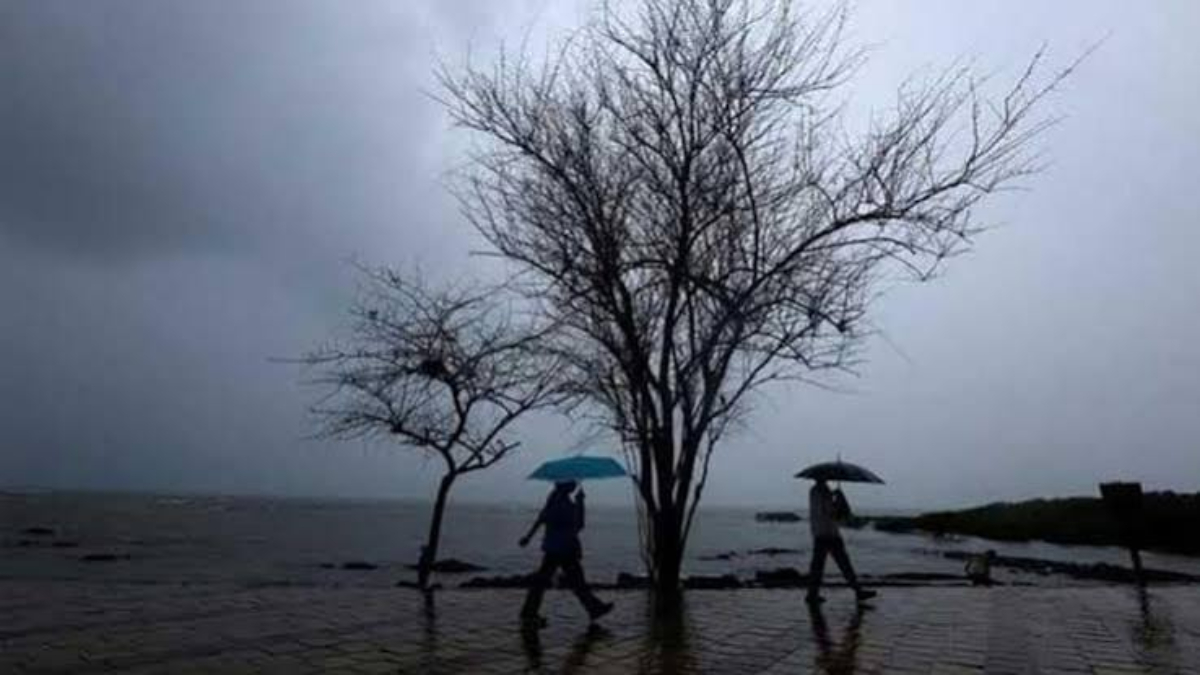
The Tripura monsoon rainfall deficit has emerged as a key weather concern after the Southwest Monsoon officially withdrew from the entire state on October 15, 2026. According to the Meteorological Centre in Agartala, Tripura received 1,160.1 mm of rainfall during the 2026 monsoon season, against its normal seasonal average of 1,391.1 mm. This represents a shortfall of 17 per cent, marking the end of a below-normal rainfall season for the northeastern state.
The withdrawal announcement signals a seasonal transition towards predominantly dry weather across Tripura. The India Meteorological Department (IMD) reported that dry conditions prevailed throughout the state during the 24 hours preceding the announcement.
Southwest Monsoon Withdraws from Tripura
The Meteorological Centre, Agartala, confirmed that the Southwest Monsoon had withdrawn from all parts of Tripura on October 15. The withdrawal occurred close to the state’s usual seasonal schedule.
The date was also similar to the previous year. In 2025, the monsoon withdrew from the entire state on October 14, according to weather department records.
The Southwest Monsoon is a major source of rainfall for Tripura, supporting agriculture, replenishing water resources and influencing local weather conditions during the rainy season. Its withdrawal marks the transition towards the post-monsoon period, when rainfall patterns and atmospheric conditions begin to change.
Although the formal withdrawal indicates the end of the monsoon season, occasional rainfall can still occur depending on subsequent weather systems. Residents are therefore advised to follow official weather bulletins for updates on changing conditions.
Tripura Monsoon Rainfall Deficit Reaches 17 Per Cent
The Tripura monsoon rainfall deficit was reflected in the difference between the state’s actual rainfall and its long-term seasonal average.
According to IMD figures, the state recorded 1,160.1 mm of rainfall during the 2026 monsoon season, compared with the normal level of 1,391.1 mm. This left Tripura with a shortfall of approximately 231 mm.
The figures indicate that the state did not receive enough rainfall to match its usual seasonal benchmark. However, the overall deficit alone does not establish how individual districts or communities were affected, as rainfall distribution can vary considerably across different parts of the state.
The seasonal total is an important indicator for assessing rainfall performance. It also provides a basis for monitoring potential implications for farming, water availability and other activities that depend on regular precipitation.
West Tripura Records Highest Single-Day Rainfall
Despite the seasonal shortfall, Tripura experienced intense rainfall during parts of the monsoon period.
West Tripura recorded the highest single-day rainfall in the state, with 229.2 mm, according to the weather department. This highlights the contrast that can occur between heavy rainfall on a particular day and below-normal precipitation across an entire season.
A few episodes of intense rain may contribute substantially to local rainfall totals without compensating for prolonged dry spells or inadequate precipitation during other periods.
For this reason, meteorological assessments consider both cumulative seasonal rainfall and its distribution over time. The available figures confirm the state’s overall deficit, although they do not establish the specific agricultural or economic losses associated with it.
What the Monsoon Withdrawal Means for Residents
With the monsoon now withdrawn, predominantly dry weather is expected to prevail across Tripura in the coming days, according to reports citing the Meteorological Centre, Agartala.
The transition may influence daily activities, farming operations and local water management. Agricultural communities often rely on seasonal rainfall for crop growth and soil moisture, while rainfall also contributes to replenishing ponds, streams and other water sources.
A below-normal monsoon can raise concerns about water availability, particularly where rainfall has been uneven. However, the actual impact depends on local conditions, existing water reserves, crop choices and irrigation facilities.
The Tripura monsoon rainfall deficit should therefore be considered alongside district-level rainfall records and assessments of agricultural conditions before drawing conclusions about the extent of any impact.
Residents should also distinguish between the withdrawal of the monsoon and a complete absence of rain. Weather conditions can change after the seasonal retreat, and isolated showers remain possible if atmospheric conditions become favourable.
Northeast India Faces Uneven Rainfall Patterns
Tripura’s rainfall performance also comes amid broader concerns about uneven monsoon rainfall across Northeast India in 2026.
Reports published earlier in October indicated that the eight northeastern states had collectively recorded a rainfall deficit of around 26 per cent during the June-to-September monsoon period. The regional picture varied significantly, with some states receiving considerably less rainfall than their seasonal averages, while others recorded normal or above-normal precipitation.
These regional figures refer to an earlier reporting period and should not be confused with Tripura’s final seasonal assessment following the October 15 withdrawal announcement.
The differences underline the importance of examining state-specific rainfall data rather than assuming that all northeastern states experienced identical weather conditions.
For Tripura, the final figures establish a clear outcome: seasonal rainfall remained below normal, even though the monsoon withdrew close to its usual schedule.
As the state enters the post-monsoon period, continued monitoring of weather forecasts, local water conditions and agricultural requirements will remain important. The Tripura monsoon rainfall deficit of 17 per cent provides a useful starting point for understanding the season, while subsequent weather updates will help residents and authorities prepare for changing conditions.
Mizoram Civil Societies Urge Borders to Remain Open for Humanitarian Aid