

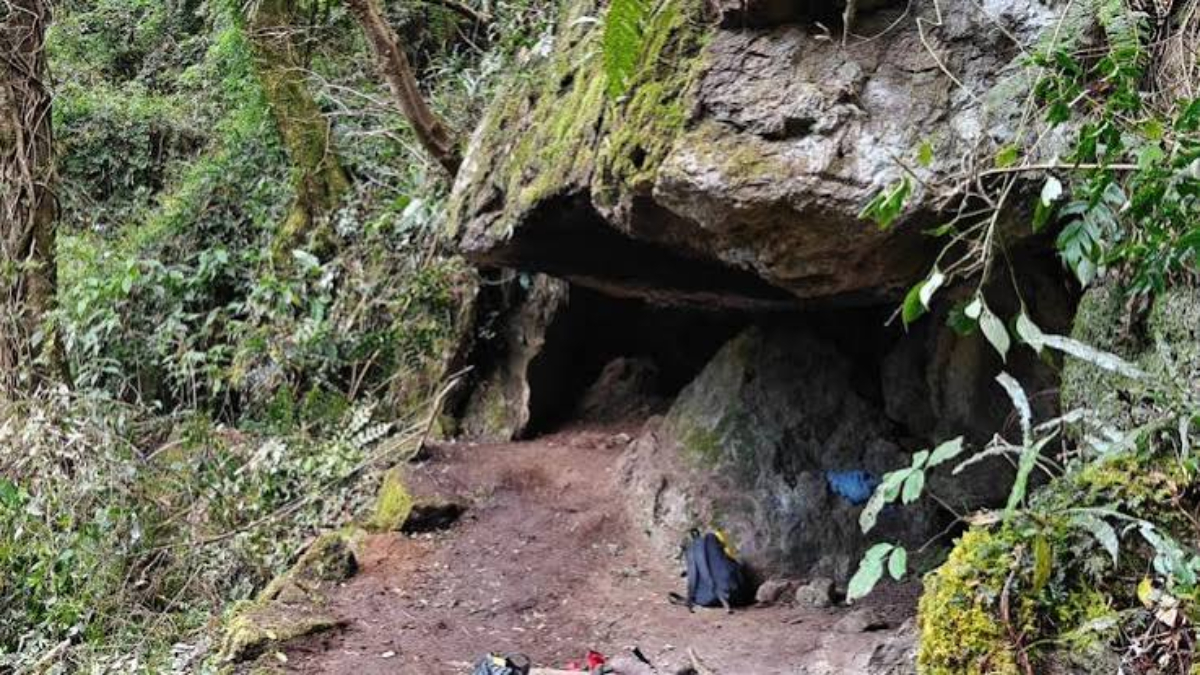
Nagaland Noklak caves have emerged as the site of a remarkable archaeological discovery after researchers uncovered evidence of prehistoric human habitation, offering fresh insights into the ancient history of Northeast India. The findings from the cave systems in Noklak district suggest that humans occupied the region thousands of years ago, challenging previous assumptions about early settlement patterns in Nagaland. Archaeologists believe the discovery could significantly reshape the understanding of prehistoric migration, cultural development, and human activity across the eastern Himalayan region.
Why the Nagaland Noklak Caves Discovery Matters
The discovery in the Nagaland Noklak caves marks one of the most significant archaeological breakthroughs in Northeast India in recent years. Researchers identified multiple signs of prehistoric human occupation during an extensive exploration of caves in Noklak district, located along Nagaland’s border with Myanmar.
Among the key findings were stone tools, pottery fragments, charcoal deposits, and other cultural materials that indicate sustained human activity inside the caves during prehistoric times. Archaeologists believe these artefacts provide direct evidence that ancient communities once lived, hunted, and possibly carried out ritual practices within the cave network.
Experts say the findings have the potential to rewrite the archaeological timeline of Nagaland by establishing that human habitation in the region dates back much earlier than previously documented.
Archaeologists Uncover Valuable Evidence
The excavation and survey were conducted by a team of archaeologists and researchers working in collaboration with local authorities and community members. During the exploration, specialists documented several caves containing cultural deposits preserved beneath sediment layers.
Radiocarbon dating of charcoal samples and scientific analysis of recovered artefacts are expected to provide more precise estimates of the age of the habitation. Preliminary observations suggest that some of the materials could belong to prehistoric periods extending several thousand years into the past.
Researchers also recovered stone implements that appear to have been used for cutting, hunting, and processing food. Pottery fragments indicate that the inhabitants possessed basic ceramic-making skills, pointing to an increasingly organised lifestyle.
How the Nagaland Noklak Caves Could Rewrite History
The Nagaland Noklak caves discovery is particularly important because archaeological evidence from Nagaland has traditionally been limited compared to other parts of India. Much of the state’s ancient past has been reconstructed through oral traditions rather than extensive excavations.
The newly discovered evidence suggests that Noklak may have served as an important prehistoric settlement or seasonal habitation site. Given its strategic location near present-day Myanmar, experts believe the caves may also provide clues about ancient migration routes connecting South Asia and Southeast Asia.
The findings strengthen the possibility that prehistoric populations moved across these mountainous landscapes much earlier than previously understood, contributing to cultural exchanges across the region.
Scientific Studies to Continue
Although the initial discoveries are highly encouraging, archaeologists have stressed that further scientific research is necessary before drawing final conclusions.
Additional excavation seasons are expected to focus on:
- Detailed mapping of the cave systems.
- Radiocarbon dating of organic remains.
- Laboratory analysis of pottery and stone tools.
- Soil and sediment examination.
- Reconstruction of ancient environmental conditions.
Researchers hope these studies will help determine exactly when humans first occupied the caves, how long they remained there, and what daily life looked like for these prehistoric communities.
Local Communities Play an Important Role
The discovery would not have been possible without the cooperation of local communities in Noklak district. Residents have long been familiar with the caves, many of which have cultural and historical significance in local traditions.
Community members assisted researchers by identifying cave locations, sharing traditional knowledge, and helping facilitate fieldwork in the rugged terrain.
Officials have emphasised that preserving both the archaeological remains and the surrounding natural environment will require continued collaboration between government agencies, researchers, and local stakeholders.
Boost for Heritage and Tourism
The discovery is also expected to generate interest in heritage tourism across Nagaland. If managed responsibly, the archaeological site could become an important destination for researchers, students, and history enthusiasts.
Authorities are expected to consider conservation measures before opening sensitive areas to visitors. Protecting the fragile cave ecosystem and preserving the artefacts will remain the highest priority.
Experts believe the findings could encourage additional archaeological exploration across other unexplored parts of Nagaland, where similar prehistoric sites may still remain hidden.
A New Chapter in Northeast India’s Ancient Past
The discovery of prehistoric human habitation in the Nagaland Noklak caves represents a landmark moment for Indian archaeology. The evidence uncovered inside the caves has opened new possibilities for understanding how early humans lived, migrated, and adapted to the challenging landscapes of Northeast India.
As scientific analysis continues, archaeologists expect the Noklak discoveries to fill important gaps in the region’s ancient history while providing valuable information about prehistoric societies that once inhabited the eastern Himalayan frontier. The findings not only enhance Nagaland’s archaeological significance but also reinforce the state’s growing importance in uncovering India’s earliest human story.