

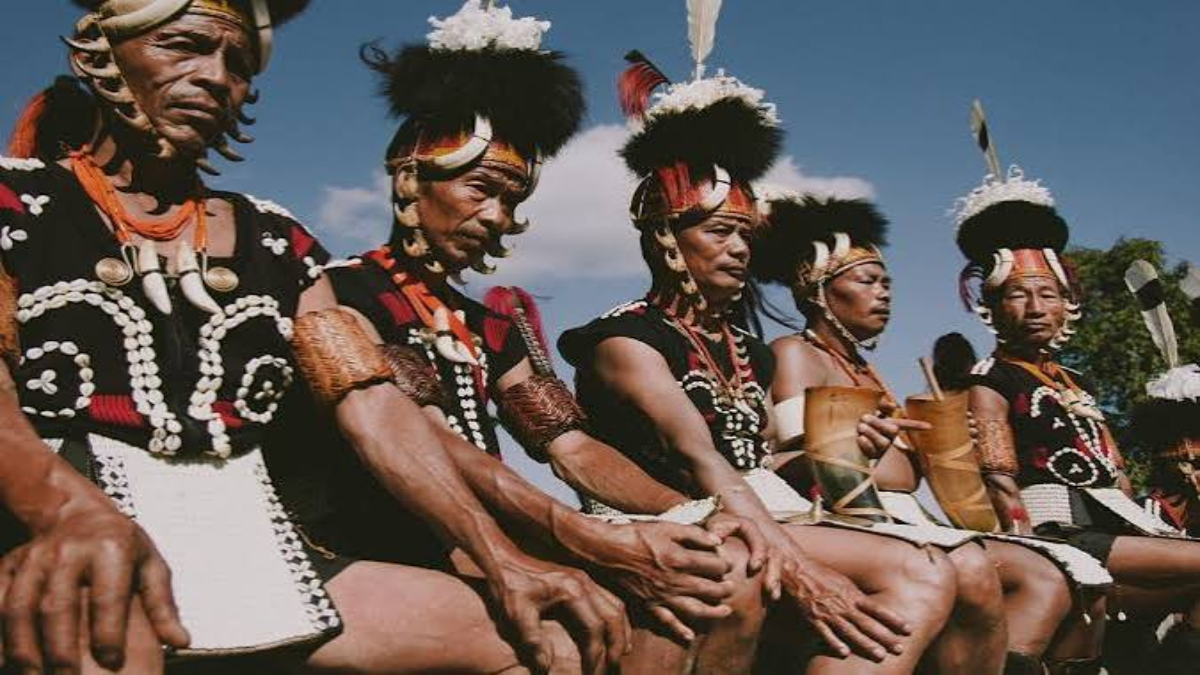
Nagaland’s Hornbill Festival security plan is drawing attention as authorities prepare for the annual cultural extravaganza beginning on December 1, while tribal organisations raise concerns about a proposal to privatise the festival venue. The two developments have placed security arrangements, traffic management, cultural ownership and the future administration of one of Nagaland’s biggest tourism events in the spotlight.
Held every year in December, the Hornbill Festival attracts visitors from across India and abroad. With large crowds expected at the Naga Heritage Village in Kisama, police preparations and discussions surrounding the venue’s management are important issues ahead of the celebrations.
Nagaland Police Prepare Comprehensive Security Measures
Nagaland Police have announced preparations for a comprehensive security and traffic management operation for the festival. The arrangements are intended to maintain public order, ensure the smooth movement of vehicles and help visitors travel safely to and from the venue.
Security planning is particularly important because the festival brings together tourists, local residents, performers, government representatives and members of different Naga communities. Managing these groups requires coordination among police personnel, traffic officials, festival organisers and other relevant departments.
The security arrangements are expected to focus on crowd regulation, vehicle movement, parking management and the prevention of incidents that could disrupt festival activities. Visitors are generally advised to follow instructions issued by police and event authorities, particularly around busy entry points and designated parking areas.
Officials are also expected to prioritise public convenience while ensuring that emergency vehicles can access the venue when required. Detailed operational instructions, including any restrictions or designated routes, should be followed according to official announcements.
Traffic Management a Major Priority
Traffic congestion is a recurring challenge during large public events, especially when thousands of visitors travel to the same location within a limited period. The road network leading to Kisama can experience pressure during peak visiting hours, making advance planning essential.
Under the Hornbill Festival security plan, traffic management is a key area of preparation. Police measures are intended to regulate vehicle movement, reduce congestion and maintain orderly access to the festival grounds.
Motorists should pay attention to traffic advisories, parking instructions and any temporary diversions announced by the authorities. Visitors travelling in private vehicles can help ease congestion by allowing additional travel time and avoiding unauthorised parking along approach roads.
Tourists unfamiliar with the area should check official updates before setting out, particularly during busy evening programmes and other high-attendance events. Following instructions from traffic personnel will help reduce delays and improve safety for pedestrians and motorists.
Tribal Bodies Raise Concerns Over Proposed Venue Privatisation
Alongside preparations for the festival, tribal organisations in Nagaland have expressed concern over a proposal to privatise the Hornbill Festival venue. The issue has prompted questions about the management of the Naga Heritage Village and the role of Naga communities in decisions affecting an important cultural gathering.
The Hornbill Festival is more than a tourism attraction. It provides a platform for Naga tribes to showcase traditional dances, indigenous food, crafts, customary practices, music and community heritage. For many residents, the event represents a shared cultural space that connects younger generations with their traditions.
Concerns about privatisation therefore extend beyond the administrative management of the venue. Tribal bodies may seek clarity on ownership, decision-making powers, access, accountability and the protection of cultural interests. The precise terms of any proposal and the government’s response are central to understanding the issue.
At the same time, changes to venue management can raise broader questions about how public infrastructure used for cultural events should be administered. Any decision involving Kisama is likely to attract scrutiny because of the site’s significance to the festival and the communities it represents.
Road Conditions and Infrastructure Also Under Review
Preparations for the 2026 festival extend beyond police deployment and traffic control. Chief Minister Neiphiu Rio reviewed readiness for the 27th edition at Kisama on October 13, stressing coordination among departments and local communities.
Officials discussed road connectivity, electricity, water supply, sanitation, parking and public conveniences. Rio said access to the venue would be ensured despite damage to National Highway-29 following a landslide in August. He also indicated that a separate meeting would examine road-related concerns.
The damaged stretch between Kisama and Phesama has raised concerns about travel conditions ahead of the festival. Restoring safe access is essential for visitors, performers, vendors and emergency services.
Public-Private Partnership Proposal Under Discussion
The proposed public-private partnership (PPP) model for developing Kisama Heritage Village is another significant issue ahead of the festival. Rio said tender documents were being prepared, while Tourism Minister Temjen Imna Along indicated that further consultations would take place.
Supporters of improved venue management may see a partnership model as an opportunity to upgrade facilities, attract investment and develop Kisama as a destination throughout the year. However, concerns about privatisation underline the need for transparency and meaningful engagement with tribal organisations and other stakeholders.
Clear information about the proposed arrangement, including responsibilities, oversight, revenue management and safeguards for cultural activities, would help the public understand how the plan could affect the venue.
As Nagaland prepares to welcome visitors from December 1 to 10, the challenge is to balance effective security and modern infrastructure with the cultural purpose of the festival. Transparent consultation, reliable road access and coordinated planning will be crucial to ensuring that the Hornbill Festival remains safe, accessible and representative of the communities whose heritage it celebrates.
Arunachal CM Praises Itanagar Cleanliness Drive, Signals Civic Upgrades