

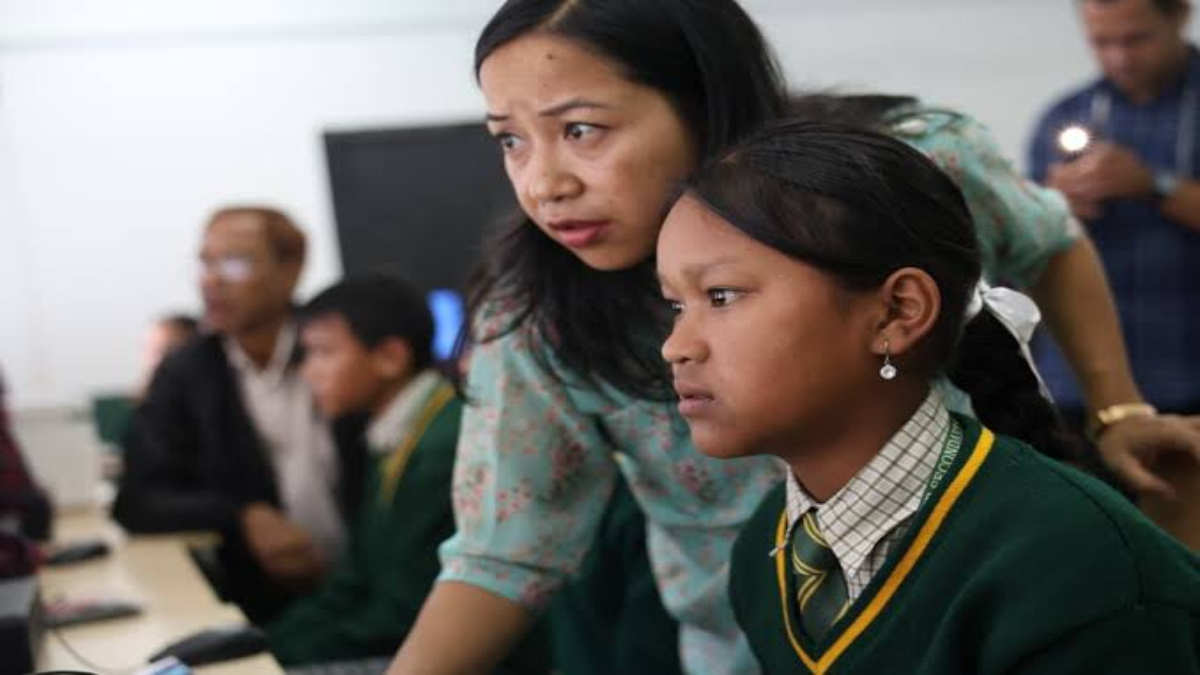
Meghalaya digital learning is set to receive a major boost with 31 schools selected for a pilot programme aimed at expanding technology-enabled education across the state. The initiative comes as Meghalaya continues to strengthen digital infrastructure, teacher capacity and technology-based learning as part of wider efforts to modernise school education.
The pilot is expected to give selected schools an opportunity to integrate digital tools into classroom teaching while helping authorities assess how technology can improve access to learning resources. The programme also fits into Meghalaya’s broader push to strengthen education governance and learning outcomes across its districts.
31 schools selected for Meghalaya digital learning pilot
The selection of 31 schools marks an important step towards testing a more structured approach to technology-assisted education. A pilot programme allows education authorities to assess how digital resources work in different classroom settings before considering wider implementation.
For Meghalaya, such an approach is particularly relevant because schools operate across urban centres, rural communities and geographically difficult areas. Digital resources can potentially supplement conventional classroom teaching where access to specialised learning materials, teachers or other academic resources is limited.
The state has already been working to expand technology use within its education system. In May 2026, the Meghalaya government launched the MBOSE E-Office Management System and an accounting system as part of efforts to modernise educational administration. It also launched the Chief Minister’s Leadership in Education and Development (CM LEAD) Fellowship to support innovation and implementation of priority education programmes across all 12 districts.
How digital tools can support classrooms
The new pilot comes at a time when digital learning is becoming increasingly integrated into school education in India. Digital classrooms can provide students with access to videos, interactive lessons, visual explanations, online resources and other supplementary material.
For teachers, technology can provide additional tools to explain difficult concepts and make lessons more interactive. Digital resources can also support students who need additional practice or alternative ways of understanding a subject.
The effectiveness of such programmes, however, depends on more than installing devices. Reliable connectivity, functioning equipment, appropriate content and teacher training are important for sustained classroom use.
This is particularly significant in Meghalaya, where geographical conditions can create differences in access to infrastructure. A pilot involving schools in different locations can therefore help identify practical challenges before a larger rollout.
Teacher training remains central
The success of Meghalaya digital learning will also depend on how confidently teachers can use the available technology. Training can help educators move beyond simply displaying digital content and instead integrate technology into lesson planning, assessment and classroom activities.
Teacher capacity-building is already part of Meghalaya’s wider education agenda. The CM LEAD Fellowship, for example, has been designed to support innovation, coordination and implementation of education programmes across the state’s 12 districts. The programme is intended to strengthen governance and learning outcomes in nearly 8,000 government and government-aided schools.
Meghalaya expands its digital education push
The 31-school pilot is not the state’s only recent effort to use technology in education. In August 2026, the Meghalaya Early Childhood Development Mission, under the Social Welfare Department, partnered with Rocket Learning to launch an early childhood care and education programme through Anganwadi Centres.
Under that initiative, Anganwadi workers receive digital content and training resources through WhatsApp. The content is intended to be curriculum-aligned, localised and developed in local languages, with the programme focusing on play-based learning.
These initiatives indicate that Meghalaya’s use of digital tools is expanding beyond conventional school classrooms. Technology is increasingly being considered as a way to support learning at different stages of childhood and improve access to educational resources.
Pilot could guide wider rollout
A key purpose of a pilot programme is to generate evidence that can guide future decisions. The experience of the 31 selected schools could help education authorities understand which digital tools work effectively, what infrastructure gaps remain and what type of teacher support is required.
It can also provide information on student participation and classroom engagement. If the programme produces useful results, lessons from the pilot could inform the expansion of digital learning facilities to more schools across Meghalaya.
The state already has a substantial school network. The Meghalaya Education Department lists government, deficit-aided, ad-hoc aided and self-financed higher secondary schools across districts including East Khasi Hills, West Khasi Hills, Jaintia Hills, Ri Bhoi and the Garo Hills.
The selection of 31 schools therefore provides an opportunity to test digital education across varied school environments before any broader expansion.
Focus on accessible and future-ready education
The Meghalaya digital learning initiative comes as education systems increasingly seek to combine traditional classroom teaching with technology. For students, wider access to digital resources can support independent learning and improve exposure to multimedia educational material.
For the government, the pilot can provide a practical way to identify infrastructure and training requirements while measuring how digital tools function at school level.
As the programme progresses, its impact will depend on consistent implementation, teacher participation, equipment maintenance and access to suitable learning content. The experience of the 31 selected schools could ultimately help shape Meghalaya’s next phase of technology-enabled education and strengthen the state’s broader effort to build more accessible, modern and future-ready schools.
Tripura’s Neermahal Water Festival Returns to Melaghar From October 7