

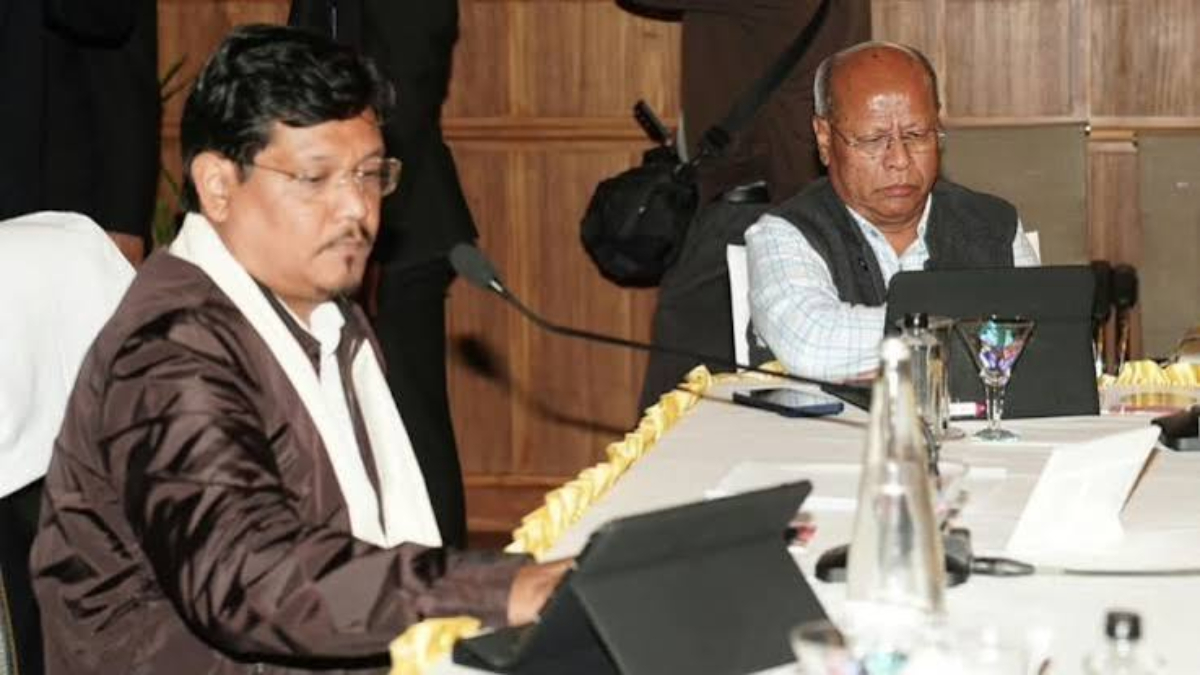
Meghalaya’s Northeast United FC football academy has received a significant boost after the state Cabinet approved a 45-year land lease for the proposed football development facility. The decision is expected to support long-term investment in football infrastructure and create opportunities for aspiring players in Meghalaya and the wider Northeast region.
The move highlights the state government’s interest in strengthening sports development through partnerships with professional football organisations. With football enjoying a strong following across the Northeast, the proposed academy could help young talent access structured training, professional coaching and pathways towards competitive football.
Meghalaya Cabinet Approves 45-Year Land Lease
The Meghalaya Cabinet’s approval of a 45-year land lease marks an important step towards establishing a long-term base for the Northeast United FC football academy. A lease of this duration can provide the stability required to plan, develop and maintain a sports facility over several decades.
For a football academy, long-term land access is important because infrastructure development involves more than building training grounds. Facilities may also require changing rooms, administrative spaces, fitness areas, accommodation and other amenities, depending on the final project design.
The Cabinet’s decision provides a foundation for the proposed initiative to move forward. However, details such as the project’s construction schedule, total investment, training capacity and operational timeline would need to be confirmed through official announcements.
Northeast United FC Football Academy Could Strengthen Grassroots Development
The Northeast United FC football academy could play an important role in identifying and developing young footballers from Meghalaya and neighbouring states. The Northeast has a strong football culture, with many young players aspiring to compete at state, national and professional levels.
A dedicated academy could help bridge the gap between grassroots participation and professional football by offering organised training and opportunities for players to improve their technical, tactical and physical abilities.
Structured development programmes can also help young athletes understand the demands of competitive football, including teamwork, discipline, fitness and match preparation. If the proposed academy establishes clear pathways for talented players, it could contribute to the region’s wider football ecosystem.
For Meghalaya, the initiative may also strengthen the connection between local sporting talent and professional football structures.
Potential Benefits for Meghalaya’s Sports Infrastructure
The approval could have benefits beyond player development. A long-term football facility has the potential to support coaching programmes, training camps and other football-related activities, subject to the academy’s eventual plans and available infrastructure.
Developing sports facilities can also generate opportunities for people working in coaching, ground maintenance, administration, fitness training and sports management. Local businesses may benefit from increased demand for transport, accommodation, food and other services when tournaments or training programmes are organised.
Such outcomes would depend on the academy’s scale, investment and operating model. Nevertheless, the Cabinet’s decision represents a potential opportunity to expand Meghalaya’s sports infrastructure and attract further interest in organised football.
The project could also encourage greater participation among children and teenagers by demonstrating the importance of professional training environments and sustained sporting development.
A Long-Term Opportunity for Northeast Football
Football has a prominent place in the sporting culture of Meghalaya and several other northeastern states. The region has produced players who have competed in major domestic competitions, while local clubs and community tournaments continue to encourage participation at different levels.
An academy linked to a professional football club could complement these existing efforts by providing a more structured environment for talent development. Young players may benefit from regular assessments, specialised coaching and exposure to more demanding training standards if these form part of the academy’s programme.
At the same time, the success of such a facility would depend on effective implementation. Access to quality coaching, transparent player selection, suitable infrastructure and sustained funding would be important factors in ensuring that local talent benefits from the investment.
The academy’s long-term contribution will ultimately be measured by the opportunities it creates for aspiring footballers and the strength of its development programmes.
Implementation Will Be Key to the Project’s Success
While the 45-year land lease approval is a significant administrative milestone, further details will be important in understanding how the project progresses. Information about the land parcel, construction phases, funding arrangements and expected commencement of operations would help establish the next steps.
The availability of training facilities alone does not guarantee the development of professional players. Consistent coaching, competitive match exposure, education and appropriate support systems are equally important to a sustainable academy model.
If implemented effectively, the initiative could strengthen the link between grassroots football and professional opportunities while expanding the state’s capacity to support young athletes.
Meghalaya’s decision to approve the long-term land lease signals an opportunity to invest in football’s future. As further project details emerge, the proposed Northeast United FC football academy could become an important addition to the region’s sporting infrastructure and a potential platform for nurturing the next generation of football talent.
Major Win for Shape of Momo IFFSA Toronto Awards as Tribeny Rai and Gaumaya Gurung Shine