

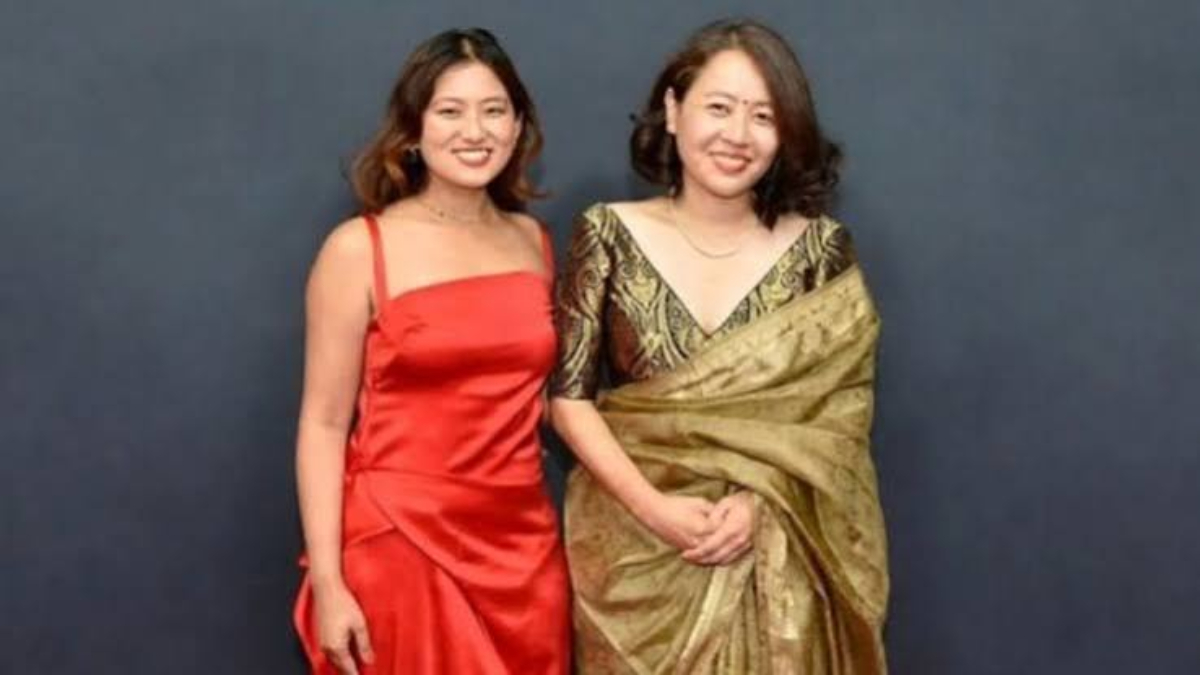
Shape of Momo IFFSA Toronto awards have brought fresh international recognition to Sikkimese filmmaker Tribeny Rai and lead actor Gaumaya Gurung, who won Best Director and Best Actor honours at the International Film Festival of South Asia (IFFSA) Toronto 2026. The double victory highlights the growing international appeal of the Nepali-language drama, which explores women’s lives, family expectations and the struggle for independence in a Himalayan community.
The awards were announced on October 21, following the festival’s 15th edition, held from October 8 to 18 in Canada. Rai received the Best Director award, while Gurung was honoured in the Best Actor category, both in the International Feature Film section. The achievement adds another milestone to the film’s growing presence on the international festival circuit.
Tribeny Rai Wins Best Director at IFFSA Toronto
For Tribeny Rai, the Best Director award marks another important achievement for her debut feature film. The filmmaker from Sikkim has drawn attention to the social realities and cultural experiences of women in the Eastern Himalayas through an intimate, character-driven narrative.
Rai’s direction focuses on everyday family interactions, personal conflicts and the expectations placed on women within traditional communities. Rather than relying on dramatic confrontations, the film builds its emotional impact through small moments, silences and the relationships between its characters.
Speaking about the latest recognition, Rai expressed happiness at sharing the achievement with Gurung, describing the moment as a meaningful point in their film’s festival journey.
The award also reinforces the growing visibility of independent filmmakers from India’s northeastern region, whose stories often receive limited exposure in mainstream cinema despite their distinctive cultural perspectives.
Gaumaya Gurung Earns Best Actor Honour
Lead actor Gaumaya Gurung won the Best Actor award for her portrayal of Bishnu, the central character whose return to her Himalayan hometown sets the story in motion.
Bishnu leaves her job in Delhi and returns to her ancestral home, where she encounters familiar family responsibilities and deeply rooted expectations about marriage and women’s roles. Her desire to build an independent future brings her into conflict with the social conventions surrounding her.
Gurung’s performance captures the character’s uncertainty, determination and emotional struggles as she attempts to reconcile her ambitions with her responsibilities towards her family. The award recognises the depth of her portrayal and the importance of her character to the film’s wider themes.
The acting and directing honours together underline the collaborative strength of the production, with the performances and Rai’s storytelling contributing to the film’s emotional resonance.
What Is Shape of Momo About?
Shape of Momo is a 2025 Nepali-language drama set in Sikkim’s Himalayan landscape. Also known by its original title, Chhora Jastai, the film follows Bishnu as she navigates life within a multigenerational household after returning from the city.
Her family includes a grandmother waiting for her son to return from Dubai, a mother who wants her daughter to settle down, and her pregnant elder sister, Junu, who seeks refuge at the family home amid marital difficulties.
Bishnu also develops a tentative relationship with Gyan, a local architect considered a suitable match. These circumstances force her to confront the tension between her own aspirations and the expectations of her family and community.
The film uses its domestic setting to examine broader questions of identity, belonging, gender roles and personal freedom. Even the preparation of momos becomes a meaningful part of the narrative, reflecting how everyday traditions can carry expectations about conformity and women’s responsibilities.
Shape of Momo Continues Its International Festival Journey
The latest Shape of Momo IFFSA Toronto awards add to an impressive run of international screenings and honours. The film premiered at the Busan International Film Festival in 2025 and subsequently travelled to several prominent festivals.
Its previous achievements include the Songwon Vision Award and Taipei Film Commission Award at Busan, as well as the Golden Royal Bengal Tiger Award for Best Film in Indian Languages at the Kolkata International Film Festival in 2025.
The film has also received recognition at the Jaffna International Cinema Festival and the Third Eye Asian Film Festival, further strengthening its reputation among audiences and festival juries.
Its selection for international platforms has helped bring stories rooted in Sikkim and the Eastern Himalayas to viewers beyond the region. The film’s themes of family, autonomy and social expectations also give it relevance for audiences from different cultural backgrounds.
A Milestone for Sikkimese and Nepali-Language Cinema
The double win at IFFSA Toronto represents more than an individual achievement for Rai and Gurung. It demonstrates how regional stories, when presented through thoughtful filmmaking and compelling performances, can connect with international audiences.
For Sikkim, the recognition offers further visibility to its creative community, while the film’s success contributes to the wider reach of Nepali-language cinema.
With its international festival journey continuing, Shape of Momo stands as a notable example of independent cinema bringing underrepresented experiences to the screen. Rai’s directing award and Gurung’s acting honour strengthen the film’s standing and draw renewed attention to a story about women negotiating tradition, family obligations and the freedom to shape their own lives.
Manipur Thang-Ta Championship to Bring 350 Athletes to Imphal