

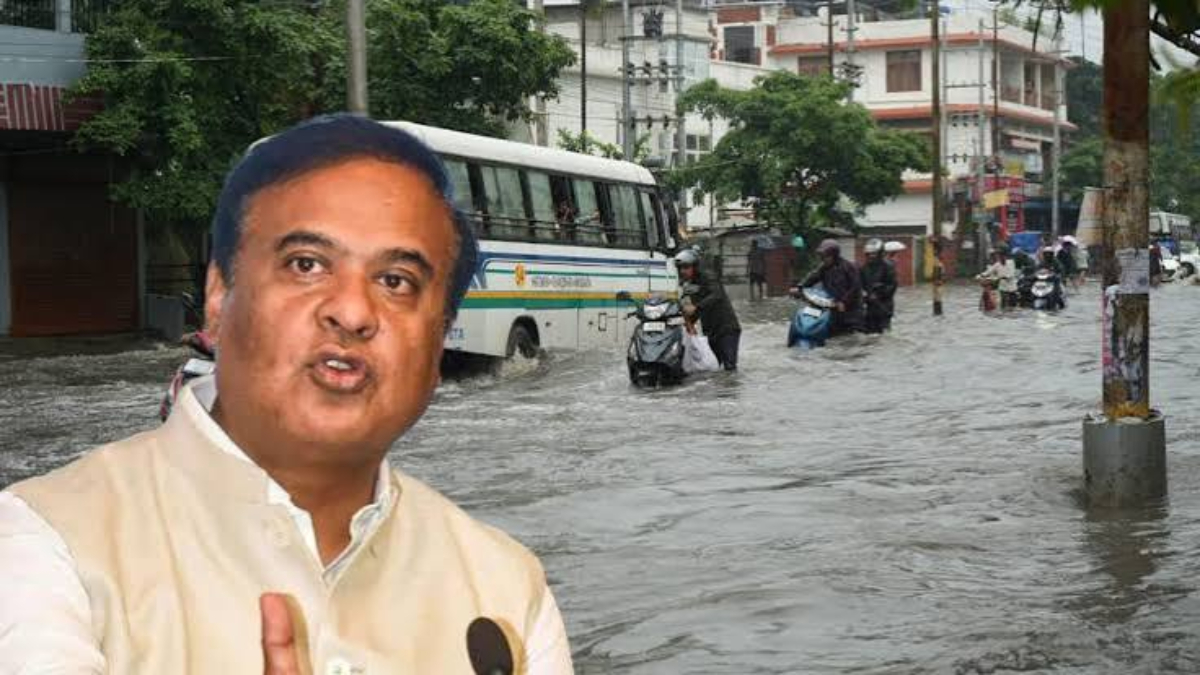
Assam flood health alert has become the state’s top priority as Chief Minister Himanta Biswa Sarma directed the Health and Family Welfare Department to remain on the highest level of preparedness amid the worsening flood situation across several districts. With heavy rainfall continuing to swell major rivers and thousands of people affected, the government has intensified its response to prevent disease outbreaks, ensure uninterrupted medical services, and strengthen emergency healthcare in flood-hit areas.
The Chief Minister’s latest directive comes as Upper Assam faces severe flooding, prompting the state government to place the Indian Army and the Indian Air Force on standby for possible evacuation and rescue operations. The administration is also closely monitoring the evolving situation while coordinating relief efforts across affected districts.
Health Department Asked to Maintain Maximum Readiness
The state government has instructed the Health Department to keep emergency medical teams fully prepared to respond to any public health crisis arising from the floods. Officials have been asked to ensure the availability of essential medicines, life-saving drugs, ambulances, and sufficient medical personnel in vulnerable districts.
Special emphasis has been placed on preventing water-borne and vector-borne diseases, which often emerge after prolonged flooding. Hospitals, primary health centres, and mobile medical units have been directed to remain operational around the clock to provide timely treatment to affected residents.
The administration is also focusing on maintaining adequate stocks of oral rehydration salts (ORS), chlorine tablets, antibiotics, anti-snake venom, and other emergency medical supplies.
Assam Flood Health Alert Focuses on Disease Prevention
Floodwaters significantly increase the risk of diseases such as diarrhoea, cholera, typhoid, hepatitis, dengue, and malaria. Recognising these threats, the Health Department has intensified surveillance and preventive measures across relief camps and flood-affected villages.
Medical teams have been instructed to conduct regular health check-ups at relief camps while spreading awareness about safe drinking water, sanitation, and personal hygiene. Officials are also monitoring drinking water quality to minimise contamination risks.
Public health workers, including ASHA workers and frontline healthcare staff, have been mobilised to identify suspected cases early and ensure prompt medical intervention.
Flood Situation Continues to Worsen in Upper Assam
The Chief Minister’s health alert comes amid a deteriorating flood situation in Upper Assam, particularly in districts such as Sivasagar, Charaideo and Jorhat. Continuous rainfall has caused river water levels to rise rapidly, inundating residential areas, roads and agricultural land.
In response, the Assam government has requested the Indian Army and the Indian Air Force to remain on standby for evacuation and rescue operations if conditions worsen further. Cabinet ministers have also been deputed to flood-hit districts to oversee relief work and coordinate with local administrations.
Authorities have reiterated that public safety remains the government’s highest priority as rescue teams remain prepared for any emergency.
Relief Camps and Medical Services Strengthened
Alongside rescue operations, the state government has expanded relief arrangements for displaced families. Medical teams are visiting relief camps regularly to provide consultations, distribute medicines and monitor vulnerable groups, including children, pregnant women and elderly citizens.
Health officials have also been directed to ensure uninterrupted ambulance services and maintain emergency referral systems for critically ill patients. District administrations are coordinating with local health authorities to address any shortages of medicines or medical equipment.
The government has appealed to residents in flood-prone areas to immediately report symptoms of illness and follow official advisories regarding drinking water safety and sanitation.
Continuous Monitoring by the Chief Minister
Chief Minister Himanta Biswa Sarma has said that the state administration is closely monitoring developments across flood-affected districts. Senior officials remain in constant touch with district authorities, disaster management teams and healthcare departments to ensure rapid response whenever needed.
The government has also instructed multiple departments to work in coordination so that rescue operations, relief distribution, healthcare delivery and restoration of essential services continue without disruption.
Officials believe that early preparedness within the healthcare system will help reduce the risk of post-flood disease outbreaks and improve emergency response capabilities.
Assam Rifles Ukhrul Ambush Reported After Patrol Attacked
Public Asked to Remain Vigilant
Authorities have advised residents living in vulnerable areas to stay updated through official weather bulletins and district administration advisories. People have also been urged to avoid floodwaters whenever possible, consume only safe drinking water, maintain hygiene, and seek medical attention immediately if they develop fever, diarrhoea or other symptoms.
With forecasts indicating continued rainfall over parts of Assam, the administration remains on high alert. The government’s emphasis on healthcare preparedness, coupled with rescue and relief operations, aims to minimise the impact of the floods while safeguarding public health during the ongoing monsoon emergency.