

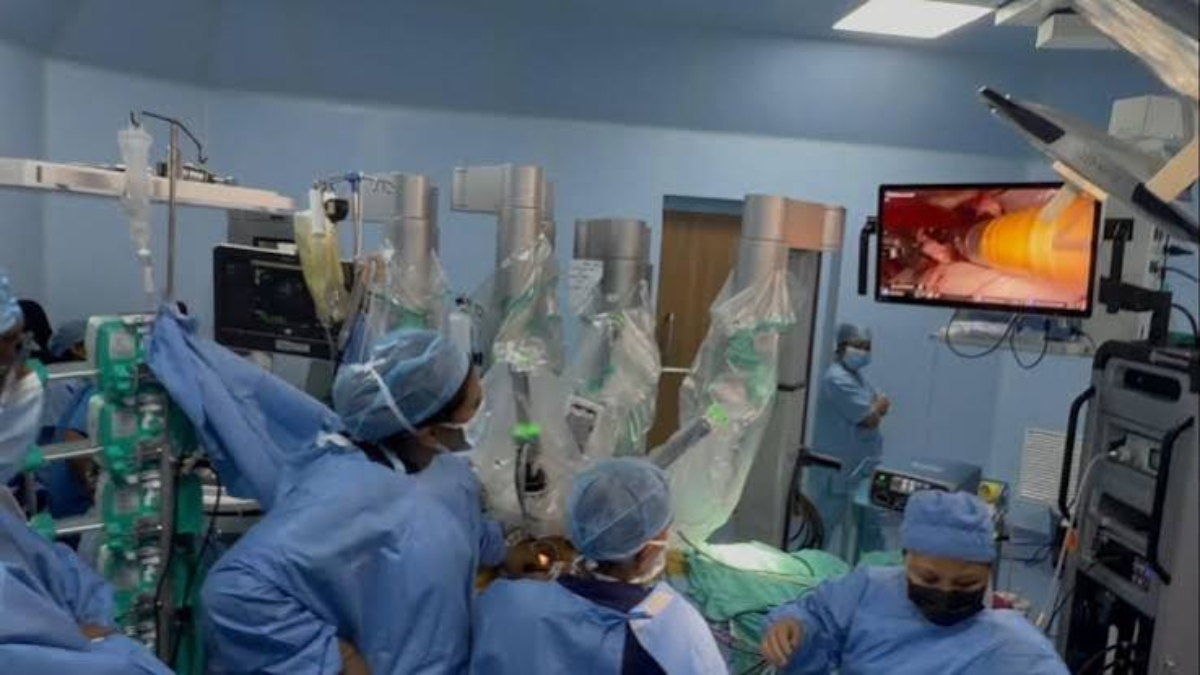
GMCH liver transplant has marked a significant milestone in the healthcare sector of Northeast India, with Guwahati Medical College and Hospital (GMCH) reportedly performing the region’s first liver transplant at a government hospital. The development was announced by Assam Health Minister Himanta Biswa Sarma, highlighting the growing capabilities of the state’s public healthcare system and its efforts to provide advanced medical treatment within government institutions.
The achievement is an important step towards improving access to specialised healthcare for patients suffering from serious liver diseases. Liver transplantation is a complex medical procedure that requires experienced surgeons, trained medical teams, specialised infrastructure and comprehensive post-operative care. Its availability at a government hospital could help eligible patients access treatment without having to depend entirely on private hospitals or facilities outside the region.
A Major Milestone for Government Healthcare
The reported procedure represents a major development for Assam’s public health infrastructure. Patients requiring liver transplantation often face significant financial and logistical challenges because the treatment involves specialised surgery, prolonged hospitalisation, intensive monitoring and lifelong follow-up care.
For families in Assam and neighbouring northeastern states, access to transplantation at a government institution could reduce the need to travel to major medical centres elsewhere in India. It may also improve continuity of care by allowing patients to receive specialist consultations, surgery and post-operative support closer to home.
The milestone reflects the importance of expanding advanced treatment facilities in public hospitals, particularly in a region where access to highly specialised medical services remains a key healthcare concern.
GMCH’s Growing Role in Advanced Medical Treatment
Gauhati Medical College and Hospital, located in Guwahati, is one of Northeast India’s major government medical institutions. Established in 1960, it has expanded its services over the decades to provide tertiary and specialised treatment to patients from Assam and neighbouring states.
The hospital has developed specialised facilities for several complex medical procedures. Its superspeciality hospital includes departments such as gastroenterology, surgical gastroenterology, nephrology and renal transplantation, supported by advanced operating theatres and intensive care facilities.


Government of Assam, India
These services are important for managing patients with complicated conditions that require coordinated treatment from multiple medical departments.
Building on Earlier Transplant Achievements
GMCH’s reported liver transplant milestone follows earlier progress in organ transplantation. In June 2024, the hospital successfully performed its first deceased-donor kidney transplant, with kidneys from a brain-dead donor transplanted into two patients.
At the time, Himanta Biswa Sarma highlighted the importance of organ donation and expressed the intention to develop liver transplantation services in Guwahati.
The reported liver transplant marks a further step in that direction, extending the hospital’s role in advanced transplant care beyond kidney transplantation.
Why Liver Transplant Services Matter for Patients
A liver transplant is generally considered for patients with advanced liver disease or liver failure when other treatments are no longer sufficient. Depending on the patient’s condition, transplantation may involve a suitable living donor or a deceased donor whose liver can be medically assessed for transplantation.
The procedure requires careful donor-recipient matching, detailed medical evaluation, specialised surgical expertise and close monitoring after surgery. Patients also need long-term medication and follow-up appointments to reduce the risk of organ rejection and manage potential complications.
For patients in Northeast India, the availability of liver transplantation at a government hospital could make specialised treatment more accessible. However, the actual benefit will depend on eligibility criteria, treatment costs, transplant capacity and the availability of trained teams and supporting facilities.
Organ Donation Remains a Key Priority
The expansion of transplant services also highlights the importance of organ donation awareness. Assam’s Health and Family Welfare Department provides information on organ donation, eligibility and the legal framework governing transplantation under the Transplantation of Human Organs and Tissues regulations.
Deceased organ donation can help multiple patients when organs are medically suitable for transplantation. Families of potential donors need clear information and support, while hospitals must follow the required medical, ethical and legal procedures.
Strengthening awareness and coordination among hospitals, transplant teams and organ donation authorities will remain essential to expanding access to life-saving treatment across the region.
The reported achievement at GMCH places renewed attention on Assam’s efforts to strengthen specialised public healthcare. If the transplant programme can be sustained with adequate staffing, infrastructure and post-operative support, it could help more patients seek advanced treatment within the Northeast. The development also signals the importance of continued investment in government hospitals so that complex medical procedures become increasingly accessible to people who might otherwise struggle to afford treatment far from home.
Remarkable Return: Amur Falcons Apapang and Alang Reach Manipur After Crossing 23 Countries