

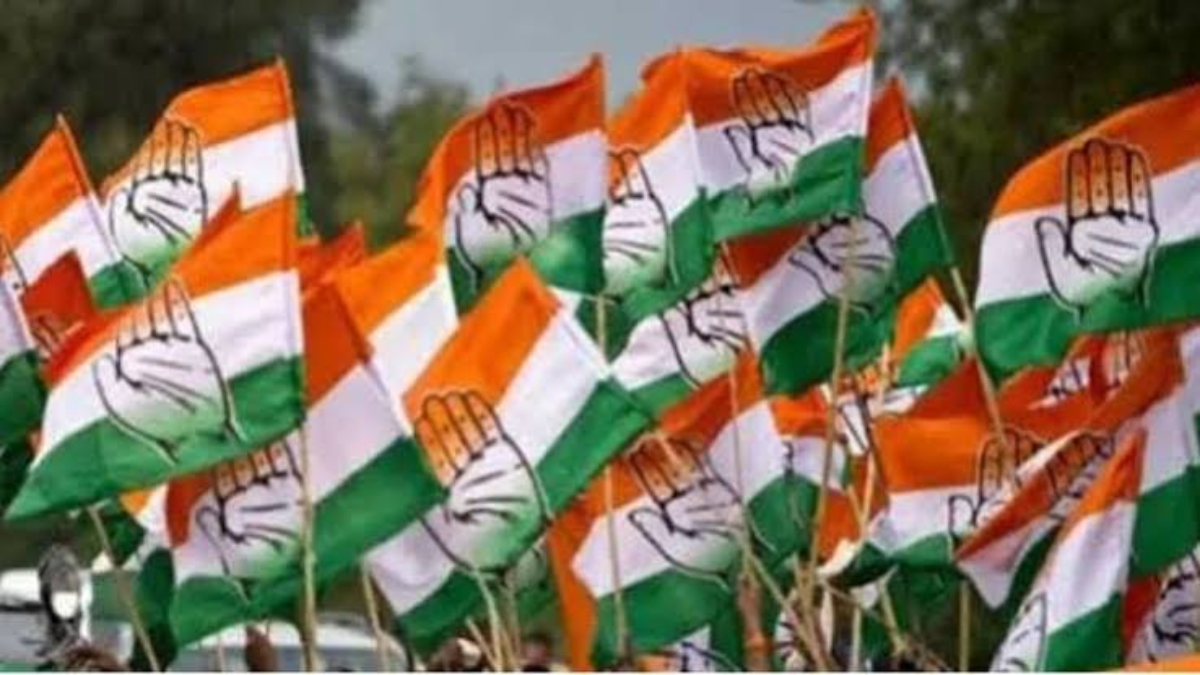
Mizoram Universal Health Care Scheme has come under renewed scrutiny after the Mizoram Pradesh Congress Committee (MPCC) demanded greater transparency in its implementation, lower registration fees and faster inclusion of private hospitals. On October 19, 2026, Congress spokesperson Dr Lallianchhunga raised concerns over the government’s negotiations with hospitals, arguing that a healthcare programme funded by public contributions must operate fairly and remain accountable to beneficiaries.
Congress Questions Transparency in Healthcare Agreements
Speaking at a press conference in Aizawl, Dr Lallianchhunga said Congress had refrained from strongly criticising the scheme since its launch because it recognised that many patients had benefited from the initiative. However, he maintained that concerns over hospital reimbursement rates, registration costs and public accountability needed to be addressed.
The party’s principal objection concerns the agreement between the state government and Synod Hospital in Aizawl. While Congress did not oppose the treatment rates agreed upon with the church-run hospital, it questioned whether the negotiation process had been sufficiently transparent.
Lallianchhunga stressed that the scheme’s funds came from public contributions, including deductions from government employees’ salaries and pensioners’ pensions, alongside registration fees paid by other beneficiaries. He argued that the public deserved clear information about how reimbursement rates were determined and how healthcare funds were utilised.
Congress Seeks More Private Hospitals Under MUHCS
The opposition party also urged the Zoram People’s Movement (ZPM) government, led by Chief Minister Lalduhoma, to expedite the inclusion of private hospitals that have not yet joined the programme.
According to Lallianchhunga, only nine private hospitals in Mizoram remained outside the scheme, and most had expressed willingness to participate according to their respective hospital grades.
The demand comes amid disagreements between the government and private healthcare providers over reimbursement packages. The Non-Government Hospital Association of Mizoram (NGHAM) has maintained that several hospitals are prepared to join if they receive rates comparable to those approved for Synod Hospital.
Major private facilities in Aizawl, including Aizawl Hospital, Ebenezer Medical Center and Trinity Hospital, have expressed willingness to participate under acceptable reimbursement arrangements.
Government Opens the Door to More Hospitals
On October 15, the state government issued a notification inviting non-empanelled hospitals with facilities comparable to Synod Hospital to join the scheme at the rates agreed upon with that institution.
Health Minister Lalrinpuii has defended Synod Hospital’s classification, citing its infrastructure, 350-bed capacity, medical equipment, range of specialities and availability of doctors.
However, the hospital association has questioned the classification and argued that reimbursement rates should reflect the prescribed grading system. The disagreement has highlighted the need for clear criteria that hospitals can understand and apply consistently.
Registration Fees and Affordability Remain Concerns
Another major demand from Congress is a reduction in registration fees to make the programme more accessible to economically weaker households.
The party has argued that healthcare coverage should not become unaffordable for people outside regular government employment. Registration costs can discourage participation among households that have limited financial resources but may face substantial medical expenses.
The scheme provides general beneficiaries with health coverage of up to Rs 5 lakh, subject to the applicable eligibility and contribution requirements. Under the general beneficiary structure, annual contributions vary according to the selected ward category.
Congress has maintained that lowering the financial barrier to enrolment would help more families access treatment without facing severe financial pressure.
MUHCS Coverage and Implementation Challenges
Launched in March 2025, the first phase of the programme was designed to provide cashless treatment at government facilities and empanelled private and church-run hospitals within and outside Mizoram. The second phase was introduced in March 2026.
More than 3.2 lakh beneficiary families had enrolled under the second phase by September 2026, according to reported official figures. The programme has expanded access to hospital treatment, but the participation of private facilities remains an important issue.
The availability of hospitals can directly affect patients who need specialised care or timely admission. When suitable facilities are not included in the network, beneficiaries may have fewer treatment options or need to seek services outside the state.
Wider participation by private hospitals could help strengthen local healthcare access, provided reimbursement arrangements are financially sustainable and applied fairly.
Public Accountability Is Central to Healthcare Reform
The dispute over hospital agreements has also drawn attention from other opposition voices and healthcare stakeholders. Questions about disclosure, reimbursement differences and hospital grading have increased pressure on the government to explain how decisions are made.
For Congress, transparency is essential because the programme relies on public money and contributions from beneficiaries. Publishing clear information about hospital agreements, eligibility criteria, reimbursement packages and payment procedures could help address concerns and build public confidence.
At the same time, the government faces the challenge of balancing affordable treatment for patients with reasonable compensation for hospitals providing medical services.
The future effectiveness of the programme will depend on how these competing concerns are resolved. Faster hospital empanelment, affordable registration and transparent negotiations could help more residents access treatment closer to home.
Congress has urged the state government to treat healthcare as a public welfare priority and respond to the concerns raised by patients and private providers. As discussions over reimbursement rates continue, the government’s next steps will be important in determining whether the programme can expand its hospital network while maintaining public trust and equitable access to healthcare.
Major National Honour for Tripura: Raju Mog Wins Ustad Bismillah Khan Yuva Puraskar 2025