

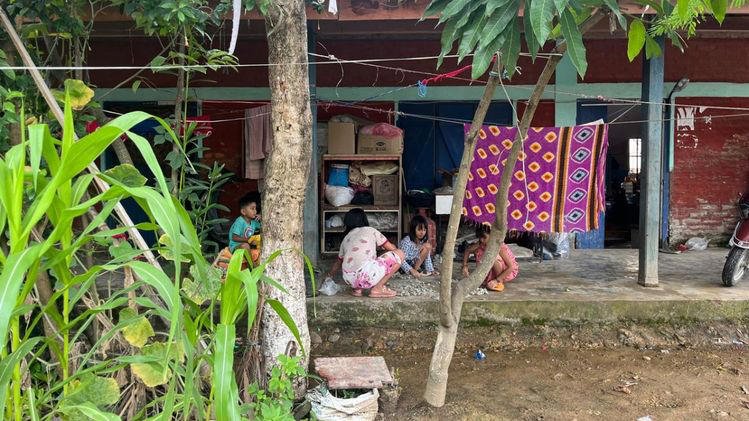
The long-awaited child policy in Manipur remains pending even as the ongoing crisis continues to affect children across the state. Experts and child rights activists have raised concerns over delays, stating that the absence of a comprehensive policy has left many vulnerable.
The situation has drawn attention to the urgent need for structured interventions. While authorities have introduced some relief measures, stakeholders believe these efforts fall short without a formal policy framework.
Read More: Arunachal Congress Forms Panels to Probe Mining, Highway Issues
Moreover, the crisis has disrupted daily life, including access to education, healthcare, and social support systems. As a result, children have faced significant challenges that require immediate attention.
Despite repeated calls for action, progress on the child policy has been slow. This delay has prompted questions about the prioritization of child welfare during times of crisis.
Severe impact on education and well-being
The ongoing unrest in Manipur has severely impacted children’s education. Many schools have faced disruptions, forcing students to miss classes and fall behind academically.
In addition, access to digital learning remains limited in several areas. Therefore, students struggle to continue their studies through alternative means. This gap has widened educational inequalities.
The crisis has also affected children’s mental health. Exposure to uncertainty and instability has created stress and anxiety. Experts warn that prolonged exposure to such conditions can have lasting effects.
Furthermore, children living in relief camps or displaced environments face additional challenges. Limited resources and lack of proper facilities make it difficult to maintain a stable routine.
These factors highlight the urgent need for targeted interventions to support children’s well-being.
Calls from activists and experts for immediate action
Child rights activists and experts have consistently called for the implementation of a comprehensive policy in Manipur. They argue that a structured approach is essential to address the diverse challenges faced by children.
According to them, the policy should focus on key areas such as education, healthcare, protection, and rehabilitation. By addressing these aspects, authorities can provide holistic support.
Moreover, experts emphasize the importance of coordination between government departments. Effective implementation requires collaboration across sectors.
They have also urged authorities to involve local communities and organizations in the process. Such participation can ensure that policies reflect ground realities.
Despite these recommendations, the delay in finalizing the policy continues to be a major concern.
Government measures in place but gaps remain
The government of Manipur has introduced several measures to support affected populations. These include relief camps, healthcare services, and assistance programs.
However, stakeholders believe that these measures lack a long-term vision. Without a comprehensive child policy, efforts remain fragmented and less effective.
Officials have stated that work on the policy is ongoing. They have assured that it will address the needs of children in a comprehensive manner.
At the same time, the urgency of the situation demands quicker action. Delays can lead to further deterioration of conditions for children.
Therefore, bridging the gap between immediate relief and long-term planning is crucial.
Importance of a comprehensive child policy
A well-defined child policy can play a critical role in addressing the challenges faced by children in Manipur. It can provide a framework for coordinated action and ensure that resources are used effectively.
Such a policy can also establish clear guidelines for protection and support. This includes measures to prevent exploitation, ensure access to education, and promote overall well-being.
Moreover, it can help in monitoring and evaluating progress. By setting measurable targets, authorities can track improvements and identify areas that need attention.
Experts believe that a comprehensive approach is essential for sustainable development. Investing in children’s welfare contributes to long-term social stability.
Role of communities and organizations
Communities and non-governmental organizations have played a vital role in supporting children during the crisis. They have provided essential services, including education support and counseling.
In Manipur, local initiatives have helped bridge gaps left by limited resources. Volunteers have worked tirelessly to assist children in need.
However, these efforts require support from the government to achieve larger impact. Collaboration between authorities and organizations can strengthen response mechanisms.
In addition, community involvement ensures that interventions are culturally sensitive and relevant. This approach enhances the effectiveness of programs.
The role of civil society highlights the importance of collective action in addressing challenges.
Urgent need for policy implementation
The delay in implementing the child policy in Manipur underscores the need for urgent action. Stakeholders have stressed that children cannot afford to wait for prolonged periods.
Immediate steps are required to finalize and implement the policy. This includes allocating resources, setting timelines, and establishing accountability mechanisms.
Furthermore, regular monitoring is essential to ensure that the policy achieves its objectives. Feedback from stakeholders can help refine strategies.
The crisis has made it clear that reactive measures are not enough. A proactive and structured approach is necessary to address ongoing challenges.
A critical moment for child welfare in Manipur
The situation in Manipur represents a critical moment for child welfare. The ongoing crisis has exposed gaps in existing systems and highlighted the need for stronger frameworks.
While efforts have been made to provide relief, the absence of a comprehensive policy remains a significant concern. Addressing this gap is essential for ensuring the safety and well-being of children.
The coming months will be crucial in determining how authorities respond to these challenges. By prioritizing child welfare, the state can work towards a more stable and secure future.
Ultimately, the implementation of a robust child policy will not only address immediate needs but also lay the foundation for long-term development.
Read More: TTAADC Election Results Counting Begins Under Tight Security