

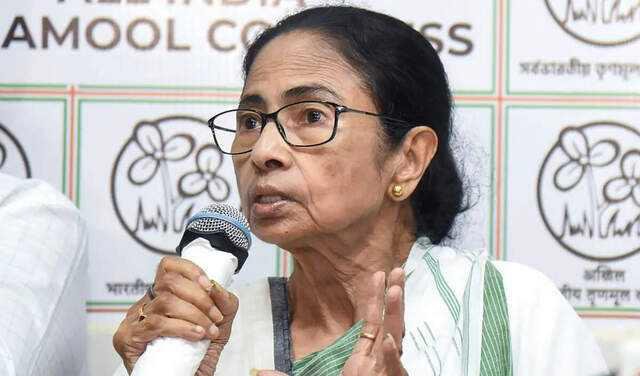
Mamata Banerjee officially completed her tenure as Chief Minister after the Governor of West Bengal dissolved the state cabinet following the conclusion of the government’s term. The development marks a major political transition in the state after years of Trinamool Congress rule under Mamata Banerjee’s leadership.
Officials confirmed that the governor accepted the end of the council of ministers and initiated the constitutional process related to government transition. The move came after the conclusion of the assembly term and the completion of electoral procedures in the state.
Political leaders, party workers, and observers across West Bengal closely watched the development because it signalled the formal end of Mamata Banerjee’s tenure as Chief Minister.
The political atmosphere in the state has remained highly charged in recent weeks following the election results and growing political activity among major parties.
Read More: Kuki Students’ Body Condemns Manipur Village Arson Attack
West Bengal cabinet dissolved after tenure ends
The dissolution of the West Bengal cabinet formally ended the tenure of the Mamata Banerjee-led government. According to officials, the governor completed the constitutional process after receiving the necessary recommendations related to government transition.
The development comes at an important moment in West Bengal politics as parties prepare for the next phase of governance and political realignment in the state.
Political analysts noted that the dissolution of the cabinet represents a routine constitutional process after the completion of a government’s term. However, the development carries major political significance because of the long and influential tenure of Mamata Banerjee in the state.
Leaders from different political parties reacted strongly to the latest development. While Trinamool Congress supporters praised Mamata Banerjee’s leadership record, opposition parties described the transition as the beginning of a new political phase in West Bengal.
Observers believe the state may now witness intense political activity as parties prepare for future administrative and organisational decisions.
Mamata Banerjee’s political journey remains significant
Mamata Banerjee has remained one of India’s most prominent regional political leaders for more than a decade. Her leadership transformed the political landscape of West Bengal after the Trinamool Congress ended the long rule of the Left Front in the state.
Under her leadership, the Trinamool Congress expanded its political influence across urban and rural districts. The party also built strong grassroots networks that helped it remain a dominant force in West Bengal politics for several years.
Supporters often credited Mamata Banerjee for welfare schemes, social initiatives, and regional political mobilisation. At the same time, opposition parties frequently criticised her government over issues related to governance, law and order, and political violence.
Political experts noted that Mamata Banerjee’s tenure significantly shaped modern politics in West Bengal. Therefore, the formal end of her government’s term carries symbolic importance beyond routine administrative procedures.
Several party workers and supporters gathered at different locations to express support for the Trinamool Congress leadership following the cabinet dissolution.
Political reactions intensify after development
The dissolution of the West Bengal cabinet triggered strong reactions from political parties across the state. Leaders from the BJP, Congress, Left parties, and Trinamool Congress issued statements regarding the latest political development.
Opposition leaders described the transition as an opportunity for political restructuring and administrative change in West Bengal. Some leaders claimed the state now requires a fresh governance approach focused on development and transparency.
Meanwhile, Trinamool Congress leaders defended the record of the outgoing government and highlighted welfare initiatives introduced during Mamata Banerjee’s tenure.
Party supporters also praised her role in strengthening regional politics and protecting the interests of West Bengal at the national level.
Political analysts believe the changing political environment may influence future alliance discussions, organisational strategies, and leadership decisions in the state.
Observers also noted that political tensions may remain high in the coming months because of upcoming local body and municipal-level political activities.
Constitutional process followed by governor
Officials said the governor followed constitutional procedures while dissolving the West Bengal cabinet after the completion of the government’s term.
Governors in Indian states play an important constitutional role during government transitions, especially after elections or completion of assembly terms. The process generally includes acceptance of resignations, dissolution of the council of ministers, and facilitating the formation of a new government.
Political experts explained that such transitions remain essential components of parliamentary democracy and constitutional governance.
Authorities also stated that administrative continuity and law-and-order arrangements remain priorities during periods of political transition.
Senior officials continue monitoring governance-related matters while political parties prepare for the next phase of government formation and administrative changes.
Political future of Trinamool Congress under focus
The political future of the All India Trinamool Congress (TMC) has now become a major subject of discussion after the end of Mamata Banerjee’s tenure.
Political analysts believe the party may now focus on organisational restructuring, leadership planning, and electoral strategy for upcoming political contests.
Despite political challenges, the Trinamool Congress continues maintaining a strong support base in many parts of West Bengal. Therefore, observers expect the party to remain a major force in state politics.
At the same time, opposition parties are likely to intensify efforts to expand their influence across different districts and voter groups.
The BJP has particularly strengthened its political presence in West Bengal over the past few years, creating intense competition between major parties.
Experts believe future elections in the state may witness sharper political campaigns and increased alliance negotiations.
West Bengal enters new political phase
The formal dissolution of the cabinet marks the beginning of a new political phase in West Bengal. Political parties are now expected to focus on government formation, administrative planning, and future electoral strategies.
Observers believe the coming weeks may witness major political developments as parties adjust to the changing political environment.
Supporters of Mamata Banerjee described her tenure as historic and praised her contribution to regional politics and welfare governance. Meanwhile, opposition parties argued that the transition provides an opportunity for political renewal in the state.
The end of Mamata Banerjee’s tenure also carries national political significance because she has remained an influential opposition leader in Indian politics.
As West Bengal moves into the next stage of political transition, leaders, party workers, and citizens across the state continue closely watching the evolving political situation and its impact on governance and future electoral dynamics.
Read More: Assam Rifles Recover Arms Cache In Manipur’s Senapati