

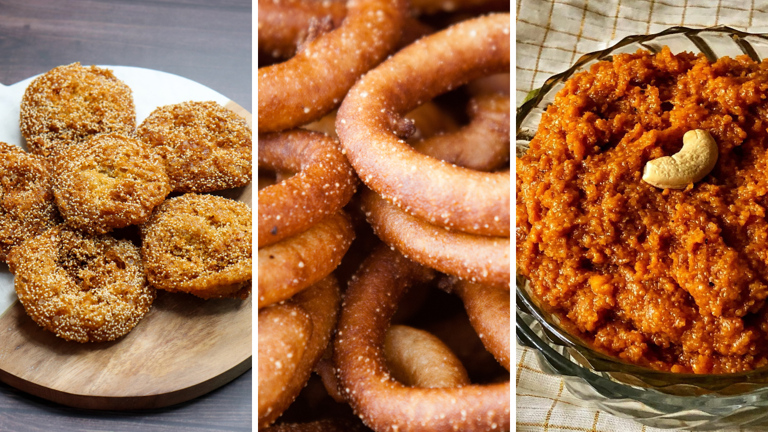
India is widely known for its rich and diverse dessert culture. Popular sweets such as gulab jamun, jalebi, rasgulla, and kaju katli often dominate festive menus and sweet shops across the country. However, beyond these well-known delicacies lies a fascinating world of lesser-known traditional sweets that remain deeply rooted in regional cultures.
Many of these desserts originated in small towns or villages and are prepared mainly during local festivals and family celebrations. They often use simple ingredients such as jaggery, coconut, rice flour, and ghee, yet they offer unique textures and flavors.
Exploring these lesser-known sweets reveals the incredible diversity of India’s culinary traditions. Here are seven traditional Indian sweets you may have never heard of but should definitely try.
Read More: Pulwama’s first IAS officer: How Tawseef Ahmad Ganie secured AIR 254 in UPSC
Thekua from Bihar and Jharkhand
Thekua is a traditional sweet widely prepared in the eastern states of Bihar and Jharkhand. It is especially associated with the Chhath Puja festival, where devotees prepare the sweet as an offering during prayers.
This dessert is made from wheat flour, jaggery or sugar, ghee, and sometimes grated coconut. The dough is shaped into small discs or decorative patterns before being deep-fried until golden brown.
Thekua has a crisp texture on the outside and a slightly soft interior. Its flavor comes from jaggery and aromatic spices such as cardamom.
Unlike many sweets that spoil quickly, thekua has a longer shelf life. Because of this, families often prepare large batches during festivals.
Patishapta from West Bengal
Patishapta is a beloved traditional sweet from West Bengal and is commonly prepared during the harvest festival of Poush Sankranti.
The sweet resembles a thin crepe or pancake made from rice flour, semolina, and flour batter. The crepe is filled with a sweet mixture typically made of coconut, jaggery, and sometimes khoya.
After cooking, the crepe is rolled into a cylindrical shape and served warm.
The combination of soft pancake and rich coconut filling creates a delightful dessert with balanced sweetness. Patishapta highlights Bengal’s love for coconut and jaggery-based sweets.
Although widely known in Bengal, many people in other parts of India have never tasted this traditional treat.
Kharvas from Maharashtra
Kharvas is a unique sweet dish popular in Maharashtra and some parts of Karnataka. It is prepared using colostrum milk, which is the first milk produced by cows or buffaloes after giving birth.
The milk is mixed with sugar and flavored with cardamom or saffron. The mixture is then steamed until it sets into a soft, pudding-like texture.
Kharvas has a delicate flavor and a creamy consistency that melts in the mouth.
Because colostrum milk is available only for a short time, this sweet is considered rare and seasonal.
Its preparation reflects traditional rural practices and highlights how local communities creatively use natural ingredients.
Chhena Poda from Odisha
Chhena Poda is a famous yet lesser-known sweet from Odisha. The name literally means “burnt cheese,” referring to the caramelized outer layer created during baking.
The dessert is made from chhena (fresh cottage cheese), sugar, semolina, and cardamom. The mixture is baked until the top develops a dark caramelized crust while the inside remains soft and moist.
The caramelization adds a slightly smoky flavor that makes the sweet unique.
Chhena Poda holds cultural importance in Odisha and is often prepared during festivals and temple offerings.
Many food historians consider it one of the earliest baked desserts in Indian cuisine.
Sanna from Goa
Sanna is a soft and fluffy sweet dish from Goa that resembles steamed rice cakes. It is traditionally served during festivals, weddings, and special occasions.
The dish uses fermented rice batter combined with coconut milk and sometimes jaggery. The batter is steamed in small moulds to create light, airy cakes.
Although sanna often accompanies savory Goan dishes, sweet versions are also popular.
The fermentation process gives the cakes a slightly tangy flavor that balances the sweetness.
This dessert showcases the influence of coastal ingredients such as rice and coconut in Goan cuisine.
Adhirasam from Tamil Nadu
Adhirasam is a traditional sweet from Tamil Nadu that has been prepared for centuries. It is especially popular during festivals like Diwali.
The sweet uses rice flour and jaggery syrup as its main ingredients. The dough is shaped into flat discs and deep-fried in ghee or oil.
Adhirasam has a chewy texture and a rich jaggery flavor enhanced by cardamom.
Preparing this sweet requires careful timing and skill because the jaggery syrup must reach the right consistency before mixing with rice flour.
Families often pass down the recipe through generations, preserving the traditional method of preparation.
Khaja from Andhra Pradesh
Khaja is a layered sweet pastry popular in Andhra Pradesh and parts of Odisha. It is known for its crispy texture and light sweetness.
The sweet consists of layers of dough that are deep-fried and then dipped in sugar syrup.
As the layers separate during frying, they create a delicate flaky structure similar to pastry.
Khaja is often prepared during festivals and religious celebrations. The sweet also holds importance in temple offerings in some regions.
Its crunchy texture and syrup coating make it a favorite among those who enjoy crisp desserts.
Preserving India’s sweet traditions
These traditional sweets highlight the incredible diversity of India’s culinary heritage. Each dessert reflects the ingredients, climate, and cultural traditions of its region.
Many of these sweets remain relatively unknown outside their local areas. However, they represent centuries of culinary creativity and family traditions.
As modern lifestyles and global food trends evolve, preserving these traditional recipes becomes increasingly important.
Trying regional sweets not only introduces new flavors but also helps keep cultural traditions alive.
Exploring India’s lesser-known desserts reveals that the country’s sweet culture extends far beyond the familiar treats found in most sweet shops.
Read More: Tripura Transport Minister Reviews Key Infrastructure Projects