

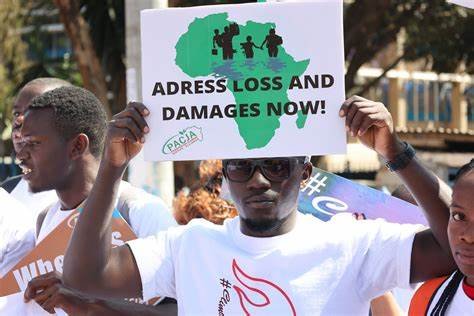
The African Union (AU) has taken a bold step toward addressing the global climate crisis by advocating for legal accountability at the International Court of Justice (ICJ). During a recent session in The Hague, AU representatives and other UN member states called for nations to be held responsible for significant environmental harm caused by their contributions to climate change. This unprecedented move aims to use international law as a tool to ensure justice and drive meaningful climate action on a global scale.
The Context of the Call for Accountability
The AU’s intervention comes at a critical juncture when the adverse impacts of climate change are becoming increasingly unmanageable, particularly for developing nations. Countries across Africa, which contribute minimally to global greenhouse gas emissions, are disproportionately affected by rising temperatures, severe droughts, and destructive floods. These climatic changes have led to food insecurity, displacement, and economic instability across the continent.
The ICJ’s involvement represents a shift toward addressing the inequities embedded in the global climate framework. Historically, wealthier nations, which are the largest emitters of carbon dioxide, have faced limited accountability for their environmental impact. African nations, along with other vulnerable countries, argue that international legal measures could establish clearer responsibilities for mitigating and financing climate adaptation efforts.
AU’s Key Demands at the ICJ
During the hearing, the AU emphasized the principle of “common but differentiated responsibilities” (CBDR), which underpins most international climate agreements. This principle recognizes that while all nations share the obligation to combat climate change, wealthier countries bear greater responsibility due to their historical emissions.
The AU is pushing for the ICJ to deliver an advisory opinion that clarifies the legal obligations of nations under international law. Such a ruling would provide a framework for attributing liability and compelling polluting nations to compensate for climate-related damages. It could also strengthen mechanisms like the Loss and Damage Fund, established at COP27, which aims to support vulnerable countries coping with the consequences of climate change.
Global Support and Opposition
The AU’s proposal has garnered support from many developing nations and climate advocacy groups worldwide. These groups view the initiative as a significant step toward achieving climate justice and ensuring that developed countries adhere to their commitments under agreements like the Paris Accord.
However, opposition exists. Some developed nations argue that assigning legal liability could undermine international cooperation on climate action. They warn that focusing on reparations and penalties may politicize climate negotiations and hinder progress on collaborative solutions.
Implications for International Law and Climate Action
If the ICJ rules in favor of the AU’s demands, it could set a powerful precedent, influencing international policy and legal practices. A legally binding framework could accelerate the implementation of emissions reductions, ensure adequate climate financing, and provide a basis for holding corporations accountable for environmental degradation.
Such a ruling could also amplify the voices of indigenous and marginalized communities, who have been historically excluded from climate decision-making processes. By recognizing the disproportionate impact of climate change on vulnerable populations, the ICJ could pave the way for more inclusive and equitable climate policies.
The Broader Impact on Africa and Beyond
For Africa, the ICJ ruling could mean enhanced access to financial resources for climate adaptation and mitigation. Many African nations face significant challenges in transitioning to renewable energy, protecting biodiversity, and building climate-resilient infrastructure. Legal accountability could compel wealthier nations to deliver on their financial pledges, bridging the gap between promises and action.
Beyond Africa, this initiative could reshape global climate governance by redefining the relationship between environmental protection and human rights. Climate change is increasingly recognized as a human rights issue, affecting access to water, food, and shelter. A favorable ICJ ruling would affirm this connection, reinforcing the urgency of collective action to address the climate crisis.
A Call to Action
The AU’s push for climate accountability underscores the need for systemic change in how the world addresses environmental challenges. It highlights the importance of equity and justice in global climate negotiations, ensuring that the burden of mitigation does not fall disproportionately on those least responsible for the crisis.
As the ICJ deliberates on this issue, the world watches closely. The outcome has the potential to transform the international response to climate change, marking a turning point in the fight for a sustainable and just future.