

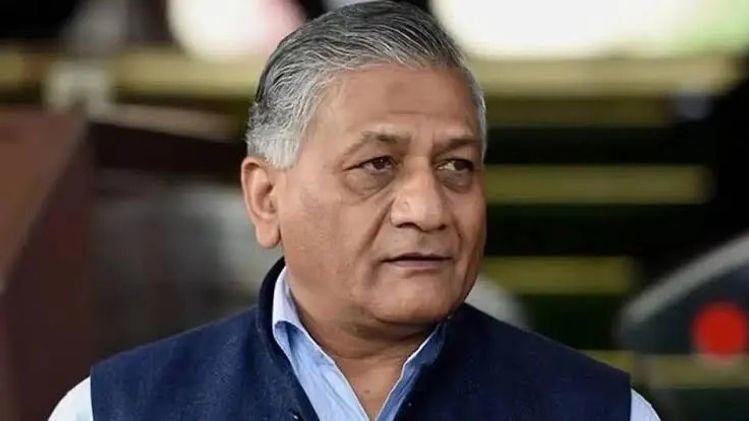
Mizoram Governor has emphasized the critical role of agriculture in achieving the vision of Viksit Bharat 2047, stating that the sector can serve as a powerful engine of economic transformation, rural prosperity, and sustainable development. Addressing an event focused on agricultural advancement and rural development, the Governor highlighted the importance of strengthening the agricultural sector to support India’s long-term growth aspirations.
The Governor noted that agriculture continues to be the backbone of the Indian economy, providing livelihoods to millions of people and contributing significantly to food security. As the country moves towards its goal of becoming a developed nation by 2047, the agriculture sector will play an increasingly important role in ensuring inclusive and balanced growth.
According to the Governor, transforming agriculture through innovation, technology, and sustainability can help create opportunities for farmers while strengthening the country’s economic foundation.
The remarks reflect a growing emphasis on modernizing agriculture and positioning it as a key contributor to India’s development journey.
Agriculture Remains the Foundation of Rural Economy
The Governor stressed that agriculture remains central to the lives of millions of people, particularly in rural areas. Despite rapid industrialization and urbanization, farming continues to support livelihoods and sustain local economies across the country.
In states such as Mizoram, agriculture plays an especially important role in social and economic development. The sector not only provides employment but also supports food production, cultural traditions, and community well-being.
The Governor observed that strengthening agricultural productivity and profitability can have a direct impact on rural prosperity. Improved incomes for farmers often contribute to better living standards, greater access to education and healthcare, and enhanced economic opportunities.
Officials believe that investments in agriculture can create multiplier effects that benefit multiple sectors of the economy. Rural development and agricultural growth remain closely interconnected.
The Governor emphasized that empowering farmers should remain a priority in efforts to build a developed and self-reliant India.
Vision of Viksit Bharat 2047
The vision of Viksit Bharat 2047 aims to transform India into a developed nation by the centenary of its independence. Achieving this goal requires progress across various sectors, including infrastructure, education, healthcare, technology, manufacturing, and agriculture.
The Governor highlighted that agriculture must be viewed not merely as a traditional occupation but as a modern and dynamic sector capable of driving economic transformation. By adopting scientific methods and embracing innovation, agriculture can become more productive, resilient, and competitive.
The Governor stated that a developed India must ensure prosperity reaches all sections of society, including rural communities. Agricultural development can help bridge economic disparities while promoting inclusive growth.
Experts have repeatedly noted that sustainable agricultural growth is essential for achieving broader national development objectives. The Governor echoed this perspective and called for collective efforts to strengthen the sector.
The remarks underscored agriculture’s importance within the larger framework of India’s development vision.
Technology and Innovation Key to Transformation
The Governor emphasized that technology and innovation will play a crucial role in the future of agriculture. Modern farming practices, digital solutions, precision agriculture, and scientific research can significantly improve productivity and efficiency.
Technological advancements have already transformed agricultural practices in many parts of the world. Tools such as remote sensing, data analytics, smart irrigation systems, and improved crop varieties offer opportunities to enhance yields while conserving resources.
The Governor encouraged farmers and agricultural institutions to embrace innovation and adopt modern techniques that improve sustainability and profitability.
Research and development remain important components of agricultural transformation. Scientists and agricultural experts continue to develop solutions that address challenges related to climate change, pest management, and resource efficiency.
Officials believe that stronger collaboration among researchers, policymakers, and farmers can accelerate the adoption of innovative practices and support long-term agricultural growth.
Importance of Sustainable Farming Practices
Sustainability emerged as a key theme in the Governor’s remarks. He stressed that agricultural growth must be achieved without compromising environmental health and natural resources.
Climate change, soil degradation, water scarcity, and biodiversity loss have created new challenges for the agriculture sector. Sustainable farming practices can help address these concerns while ensuring long-term productivity.
The Governor highlighted the importance of resource-efficient agriculture, soil conservation, water management, and environmentally responsible cultivation methods. Such approaches can strengthen resilience and support future food security.
Mizoram has increasingly focused on promoting sustainable agricultural practices that align with ecological conservation goals. The Governor noted that environmental stewardship and agricultural development should go hand in hand.
By adopting sustainable approaches, farmers can contribute to both economic growth and environmental protection.
Empowering Farmers Through Knowledge and Support
The Governor emphasized that farmers remain the driving force behind agricultural development. Supporting them through education, training, and access to resources is essential for achieving transformation.
Capacity-building initiatives can help farmers understand new technologies, improve farm management practices, and access market opportunities. Knowledge dissemination plays a critical role in enhancing agricultural productivity and profitability.
The Governor called for stronger extension services and greater interaction between agricultural experts and farming communities. Such engagement can help farmers make informed decisions and adopt best practices.
Access to quality inputs, financial services, and market linkages also remains important. Farmers require a supportive ecosystem that enables them to maximize returns from their efforts.
Officials believe that empowering farmers through knowledge and institutional support will strengthen the agricultural sector and contribute to broader economic development.
Agriculture and Rural Entrepreneurship
The Governor also highlighted the growing importance of agricultural entrepreneurship. Modern agriculture extends beyond cultivation and includes value addition, food processing, packaging, marketing, and agribusiness development.
These activities create opportunities for income generation and employment, particularly for young people. Rural entrepreneurship can contribute significantly to economic diversification and local development.
The Governor encouraged youth to explore opportunities in agriculture and allied sectors. By combining innovation with entrepreneurship, young professionals can help modernize the agricultural economy.
Value-added agricultural products often command higher market prices and create stronger economic linkages. Expanding such activities can improve farmer incomes and strengthen rural economies.
Officials see agribusiness development as an important component of India’s journey towards becoming a developed nation.
Strengthening Food Security and Economic Growth
Agriculture plays a fundamental role in ensuring food security and supporting economic stability. The Governor noted that a strong agricultural sector helps guarantee access to food while contributing to national growth.
Population growth and changing consumption patterns will continue to increase demand for agricultural products. Meeting this demand requires improvements in productivity, efficiency, and sustainability.
The Governor emphasized that agricultural advancement can strengthen economic resilience and reduce vulnerabilities associated with food supply disruptions. Investments in the sector therefore carry both economic and social significance.
Food security remains a critical component of national development. A productive and resilient agricultural sector can help ensure that future generations have access to adequate nutrition and resources.
Officials believe that continued focus on agricultural development will support India’s broader economic aspirations.
Agriculture as a Catalyst for a Developed India
The Governor’s remarks highlighted agriculture’s enduring importance in India’s development journey. As the nation works towards the vision of Viksit Bharat 2047, the sector has the potential to drive economic growth, rural transformation, and social progress.
By embracing innovation, sustainability, and entrepreneurship, agriculture can become a catalyst for inclusive development. Investments in technology, research, farmer empowerment, and resource management will play a crucial role in achieving this transformation.
The Governor emphasized that success will require collaboration among governments, research institutions, farmers, businesses, and communities. Together, these stakeholders can create a stronger and more resilient agricultural ecosystem.
For Mizoram and the rest of India, agriculture represents more than a source of livelihood. It is a foundation for economic prosperity, food security, and national development. The Governor’s vision underscores the belief that a vibrant and modern agricultural sector can help shape the path towards a developed India by 2047.