

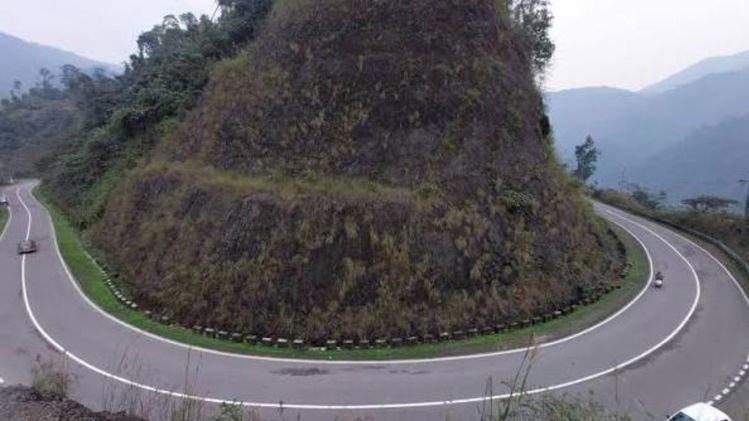
In a significant move aimed at preserving the natural beauty of one of Arunachal Pradesh’s most scenic tourist routes, the East Siang district administration has imposed a ban on littering along the Raneghat–Pongging viewpoint highway. The decision reflects the administration’s commitment to environmental conservation, sustainable tourism, and maintaining the ecological integrity of the region.
The order comes amid growing concerns over the accumulation of plastic waste, food packaging, disposable bottles, and other litter along the highway frequented by tourists, local residents, and commuters. Officials stated that maintaining cleanliness along the route is essential to preserving the area’s pristine landscape and protecting its rich biodiversity.
The administration has urged both visitors and residents to cooperate fully in ensuring that the highway remains clean and environmentally sustainable.
Protecting a Popular Tourist Destination
The Raneghat–Pongging viewpoint highway is known for its breathtaking panoramic views, lush green hills, winding roads, and picturesque landscapes that attract nature lovers and tourists throughout the year. Increasing tourist footfall has also resulted in a rise in littering, prompting authorities to adopt stricter environmental measures.
District officials observed that irresponsible disposal of waste not only diminishes the area’s scenic beauty but also threatens wildlife, contaminates water sources, and damages fragile ecosystems.
By enforcing the littering ban, the administration aims to ensure that visitors can continue enjoying the region’s natural attractions in a clean and well-preserved environment.
Officials believe that protecting tourism destinations also contributes to the district’s long-term economic development.
Strict Action Against Violators
The district administration has made it clear that individuals found violating the anti-littering order may face action in accordance with applicable legal provisions and local regulations. Officials have instructed enforcement agencies and concerned departments to closely monitor the highway and ensure strict compliance with the new directive.
Authorities have emphasised that the objective of the order is not merely punitive but preventive, encouraging responsible behaviour among tourists and local residents alike.
Regular inspections and monitoring will be conducted to discourage littering and promote greater environmental discipline along the route.
The administration has appealed to the public to treat public spaces with respect and dispose of waste responsibly.
Promoting Sustainable Tourism
The anti-littering initiative forms part of broader efforts to promote sustainable tourism in East Siang district. Officials believe that maintaining clean tourist destinations enhances visitor experiences while protecting the environment for future generations.
Sustainable tourism focuses on balancing economic benefits with environmental conservation and community participation. The administration has encouraged visitors to minimise plastic usage, avoid dumping waste, and use designated disposal facilities whenever available.
Responsible tourism practices not only preserve natural landscapes but also strengthen the reputation of destinations as environmentally conscious travel locations.
Authorities hope the initiative will inspire greater environmental responsibility among both visitors and tourism stakeholders.
Environmental Conservation Takes Priority
The East Siang district administration has consistently emphasised environmental protection as an important component of local governance. The district’s forests, rivers, hills, and biodiversity represent valuable natural resources that require careful preservation.
Improper waste disposal, especially plastic pollution, poses serious risks to wildlife, soil quality, and water bodies. Officials noted that discarded plastic materials often remain in the environment for years, causing long-term ecological damage.
The new restrictions aim to minimise such impacts while encouraging cleaner public spaces and healthier ecosystems.
The administration has reiterated that environmental conservation is a shared responsibility requiring active participation from every citizen.
Public Awareness and Community Participation
Alongside enforcement measures, the district administration plans to strengthen public awareness regarding responsible waste management and environmental stewardship. Educational campaigns, community outreach programmes, and awareness drives are expected to encourage greater public participation in maintaining cleanliness.
Officials have urged local residents, business owners, transport operators, tourists, educational institutions, and community organisations to actively support the initiative.
Community participation is considered essential for ensuring the long-term success of environmental conservation programmes.
Authorities believe that behavioural change through awareness is equally important as regulatory enforcement in creating cleaner public spaces.
Encouraging Responsible Waste Disposal
The administration has advised visitors travelling along the Raneghat–Pongging viewpoint highway to carry reusable containers wherever possible and avoid leaving behind plastic bottles, food wrappers, disposable cups, or other waste materials.
Travellers have been encouraged to use designated dustbins and carry back waste if disposal facilities are unavailable nearby.
Officials also appealed to commercial establishments operating along the highway to adopt environmentally responsible waste management practices while discouraging the use of single-use plastics.
These collective efforts are expected to significantly reduce litter accumulation across the scenic route.
Supporting Clean and Green Arunachal
The latest initiative aligns with broader efforts across Arunachal Pradesh to promote environmental sustainability and maintain the state’s reputation as one of India’s most ecologically rich regions.
Clean roads, protected forests, unpolluted rivers, and well-maintained tourist destinations contribute to both environmental conservation and economic growth through eco-tourism.
Officials noted that preserving natural landscapes is particularly important in a state where tourism increasingly depends on pristine environments and unique ecological attractions.
The East Siang administration hopes that the anti-littering campaign will serve as a model for similar initiatives in other districts.
Citizens Asked to Become Environmental Partners
District authorities have appealed to every resident and visitor to become active partners in protecting East Siang’s natural heritage. Rather than relying solely on enforcement, officials emphasised the importance of voluntary public cooperation in maintaining cleanliness and environmental discipline.
Simple actions such as carrying reusable bags, avoiding plastic litter, disposing of waste responsibly, and encouraging others to follow environmentally friendly practices can collectively make a significant difference.
The administration believes that lasting environmental protection depends upon responsible behaviour becoming a part of everyday public life.
Towards a Cleaner and Sustainable Future
The East Siang district administration’s decision to ban littering along the Raneghat–Pongging viewpoint highway represents an important step towards preserving one of Arunachal Pradesh’s most scenic landscapes. By combining stricter enforcement with public awareness and community participation, the initiative seeks to protect the region’s biodiversity, enhance tourism, and promote sustainable environmental practices.
As visitor numbers continue to grow, maintaining clean and pollution-free destinations will remain essential for safeguarding Arunachal Pradesh’s ecological wealth. The administration’s proactive approach demonstrates its commitment to balancing tourism development with environmental conservation, ensuring that the breathtaking beauty of the Raneghat–Pongging viewpoint highway can be enjoyed by future generations while reinforcing the importance of collective responsibility in protecting nature.