

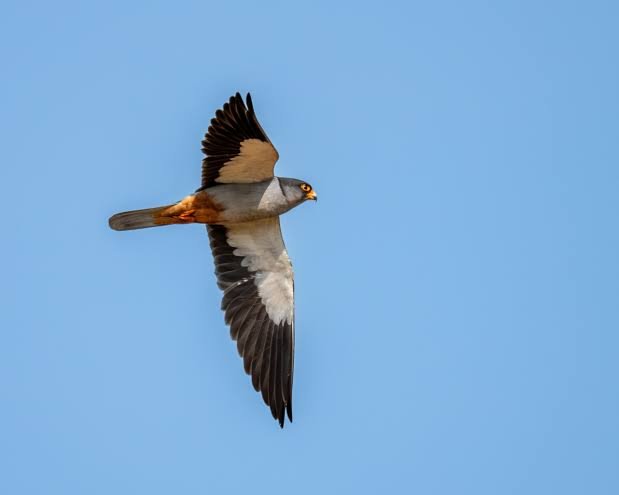
Assam has introduced restrictions on unauthorised drone flights near important Amur Falcon roosting sites. The Assam Forest Department issued the measure to protect migratory birds from unnecessary disturbance during their seasonal stay. The restriction covers recreational, commercial and other non-essential drone activities without official permission. It also addresses unauthorised photography and videography around identified congregation areas. The move focuses on protecting the birds and maintaining suitable conditions at their roosting locations. Meanwhile, the department has identified sites in Dima Hasao and Morigaon districts for particular attention.
Naga Ancestral Remains Set for Historic Homecoming from Oxford
Forest Department Issues Drone Restrictions
The Assam Forest Department issued an order restricting unauthorised drone operations near Amur Falcon congregation and roosting sites. The directive aims to prevent human activities from disturbing the migratory birds.
Under the order, operators cannot conduct recreational or commercial drone flights without permission. The restriction also covers non-essential aerial photography and videography.
Furthermore, authorities have included identified roosting areas within the restricted zone. Officials can take action against unauthorised activities under applicable rules.
The department’s decision highlights the need for responsible behaviour around sensitive wildlife habitats. It also encourages visitors and content creators to follow official instructions.
Umrangso and Dharamtul Among Protected Locations
The restrictions specifically identify important Amur Falcon locations in Assam. These include Umrangso in Dima Hasao district and Dharamtul in Morigaon district.
Both areas attract attention during the migratory season. Amur Falcons travel thousands of kilometres between their breeding grounds and wintering destinations.
During migration, the birds gather in large numbers at suitable resting and roosting locations. Therefore, protecting these sites remains important for their seasonal movement.
Meanwhile, drone activity can create unnecessary disturbance near bird congregations. Sudden noise and repeated aerial movements may cause birds to leave their resting areas.
Consequently, the forest department has restricted unauthorised flights to reduce such risks.
Amur Falcons Undertake Long-Distance Migration
The Amur Falcon is a small migratory raptor known for its remarkable seasonal journey. The species breeds in eastern Asia, particularly in parts of China and southeastern Russia.
After the breeding season, the birds travel towards southern Africa. Their migration includes a major crossing over the Arabian Sea.
The journey makes the species one of the most remarkable long-distance migratory birds. Moreover, large congregations in Northeast India attract birdwatchers and wildlife researchers.
Nagaland and Manipur also record important seasonal Amur Falcon gatherings. In Assam, locations such as Umrangso and Dharamtul provide additional opportunities to observe the species.
However, these gatherings require careful protection. Human disturbance can affect the birds’ resting behaviour and habitat use.
Drone Activity Can Disturb Migratory Birds
Drones provide useful tools for photography, research and monitoring. However, their operation near wildlife requires careful regulation.
Birds may react to unfamiliar flying objects, particularly when drones approach their roosting trees. Repeated flights can interrupt resting and feeding activities.
Additionally, sudden movements may cause birds to disperse. Such disturbances can create unnecessary stress during an important stage of migration.
The Assam Forest Department’s restrictions seek to reduce these risks. By controlling unauthorised flights, officials can limit avoidable interference around sensitive locations.
At the same time, the order does not necessarily prevent every form of aerial activity. Operators must obtain the required permission before conducting any activity covered by the restrictions.
Wildlife Protection Requires Public Cooperation
Forest officials cannot protect migratory birds through enforcement alone. Local communities, tourists, photographers and researchers also play an important role.
Visitors should maintain a safe distance from roosting trees. They should avoid loud sounds, sudden movements and activities that may disturb bird congregations.
Similarly, photographers should use suitable equipment from designated observation areas. They should not approach nesting or resting locations to capture close-up images.
Moreover, residents can support conservation by reporting suspicious activities. Local awareness can help authorities identify potential threats more quickly.
Responsible tourism can also support conservation awareness. However, visitor activities must respect restrictions imposed by forest authorities.
Assam Strengthens Its Migratory Bird Conservation Efforts
Amur Falcon protection has become an important conservation subject across Northeast India. The species’ seasonal arrival attracts national and international attention.
In recent years, conservation initiatives have focused on reducing hunting and protecting communal roosting locations. Community participation has also helped strengthen awareness.
Assam’s drone restrictions add another layer to these protection efforts. They address a specific source of disturbance that can arise during the birdwatching season.
Furthermore, the order reinforces the importance of regulating modern technology around wildlife habitats. Drone operators must consider environmental rules before flying near sensitive locations.
The department’s reported estimate of more than one lakh Amur Falcons also highlights the scale of seasonal congregation. However, bird numbers can change with migration patterns and observation periods.
Restrictions Remain Linked to the Birds’ Seasonal Stay
The department’s directive applies while the birds remain at the identified locations or until authorities issue further orders. Therefore, the restrictions follow the seasonal conservation needs of the species.
Drone operators should check with the local forest authorities before planning aerial activities. They should also follow any additional instructions issued for protected areas.
Meanwhile, residents and visitors can help by respecting the restricted zones. Such cooperation can reduce disturbance and support wildlife protection.
The seasonal nature of the order also allows authorities to respond to changing conditions. Officials can review restrictions as the birds arrive, gather and depart.
Conclusion
Assam’s drone restrictions aim to protect Amur Falcons at important migratory roosting sites. The order covers unauthorised recreational, commercial and non-essential drone operations. It also restricts unauthorised aerial photography and videography around identified locations.
Umrangso in Dima Hasao and Dharamtul in Morigaon are among the areas covered. The measure highlights the importance of reducing human disturbance during the birds’ seasonal stay. Public cooperation and responsible wildlife tourism will remain essential for effective conservation.
FAQs
1. Why has Assam restricted drone flights near Amur Falcon sites?
The forest department aims to prevent unauthorised drone activity from disturbing migratory birds at their roosting locations.
2. Which locations in Assam are covered by the restrictions?
The identified locations include Umrangso in Dima Hasao and Dharamtul in Morigaon.
3. Are commercial drone flights also restricted?
Yes. The order covers unauthorised commercial, recreational and non-essential drone operations.
4. Does the restriction cover photography and videography?
Yes. Unauthorised aerial photography and videography also fall under the restrictions.
5. Where do Amur Falcons migrate from and to?
They breed in eastern Asia and migrate towards southern Africa during the non-breeding season.
6. How long will the restrictions remain in force?
The order applies while the birds remain at the identified locations or until further directions from the authorities.