

The Assam Cabinet has approved the Assam Hydrocarbon Exploration, Production and Upstream Ecosystem Development Policy, 2026, in a major move to encourage fresh oil and natural gas exploration across the state. The policy aims to attract investment into areas that have potential hydrocarbon reserves but have remained largely unexplored.
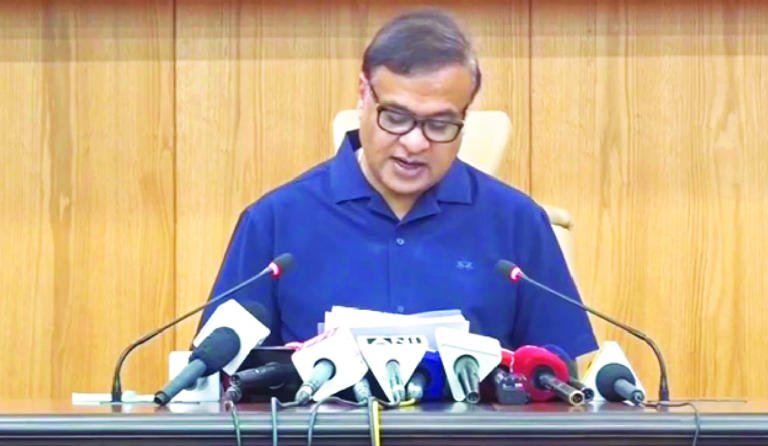
Chief Minister Himanta Biswa Sarma announced the decision after the Cabinet meeting on August 18. He said the government wants to create a more favourable environment for companies to explore new areas. The policy will provide incentives to reduce the financial risks associated with exploration.
The policy comes at a crucial time for Assam’s energy sector. The state has produced crude oil for decades. However, the government says most of the current production comes from older discoveries. New exploration has remained limited in recent years because drilling in unexplored areas can involve substantial financial risks.
Assam Seeks Fresh Oil and Gas Discoveries
The new policy focuses on encouraging companies to search for hydrocarbons in areas where commercial discoveries have not yet taken place. According to Sarma, several parts of Upper Assam may have significant hydrocarbon potential. However, companies have been reluctant to explore these areas because drilling does not guarantee a successful discovery.
Exploration requires large investments in surveys, drilling and related infrastructure. If companies fail to find oil or natural gas, they can lose a significant portion of their investment. The state government therefore wants to share some of this risk and make exploration more attractive.
Sarma said Assam has not made significant new discoveries in recent years because exploration has remained concentrated around existing oil fields. The new policy seeks to change that approach by encouraging companies to look for fresh reserves.
Incentives to Attract Exploration Companies
The Assam government plans to offer incentives to create a more favourable investment environment. These measures could include GST-related rebates and subsidised land lease arrangements for eligible activities.
The government believes such incentives can reduce the initial cost of exploration. They can also encourage companies to consider areas that they might otherwise avoid because of the financial risks involved.
The policy aims to make Assam more attractive to companies involved in oil and gas exploration. It also seeks to strengthen the wider upstream ecosystem around the state’s hydrocarbon industry.
However, the effectiveness of the policy will depend on how quickly companies respond to the incentives. The government will also need to ensure that approvals and other regulatory processes remain efficient.
Concern Over Future Oil Production
One of the main reasons behind the policy is the government’s concern about Assam’s future crude oil production. The state currently produces around four million metric tonnes of crude oil annually, according to Sarma.
The Chief Minister warned that production could begin to decline within the next decade if the state does not discover new reserves. Existing fields cannot continue producing at the same level indefinitely. Therefore, Assam needs new discoveries to maintain its position as an important oil-producing state.
The new policy aims to address this long-term challenge. By encouraging exploration now, the government hopes companies can identify new reserves that will support future production.
This approach also reflects the need for long-term planning in the energy sector. Exploration can take years before a commercial discovery begins production. Starting the process early could therefore help Assam prepare for a potential decline in output from older fields.
Upper Assam Remains a Key Exploration Region
Upper Assam has historically played a major role in the state’s petroleum industry. The region contains some of India’s oldest producing oil fields and remains an important centre for the sector.
The government believes that unexplored or underexplored areas in the region may still contain valuable resources. The new policy aims to encourage companies to investigate these areas through modern exploration technologies.
Improved technology can help companies identify underground geological structures more accurately. Advanced seismic surveys and drilling techniques can also improve the chances of finding commercially viable reserves.
Therefore, the policy is not only about financial incentives. It also seeks to create an ecosystem that can encourage greater investment, technological development and collaboration in the upstream sector.
Policy Valid for Five Years
The Assam Hydrocarbon Exploration, Production and Upstream Ecosystem Development Policy, 2026, will remain valid for five years from the date of notification.
The five-year period gives the government and industry a defined window to implement the policy and assess its results. It also provides companies with greater clarity when planning exploration projects.
During this period, the state will have to monitor exploration activity and assess whether the incentives are producing the desired results. The government may also need to make adjustments based on industry feedback and changing market conditions.
A stable policy framework can help companies make longer-term investment decisions. At the same time, clear rules can help the government balance investment promotion with environmental and regulatory requirements.
Boost to Assam’s Energy Economy
The policy could have wider economic benefits if it leads to new discoveries. More exploration can create demand for specialised services, equipment, transportation and technical expertise.
New commercial discoveries could also generate additional revenue for the state. Increased production can support government finances while strengthening Assam’s role in India’s energy sector.
The development of new oil and gas fields may also create employment opportunities. Local businesses can benefit from increased economic activity around exploration and production sites.
However, the government will need to ensure that economic development does not come at the expense of environmental protection. Oil and gas exploration can have environmental risks, particularly in ecologically sensitive areas.
Focus on Responsible Resource Development
The new policy is aimed at increasing exploration, but responsible resource management will remain important. Assam has several environmentally sensitive landscapes, forests and biodiversity-rich areas.
The government will therefore need to ensure that exploration companies follow environmental regulations and obtain the required approvals. Proper monitoring can reduce the risks associated with drilling and related activities.
The policy’s success will ultimately depend on finding a balance between economic development and environmental protection. Assam needs new energy resources, but it must also protect its natural environment.
A responsible approach can help the state attract investment while maintaining public confidence in hydrocarbon projects.
Government Wants Stronger Upstream Ecosystem
The policy also seeks to develop a stronger upstream ecosystem rather than focusing only on crude oil production. Upstream activities include exploration, drilling and the initial production of oil and natural gas.
A stronger ecosystem can encourage companies to invest in technology, services and supporting infrastructure. It can also create opportunities for local enterprises to participate in the energy sector.
The government wants Assam to remain an important player in India’s oil and gas industry. New discoveries could help strengthen that position and reduce the risk of declining production from older fields.
New Policy Marks Shift in Exploration Strategy
The Assam Cabinet’s approval of the new hydrocarbon policy marks a significant shift in the state’s approach to oil and gas exploration. Instead of concentrating mainly on existing producing areas, the government wants to encourage companies to explore new territories.
The strategy is driven by a simple concern: Assam needs new reserves if it wants to maintain its current production levels in the future.
By offering incentives and creating a more investment-friendly environment, the government hopes to reduce the risks faced by exploration companies. The five-year policy period will provide time to test whether the approach can generate fresh discoveries.
For Assam, the success of the policy could have major economic and strategic implications. New oil and gas reserves could support production, attract investment and create employment.
The immediate challenge, however, will be turning the policy into actual exploration activity. If companies respond positively and new reserves emerge, the initiative could help Assam strengthen its position as one of India’s key hydrocarbon-producing states for years to come.