

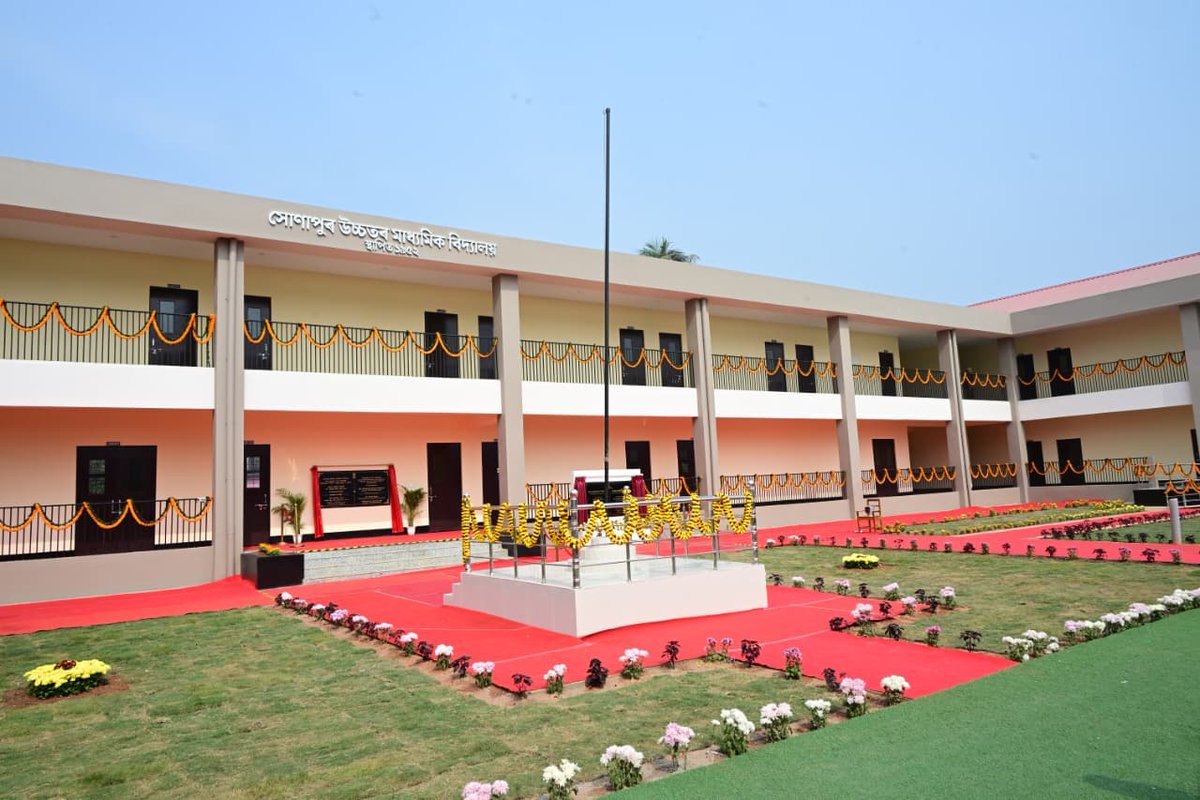
The Assam Education Infrastructure Reforms initiative received renewed momentum after Chief Minister Himanta Biswa Sarma chaired a high-level review meeting focused on improving educational outcomes across the state. The discussions centered on reducing school dropout rates, strengthening access to quality education, and expediting the construction of Government Model Colleges and Tea Garden Model Schools. Officials reviewed ongoing projects, assessed implementation challenges, and outlined strategies to enhance educational infrastructure in underserved regions. The meeting reflects the state government’s broader efforts to improve learning opportunities, increase enrollment retention, and create modern educational institutions capable of supporting long-term human resource development.
Assam Japanese Encephalitis Cases Rise
Shillong–Silchar Greenfield Axis Unveiled with ₹23,000 Crore Investment
Chief Minister Reviews Education Development Strategy
The recent review meeting highlighted the government’s commitment to expanding educational access and quality through comprehensive planning. During the discussions, Assam Education Infrastructure Reforms emerged as a central component of the state’s strategy to strengthen educational institutions and improve student outcomes.
Chief Minister Himanta Biswa Sarma examined progress across multiple education initiatives, including infrastructure development, institutional expansion, and student retention programs. Senior officials from the education department presented updates on ongoing projects and outlined measures designed to address persistent challenges affecting school attendance and completion rates.
The government has identified education as a critical area for long-term social and economic development. Consequently, authorities are focusing on both physical infrastructure and policy interventions to ensure students remain engaged throughout their academic journey. Particular attention is being directed toward rural and economically disadvantaged communities where educational access can be more limited.
Officials also reviewed timelines for key projects and discussed methods to accelerate implementation. Enhanced coordination among departments is expected to support faster execution of development plans and improve overall efficiency in project delivery.
Focus on Reducing School Dropout Rates
A major objective of the Assam Education Infrastructure Reforms agenda is to reduce school dropout rates through targeted interventions and improved educational facilities. Authorities recognize that retaining students in the education system remains essential for improving literacy, skill development, and future employment opportunities.
The review meeting examined factors contributing to student dropouts, including economic constraints, accessibility challenges, and infrastructure gaps. Officials discussed strategies aimed at addressing these issues through better school facilities, enhanced support mechanisms, and increased community engagement.
Improving learning environments has been identified as an important step in encouraging regular attendance. Modern classrooms, adequate sanitation facilities, access to teaching resources, and supportive academic environments can significantly influence student participation and retention.
The government is also exploring measures to strengthen monitoring systems that track enrollment and attendance trends. Data-driven approaches may help authorities identify vulnerable groups and implement targeted interventions before students disengage from the education system.
Educational administrators emphasized that reducing dropout rates requires collaboration among schools, local communities, parents, and government agencies. Such coordinated efforts are expected to contribute to sustained improvements in educational outcomes across the state.
Government Model Colleges and Tea Garden Schools Prioritized
Infrastructure expansion formed another major focus area during the review process. As Assam Education Infrastructure Reforms continue to advance, authorities are accelerating the construction of Government Model Colleges and Tea Garden Model Schools in various districts.
Government Model Colleges are intended to expand access to higher education and provide students with improved academic facilities. These institutions are expected to strengthen educational opportunities in regions where access to quality college education remains limited. By increasing institutional capacity, the government aims to support higher enrollment and reduce regional disparities in educational access.
Tea Garden Model Schools are being developed to serve communities associated with Assam’s tea-growing regions. These schools are designed to provide improved educational facilities and learning opportunities for children living in tea garden areas, where access to quality education has historically presented challenges.
Officials reviewed construction progress, funding requirements, and project timelines during the meeting. Efforts are being made to ensure that infrastructure projects remain on schedule and meet established quality standards. The administration believes that expanding educational institutions will play a significant role in improving educational attainment and social mobility.
Long-Term Impact on Human Resource Development
The state’s education initiatives are expected to contribute to broader development objectives by strengthening human capital and improving workforce readiness. Investments in schools and colleges can create opportunities for students to acquire knowledge, skills, and qualifications necessary for future careers.
Through sustained infrastructure development and educational reforms, Assam aims to build a stronger foundation for economic growth and social advancement. Improved educational access can support higher literacy rates, increased participation in higher education, and better employment prospects for young people.
The review meeting also highlighted the importance of ensuring that infrastructure investments translate into measurable improvements in learning outcomes. Authorities are therefore emphasizing both physical development and academic quality enhancement as complementary goals.
Educational experts often note that long-term progress depends on consistent policy implementation, adequate resource allocation, and continuous monitoring. By integrating these elements into development planning, the state hopes to create a more inclusive and effective education system.
As projects move forward, government agencies are expected to maintain oversight and regularly assess progress to ensure that intended objectives are achieved. Continued investment in educational infrastructure remains a key component of Assam’s broader development agenda.
The latest review chaired by Chief Minister Himanta Biswa Sarma underscores the importance of Assam Education Infrastructure Reforms in shaping the state’s future. By prioritizing measures to reduce school dropout rates and accelerate the construction of Government Model Colleges and Tea Garden Model Schools, the administration aims to expand educational access and improve learning opportunities across diverse communities. These initiatives reflect a broader commitment to strengthening human resource development and ensuring that students benefit from modern, well-equipped institutions. As implementation progresses, sustained coordination and monitoring will remain essential to achieving the long-term goals of educational growth and inclusion.
Q1. What was the focus of the Chief Minister’s review meeting?
The meeting focused on educational reforms, infrastructure expansion, and strategies to improve student retention.
Q2. Why is reducing school dropout rates important?
Lower dropout rates help improve literacy, educational attainment, and future employment opportunities.
Q3. What are Government Model Colleges?
They are higher education institutions being developed to expand access to quality college education.
Q4. What does Assam Education Infrastructure Reforms refer to?
It refers to the state’s initiatives aimed at strengthening educational facilities, institutions, and learning outcomes.
Q5. What are Tea Garden Model Schools?
These schools are designed to provide improved educational opportunities for children in tea garden communities.
Q6. How can infrastructure improvements benefit education?
Better facilities can enhance learning environments, support attendance, and improve overall academic experiences.