

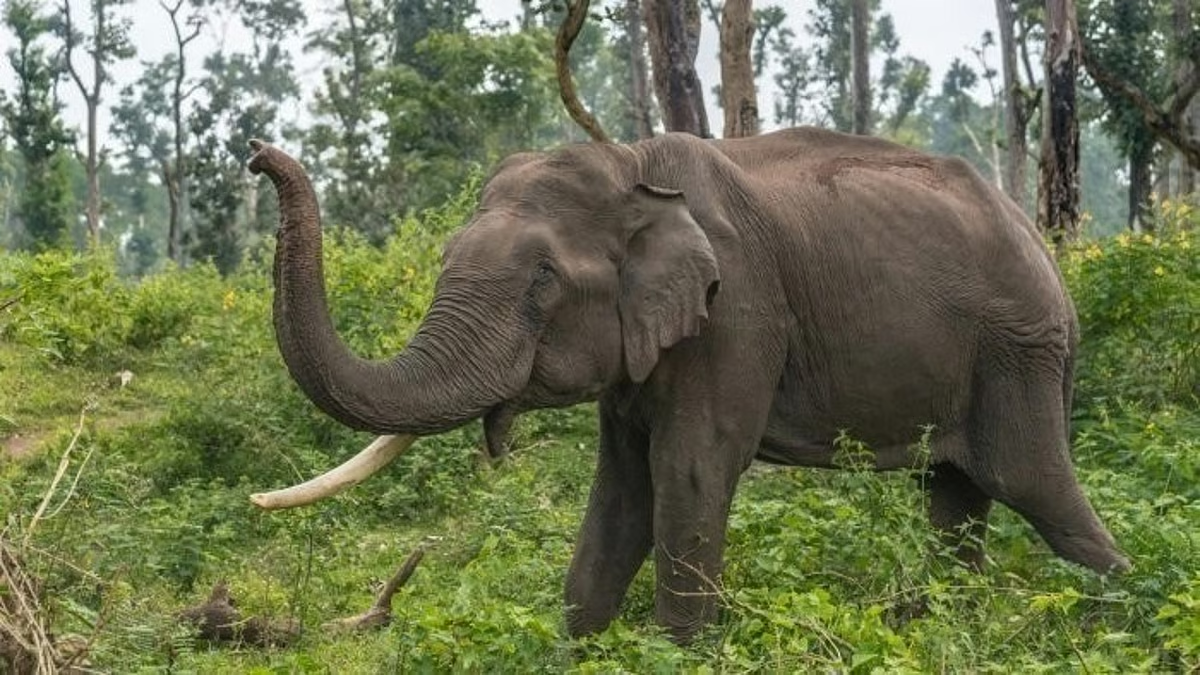
The Sonitpur Elephant Electrocution Incident has drawn attention from wildlife authorities and conservation groups after a wild elephant died upon coming into contact with a live transformer in Assam’s Chariduar area. The incident has renewed concerns about the growing challenges associated with human-elephant conflict in regions where expanding infrastructure intersects with traditional wildlife movement corridors. Forest officials have initiated an investigation into the circumstances surrounding the animal’s death, while local authorities are assessing safety measures around electrical installations. The event highlights ongoing concerns about wildlife protection, habitat connectivity, and the need for preventive measures in elephant-inhabited areas across the state.
Assam Education Infrastructure Reforms Accelerate
Guwahati–Shillong 1-Hour Travel Corridor: ₹8,500-Crore Greenfield Project
Wild Elephant Dies After Contact With Transformer
The tragic incident occurred in Chariduar of Sonitpur district, where a wild elephant reportedly came into contact with a live electrical transformer. According to preliminary information, the animal suffered a fatal electric shock and died at the location. The Sonitpur Elephant Electrocution Incident has prompted immediate attention from forest and wildlife officials responsible for monitoring elephant habitats in the region.
Authorities reached the site shortly after receiving reports from local residents and initiated procedures related to wildlife mortality assessment. Officials are examining the transformer installation and surrounding area to determine how the elephant gained access to the hazardous electrical infrastructure.
Electrocution remains one of several threats faced by elephants in regions where wildlife habitats overlap with human settlements and utility networks. Large animals often move through agricultural lands, villages, and forest fringes while searching for food and water, increasing the likelihood of encounters with potentially dangerous infrastructure.
The death has also generated concern among local communities, many of whom regularly witness elephant movement through nearby areas. Residents have urged authorities to strengthen safeguards that can prevent similar incidents in the future.
Human-Elephant Conflict Continues to Challenge Assam
The Sonitpur Elephant Electrocution Incident has once again highlighted the broader issue of human-elephant conflict, which remains a significant conservation challenge in Assam and several other northeastern states. Rapid development, habitat fragmentation, and increased human activity near forested areas have contributed to more frequent interactions between elephants and local communities.
Elephants often follow traditional migratory routes that may now intersect with roads, settlements, agricultural fields, and utility infrastructure. As natural habitats become fragmented, the chances of accidental encounters and conflicts increase. Such interactions can result in property damage, crop losses, injuries, and fatalities affecting both humans and wildlife.
Conservation experts have repeatedly emphasized the importance of maintaining ecological corridors that allow elephants to move safely between habitats. Ensuring uninterrupted movement routes can help reduce encounters in densely populated areas and minimize risks associated with infrastructure.
Assam has recorded multiple instances of elephant deaths linked to trains, electrocution, and other human-related factors over the years. Consequently, authorities continue exploring long-term solutions aimed at balancing development needs with wildlife conservation objectives.
The latest incident serves as a reminder of the complex challenges involved in protecting one of India’s most iconic wildlife species while supporting regional growth and infrastructure expansion.
Investigation and Safety Assessment Underway
Following the Sonitpur Elephant Electrocution Incident, forest officials and concerned departments have launched an investigation to determine whether existing safety measures around the transformer were adequate. Technical assessments are expected to examine the condition of the electrical installation and identify potential vulnerabilities.
Authorities may review whether additional protective barriers, insulation measures, or warning systems are necessary in areas frequently used by wildlife. Similar preventive actions have been recommended in the past to reduce accidental electrocution incidents involving elephants and other animals.
Coordination between forest departments and power distribution agencies plays an important role in addressing such risks. Wildlife-sensitive planning can help ensure that critical infrastructure does not pose unnecessary dangers to animals moving through nearby habitats.
Officials are also expected to collect data regarding elephant movement patterns in the area. Understanding seasonal migration routes and habitat usage can assist planners in identifying locations where mitigation measures should be prioritized.
The findings of the investigation may contribute to future policy discussions regarding wildlife safety around power infrastructure in vulnerable regions.
Conservation Efforts and Long-Term Solutions
The recurring challenge of wildlife-related accidents has encouraged authorities and conservation organizations to promote stronger protection measures. Habitat conservation, corridor management, and infrastructure planning are often considered key components of long-term conflict mitigation strategies.
Experts stress that protecting elephant corridors can reduce the likelihood of animals entering hazardous environments. In addition, modern technologies and wildlife-friendly infrastructure designs can help lower risks associated with electrical installations, transportation networks, and other development projects.
Community participation also plays a critical role in conservation efforts. Local residents frequently serve as the first source of information regarding elephant movements and can support early-warning systems that improve safety for both people and wildlife.
Educational programs aimed at raising awareness about coexistence strategies have been implemented in several regions affected by elephant movement. Such initiatives seek to reduce conflict while promoting understanding of conservation priorities.
As Assam continues balancing environmental protection with developmental needs, stakeholders are increasingly emphasizing collaborative approaches involving government agencies, conservation groups, utility providers, and local communities.
The death of a wild elephant in Chariduar has brought renewed focus to the challenges highlighted by the Sonitpur Elephant Electrocution Incident. The event underscores the risks that wildlife faces when natural habitats overlap with human infrastructure and reinforces calls for stronger preventive measures. As investigations continue, authorities are expected to assess safety protocols and explore improvements that can reduce future accidents. The incident also highlights the broader importance of habitat conservation, corridor protection, and coordinated planning efforts aimed at minimizing human-elephant conflict while safeguarding one of the region’s most significant wildlife species.
Q1. Where did the elephant electrocution occur?
The incident occurred in Chariduar in Assam’s Sonitpur district.
Q2. What caused the elephant’s death?
The animal reportedly died after coming into contact with a live electrical transformer.
Q3. Why is human-elephant conflict a concern in Assam?
Habitat fragmentation and increasing interaction between wildlife and human activities contribute to frequent conflicts.
Q4. What does Sonitpur Elephant Electrocution Incident refer to?
It refers to the fatal electrocution of a wild elephant after contact with power infrastructure in Chariduar.
Q5. What actions have authorities taken?
Forest officials have launched an investigation and are assessing safety measures around the site.
Q6. How can similar incidents be prevented?
Improved wildlife-safe infrastructure, corridor protection, and coordinated conservation planning can help reduce risks.