

The Assam government has intensified preparations for the rollout of the ambitious Rs 1,929-crore VB-GRAMG scheme, with a Cabinet-level committee recently reviewing the implementation roadmap to ensure smooth execution across the state. The initiative is expected to play a significant role in strengthening rural infrastructure, improving public services, and accelerating socio-economic development in villages.
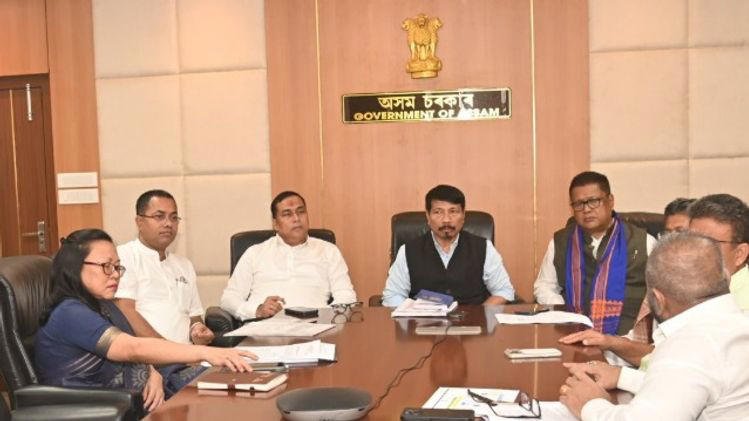
The review meeting brought together senior ministers, government officials, and departmental representatives to discuss the operational framework, implementation strategy, monitoring mechanisms, and timelines associated with the scheme. The discussions focused on ensuring effective coordination among departments and maximizing the impact of the initiative at the grassroots level.
Officials described the scheme as one of the state’s major rural development interventions aimed at transforming village infrastructure while enhancing the quality of life for rural residents.
Cabinet Panel Reviews Progress and Planning
The Cabinet committee conducted a detailed review of preparations for the implementation of the VB-GRAMG scheme. During the meeting, officials presented updates regarding planning, project identification, fund allocation mechanisms, and district-level readiness.
The review focused on ensuring that all administrative and logistical requirements are addressed before the formal rollout of the scheme. Senior officials discussed the need for clear implementation guidelines, robust monitoring systems, and efficient coordination among various departments involved in execution.
The Cabinet panel emphasized the importance of timely implementation and directed departments to maintain transparency and accountability throughout the process. Officials were also instructed to establish mechanisms for regular progress reviews to ensure that targets are achieved within stipulated timelines.
The meeting reflected the government’s commitment to ensuring that the substantial investment translates into tangible developmental outcomes for rural communities.
Understanding the VB-GRAMG Scheme
The VB-GRAMG scheme has been designed as a comprehensive rural development initiative aimed at addressing infrastructure gaps and promoting inclusive growth across Assam’s villages. The program seeks to improve essential facilities while creating opportunities for economic and social advancement.
With an allocation of Rs 1,929 crore, the scheme is expected to support a wide range of development activities covering infrastructure creation, community facilities, public amenities, and other rural development interventions.
Officials believe that the scheme will contribute significantly to strengthening village-level infrastructure and improving access to basic services. By focusing on local needs and priorities, the initiative aims to ensure that development reaches even remote and underserved areas.
The program aligns with the state’s broader vision of achieving balanced regional development and improving living standards across rural Assam.
Focus on Rural Infrastructure Development
One of the primary objectives of the VB-GRAMG scheme is the strengthening of rural infrastructure. The government has identified infrastructure development as a key driver of economic growth and social progress in villages.
Officials indicated that the scheme will support projects related to roads, community infrastructure, public facilities, and other essential assets required for rural development. Improved infrastructure can facilitate better connectivity, enhance service delivery, and create opportunities for economic activity.
The Cabinet panel discussed the importance of prioritizing projects that directly benefit local communities and contribute to long-term development objectives. Infrastructure investments are expected to improve accessibility and support the delivery of government services.
By creating durable public assets, the scheme aims to lay a strong foundation for sustainable growth in rural areas.
Strengthening Village-Level Development
The government has emphasized that village-level development remains central to Assam’s growth strategy. Rural communities constitute a significant portion of the state’s population, making investments in village infrastructure and services particularly important.
Officials noted that development at the grassroots level can generate widespread benefits by improving livelihoods, enhancing social infrastructure, and promoting economic participation. The VB-GRAMG scheme has been designed to address local challenges while supporting broader developmental goals.
The Cabinet committee stressed the need for active involvement of local institutions and stakeholders in identifying priority projects. Community participation is expected to play an important role in ensuring that interventions are aligned with local requirements.
The scheme’s implementation framework seeks to create a development model that is responsive, inclusive, and community-oriented.
Ensuring Efficient Fund Utilization
Given the substantial financial allocation associated with the scheme, the Cabinet panel paid special attention to fund utilization and financial management. Officials discussed mechanisms to ensure that resources are used efficiently and that projects are completed within approved budgets.
Transparency and accountability were identified as critical components of successful implementation. Departments have been directed to establish monitoring systems capable of tracking expenditure, progress, and outcomes at various stages.
The government aims to ensure that every rupee invested under the scheme delivers measurable benefits to rural communities. Financial discipline and effective project management will therefore be essential for achieving the intended objectives.
Officials also highlighted the importance of preventing delays and ensuring that funds are released and utilized in a timely manner.
Inter-Departmental Coordination a Key Priority
The successful execution of a large-scale initiative such as the VB-GRAMG scheme requires close coordination among multiple government departments and agencies. During the review meeting, officials discussed strategies for enhancing collaboration and streamlining administrative processes.
The Cabinet committee emphasized that departments must work together to avoid duplication of efforts and ensure efficient implementation. Effective communication and coordination are expected to improve project execution and facilitate quicker resolution of challenges.
Officials noted that integrated planning can help maximize the impact of development interventions by ensuring that different components complement one another.
The government plans to establish clear responsibilities and reporting structures to support smooth implementation across districts and local bodies.
Monitoring and Evaluation Framework
The review meeting also focused on the importance of monitoring and evaluation. Authorities recognize that regular assessments are necessary to ensure that projects remain on track and deliver expected outcomes.
Officials discussed the development of monitoring systems capable of providing real-time updates on project progress. These mechanisms are expected to support evidence-based decision-making and enable corrective actions whenever required.
The Cabinet panel stressed the need for measurable performance indicators that can help assess the effectiveness of interventions. Periodic reviews will allow the government to identify best practices and address implementation challenges.
A strong monitoring framework is considered essential for maintaining accountability and ensuring that development objectives are achieved.
Potential Impact on Rural Economy
The VB-GRAMG scheme is expected to generate positive economic effects across rural Assam. Infrastructure development often creates employment opportunities, stimulates local economic activity, and improves access to markets and services.
Officials believe that the scheme can contribute to enhanced productivity and improved livelihoods by strengthening the infrastructure required for economic growth. Better roads, public facilities, and community assets can support agriculture, small businesses, and rural enterprises.
The initiative is also expected to create short-term employment opportunities during the construction and implementation phases. Such activities can provide income support while contributing to the creation of valuable public assets.
The government views the scheme as an important instrument for promoting inclusive and sustainable rural development.
Aligning with Assam’s Development Vision
The rollout of the VB-GRAMG scheme aligns with Assam’s broader development agenda, which emphasizes infrastructure expansion, rural transformation, and inclusive growth. The state government has consistently highlighted the importance of investing in villages as part of its strategy to achieve balanced regional development.
Officials noted that strengthening rural infrastructure can reduce disparities between urban and rural areas while creating opportunities for communities across the state. The scheme complements other initiatives aimed at improving connectivity, public services, and socio-economic conditions.
The Cabinet panel reiterated its commitment to ensuring that the program contributes meaningfully to the state’s long-term development goals.
Looking Ahead
As Assam prepares for the rollout of the Rs 1,929-crore VB-GRAMG scheme, expectations are high regarding its potential to transform rural communities and strengthen village-level infrastructure. The Cabinet committee’s review of the implementation roadmap reflects the government’s determination to ensure that the initiative is executed efficiently and effectively.
Through careful planning, strong monitoring mechanisms, and coordinated implementation, the scheme aims to deliver lasting benefits across the state. Improved infrastructure, enhanced public services, and greater economic opportunities are among the outcomes expected from the ambitious program.
The success of the VB-GRAMG scheme will depend on effective collaboration among government departments, local institutions, and community stakeholders. If implemented successfully, it has the potential to become a landmark rural development initiative that significantly contributes to Assam’s socio-economic progress and strengthens the foundation for long-term inclusive growth.