

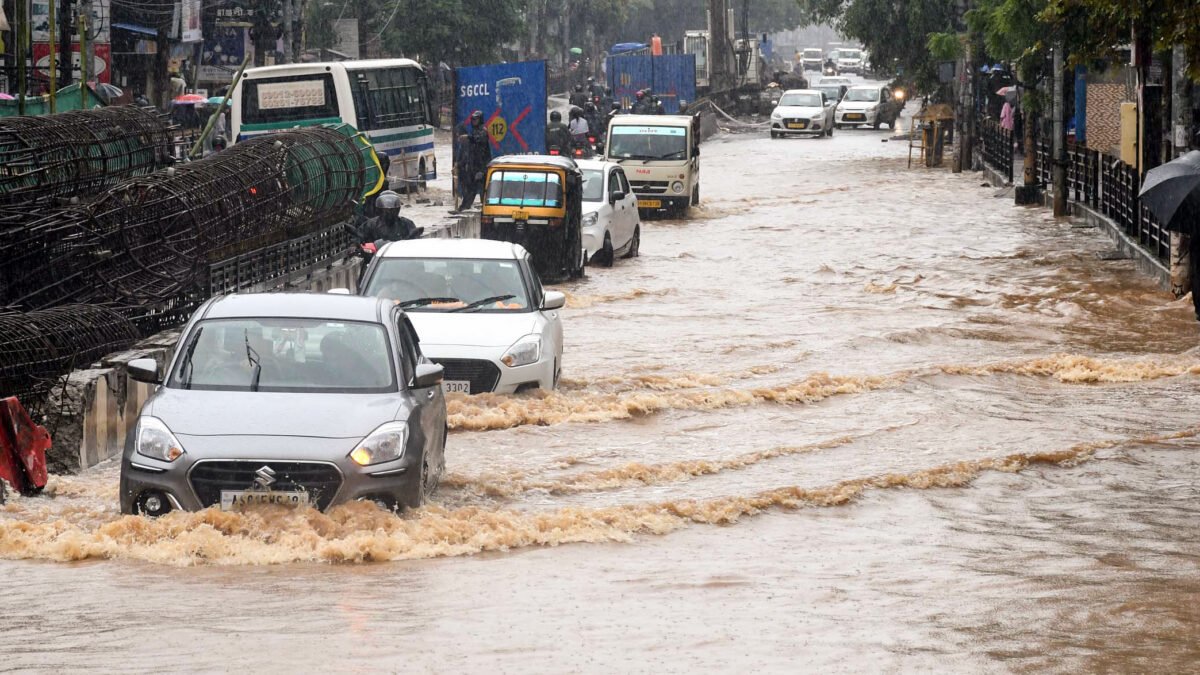
The Guwahati Urban Drainage Plan has been launched by the Assam Government to address recurring flash flooding in Guwahati through improved stormwater management and urban infrastructure. Moreover, the initiative aims to strengthen drainage networks, reduce waterlogging, and enhance the city’s resilience during the monsoon season. Consequently, officials have begun implementing a comprehensive strategy that combines engineering upgrades, flood mitigation measures, and long-term urban planning.
Northeast Disaster Teams Issue Landslide Alerts for Highway Commuters
Gatta Kusthi 2 Could Have Been So Much Better, Yet It Still Works
Guwahati Urban Drainage Plan Targets Flash Flood Prevention
The Guwahati Urban Drainage Plan focuses on modernizing the city’s drainage infrastructure to minimize the impact of heavy rainfall and flash flooding. Furthermore, the project seeks to improve the flow of stormwater through upgraded drains, culverts, and other critical drainage systems.
Urban flooding remains a recurring challenge during periods of intense monsoon rainfall. Consequently, strengthening drainage infrastructure has become a priority for city planners and government agencies.
Moreover, officials are identifying vulnerable locations that frequently experience waterlogging. Therefore, infrastructure improvements will be prioritized in high-risk areas.
Additionally, regular maintenance of drainage channels will support the effectiveness of the project. Thus, preventive measures form an important part of the overall strategy.
Government Prioritizes Sustainable Urban Infrastructure
The Guwahati Urban Drainage Plan reflects the state’s commitment to developing sustainable infrastructure capable of managing increasing rainfall intensity. Furthermore, the initiative integrates engineering solutions with long-term urban development objectives.
Modern drainage systems improve public safety by reducing flood risks in densely populated areas. Consequently, authorities are focusing on resilient infrastructure that supports future urban growth.
Moreover, coordination among urban development agencies will facilitate efficient implementation. Therefore, departments continue working together to ensure timely project execution.
Similarly, improved drainage can help protect roads, public utilities, and residential neighborhoods. Additionally, sustainable planning enhances the city’s climate resilience.
Integrated Flood Management Strengthens Preparedness
The Guwahati Urban Drainage Plan forms part of a broader flood management strategy that includes monitoring rainfall, maintaining drainage infrastructure, and improving emergency preparedness. Furthermore, authorities are enhancing coordination with disaster management agencies to respond more effectively during severe weather events.
Integrated planning helps reduce the impact of urban flooding. Consequently, proactive measures can improve response times and minimize disruption.
Moreover, continuous monitoring of rainfall and drainage performance supports better decision-making. Therefore, officials remain prepared to adapt strategies based on weather conditions.
Similarly, public awareness campaigns encourage responsible waste disposal to prevent drain blockages. Additionally, community participation contributes to effective flood management.
Long-Term Resilience Remains the Primary Goal
The Guwahati Urban Drainage Plan underscores Assam’s focus on creating resilient urban infrastructure capable of addressing future climate and weather-related challenges. Furthermore, investments in drainage modernization are expected to strengthen the city’s ability to manage heavy rainfall over the long term.
Urban resilience depends on effective planning, infrastructure investment, and regular maintenance. Consequently, authorities continue prioritizing projects that improve flood preparedness.
Moreover, collaboration between engineers, planners, and local administrations supports sustainable development. Therefore, coordinated governance remains essential for long-term success.
Similarly, ongoing infrastructure upgrades can reduce economic losses caused by urban flooding. Additionally, resilient drainage systems contribute to safer and more livable cities.
Conclusion
The Guwahati Urban Drainage Plan marks an important step in Assam’s efforts to reduce flash flooding and improve urban resilience through modern drainage infrastructure. Moreover, the initiative combines engineering improvements, sustainable planning, and coordinated flood management to address one of the city’s recurring challenges.
Furthermore, continued investment in drainage networks, proactive maintenance, and effective disaster preparedness will remain essential for minimizing flood risks. Consequently, the project is expected to strengthen Guwahati’s capacity to manage heavy monsoon rainfall while supporting long-term urban development.
Looking ahead, improved infrastructure, coordinated planning, and public participation will play a vital role in ensuring the success of the Guwahati Urban Drainage Plan and creating a more flood-resilient city.
FAQs
1. What is the Guwahati Urban Drainage Plan?
It is an initiative launched by the Assam Government to improve drainage infrastructure and reduce flash flooding in Guwahati.
2. Why was the plan introduced?
The plan aims to tackle recurring waterlogging and flash floods caused by heavy monsoon rainfall.
3. What measures are included in the project?
The initiative focuses on upgrading drainage systems, improving stormwater management, maintaining drainage channels, and strengthening flood preparedness.
4. How will the project benefit Guwahati?
It is expected to reduce flood risks, improve public safety, protect infrastructure, and enhance the city’s resilience to heavy rainfall.
5. Why is the Guwahati Urban Drainage Plan significant?
It represents a long-term strategy to modernize urban infrastructure, improve flood management, and build a more climate-resilient Guwahati.