

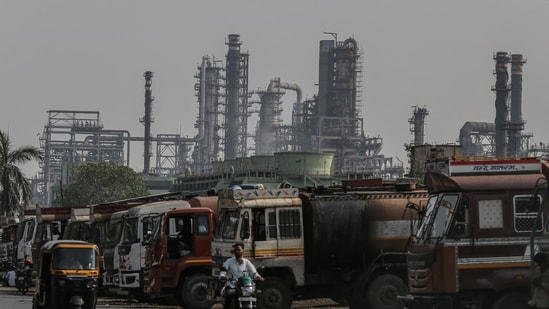
The recent oil pact between Assam and Nagaland has generated optimism about the future of the energy sector in Northeast India. The agreement is being viewed as a significant step toward unlocking the region’s vast hydrocarbon potential while promoting cooperation between neighboring states.
For decades, the Northeast has been recognized as one of India’s most resource-rich regions, particularly in terms of oil and natural gas reserves. However, challenges related to infrastructure, investment, and inter-state issues have often slowed the pace of development. The new agreement seeks to create a more collaborative framework for energy exploration and production.
Political leaders, industry stakeholders, and energy experts have welcomed the development, describing it as a positive move that could benefit both states while contributing to India’s broader energy security goals.
The pact also reflects a growing recognition that regional cooperation can play a crucial role in maximizing the economic potential of natural resources.
Unlocking the Region’s Hydrocarbon Potential
The Northeast has long been an important contributor to India’s energy sector. Assam, in particular, occupies a special place in the history of the country’s petroleum industry, being home to some of the oldest oil fields in Asia.
Nagaland also possesses significant hydrocarbon reserves that remain largely underexplored. Experts believe that the region contains considerable untapped resources that could support economic growth and energy production for years to come.
The new agreement is expected to facilitate greater cooperation in exploration and production activities. By working together, Assam and Nagaland can create a more stable environment for investment and development.
Officials believe that coordinated efforts can help overcome obstacles that have previously affected energy projects in the region. Improved cooperation may encourage energy companies to expand their activities and invest in new exploration initiatives.
The pact has therefore raised hopes of accelerating the responsible development of hydrocarbon resources.
Strengthening Regional Cooperation
One of the most significant aspects of the agreement is its emphasis on cooperation between neighboring states. Regional collaboration often plays an important role in addressing complex development challenges and promoting mutual benefits.
The oil pact demonstrates how states can work together to achieve common goals while respecting their respective interests. Officials from both sides have highlighted the importance of dialogue, coordination, and partnership in advancing development initiatives.
Experts note that such cooperation can create a more favorable environment for investment and infrastructure development. It can also help resolve issues that may otherwise delay important projects.
The agreement sends a strong message about the value of collaborative governance and regional integration. It reflects a shared commitment to leveraging natural resources for economic growth and public benefit.
Many observers believe that the success of this initiative could encourage similar cooperative efforts in other sectors across the Northeast.
Economic Opportunities for Both States
The development of oil and gas resources has the potential to generate significant economic benefits for Assam and Nagaland. Increased exploration and production activities can create employment opportunities, attract investment, and stimulate local economies.
Energy projects often require skilled workers, engineers, technicians, transport providers, and support services. As activity increases, local communities may benefit from new livelihood opportunities and improved economic prospects.
Officials believe that greater energy sector development can contribute to higher revenues and support public investment in infrastructure, healthcare, education, and social welfare programmes.
The oil pact may also encourage private sector participation in the region. Investors generally prefer stable environments where cooperation among stakeholders supports long-term planning and project implementation.
By strengthening the energy sector, the agreement could contribute to broader economic development across both states.
Boost to India’s Energy Security
India continues to pursue strategies aimed at strengthening energy security and reducing dependence on imported energy resources. Domestic oil and gas production plays an important role in achieving these objectives.
The Northeast’s hydrocarbon reserves represent a valuable national asset. Increased exploration and production can contribute to the country’s energy requirements while supporting economic growth.
Experts note that every increase in domestic production helps diversify energy sources and improve supply resilience. The Assam-Nagaland agreement may therefore have implications that extend beyond the region itself.
Officials have emphasized that responsible resource development can contribute to national priorities while delivering local benefits. The agreement aligns with broader efforts to expand domestic energy production and strengthen the country’s energy infrastructure.
The pact is being viewed as a positive development in India’s ongoing efforts to build a more secure and sustainable energy future.
Importance of Infrastructure Development
Energy sector growth often depends on the availability of supporting infrastructure. Roads, pipelines, storage facilities, processing units, and transportation networks are essential for efficient operations.
The Assam-Nagaland oil pact is expected to encourage discussions on strengthening infrastructure related to energy production and distribution. Improved infrastructure can help reduce operational costs and enhance project viability.
Officials believe that infrastructure investments linked to the energy sector can create additional economic benefits. Such projects often improve connectivity and support development in surrounding areas.
The expansion of energy infrastructure can also generate employment during construction and operational phases. This creates opportunities for local businesses and service providers.
Experts stress that long-term success will depend not only on resource availability but also on the ability to build and maintain modern infrastructure systems.
Balancing Development and Sustainability
As interest in energy development grows, policymakers continue to emphasize the importance of environmental responsibility and sustainable practices. Modern energy projects increasingly incorporate measures designed to minimize environmental impacts and protect local ecosystems.
Officials have indicated that future development activities should balance economic opportunities with environmental considerations. Responsible resource management remains essential for ensuring long-term benefits.
Communities living in resource-rich areas often play an important role in development processes. Stakeholder engagement and transparent decision-making can contribute to more inclusive and sustainable outcomes.
Experts note that sustainable development approaches can help build public confidence while supporting responsible resource utilization. Environmental safeguards and community participation remain key considerations for future projects.
The oil pact provides an opportunity to pursue development in a manner that aligns economic growth with environmental stewardship.
Northeast Emerging as an Energy Growth Hub
The agreement reinforces the growing importance of the Northeast in India’s energy landscape. The region’s natural resources, strategic location, and expanding infrastructure make it an increasingly significant contributor to national development.
Governments across the Northeast have sought to attract investment in sectors such as energy, transportation, tourism, and industry. Improved regional cooperation can strengthen these efforts and create new opportunities for growth.
The Assam-Nagaland oil pact reflects a broader trend toward collaborative development and resource optimization. It highlights the potential of regional partnerships to unlock economic opportunities and support long-term progress.
Industry observers believe that successful implementation of the agreement could enhance investor confidence and strengthen the Northeast’s reputation as a destination for energy investments.
A Promising Step Towards Energy-Led Growth
The Assam-Nagaland oil pact marks an important milestone in the region’s development journey. By promoting cooperation, encouraging investment, and supporting resource development, the agreement has generated fresh optimism about the future of the Northeast’s energy sector.
The pact offers opportunities to unlock hydrocarbon potential, strengthen energy security, create jobs, and stimulate economic growth. It also demonstrates the value of collaboration in addressing development challenges and advancing shared goals.
As implementation moves forward, stakeholders will focus on ensuring that energy development remains sustainable, inclusive, and beneficial to local communities. Effective planning, infrastructure investment, and responsible resource management will be critical to achieving these objectives.
For Assam, Nagaland, and the wider Northeast, the agreement represents more than an energy initiative. It symbolizes a commitment to partnership, progress, and a future in which the region’s natural resources contribute meaningfully to prosperity and development.