

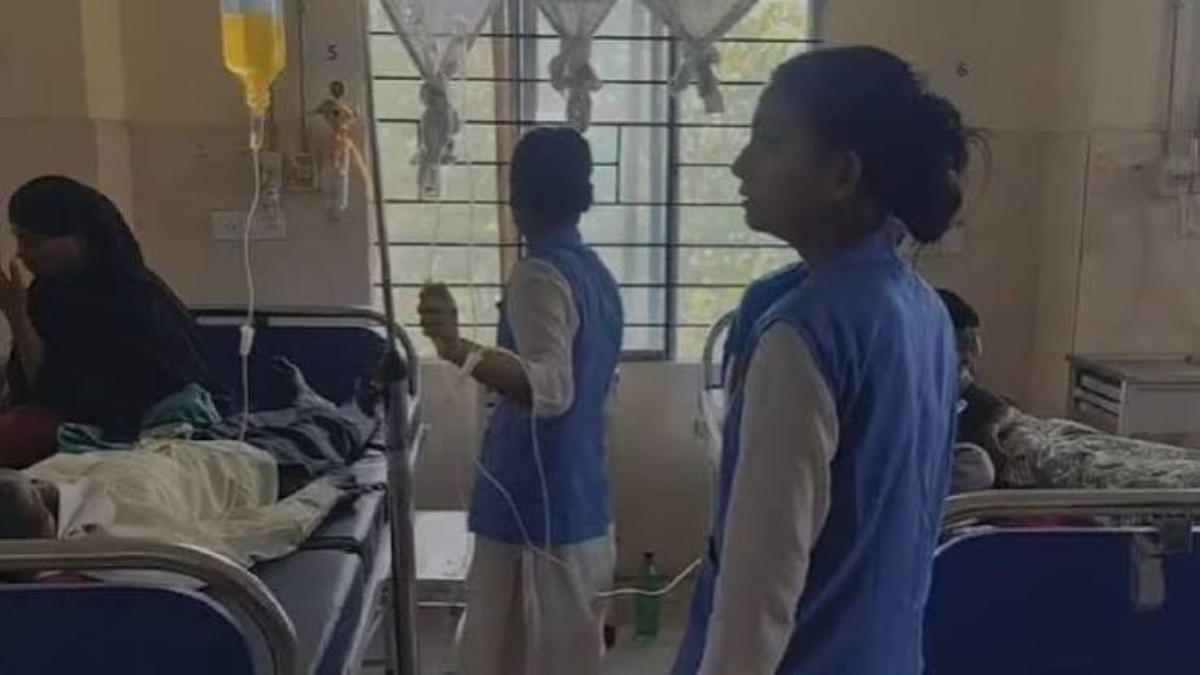
Assam prasad poisoning has raised concern in Kaliabor in Assam’s Nagaon district after more than 50 people reportedly fell ill after consuming prasad at a religious gathering. The affected people developed symptoms after eating the offering and were taken for medical treatment. The incident has prompted attention to food safety and the need to determine what caused the illness.
More than 50 people fall ill after prasad
The incident reportedly occurred in Kaliabor after devotees consumed prasad distributed during a religious programme. Soon after eating the food, several people began experiencing symptoms that were consistent with suspected food poisoning.
More than 50 people were affected, according to reports, with those who fell ill subsequently seeking medical attention. The affected individuals underwent treatment as medical teams attended to their condition.
While the incident has been described as suspected Assam prasad poisoning, the exact cause of the illness has yet to be firmly established. Officials would need to determine whether contamination of any ingredient, improper food handling or another factor was responsible.
The incident has nevertheless highlighted the importance of maintaining food hygiene when large quantities of food are prepared and distributed during religious gatherings.
Patients receive treatment
The affected people were taken for treatment after their health condition raised concern. Medical attention is particularly important in suspected food poisoning cases because symptoms can worsen quickly, especially among children, older people and those with existing health vulnerabilities.
Authorities and health workers are expected to monitor the affected individuals and assess whether further cases emerge. Such monitoring can help establish the scale of the incident and identify whether all those who consumed the prasad were affected.
At present, there is no indication that the illness was linked to any deliberate act. Determining the source of contamination requires proper examination of the food, ingredients and circumstances under which the prasad was prepared and served.
Food safety concerns after Assam prasad poisoning
The Kaliabor incident brings renewed attention to food safety practices at community and religious events. Prasad is often prepared in large quantities and may be handled by several people before it reaches devotees.
Food can become unsafe if ingredients are contaminated, cooking is inadequate, utensils are not properly cleaned or cooked items are stored at unsuitable temperatures. Water used during preparation can also become a potential source of contamination if it is not safe for consumption.
For organisers, maintaining hygiene throughout the preparation and distribution process is therefore essential. Proper handwashing, clean cooking areas, safe drinking water and appropriate storage can reduce the risk of foodborne illness.
Authorities may also examine samples, where available, to help establish the cause of the reported illness. Such investigations are important because symptoms alone cannot always identify the specific source of food contamination.
Earlier food safety incidents in Kaliabor
Kaliabor has previously witnessed food-related health concerns. In December 2024, at least 18 people fell severely ill in Anjukpani village under the Kaliabor subdivision after consuming wild colocasia, locally known as kosu. The affected individuals, who were mainly road construction workers, were taken to Nagaon Medical College and Hospital for treatment. Health officials investigated the incident at the time.
The earlier episode and the latest reported case are separate incidents, and there is no established connection between them. However, both underline the importance of food safety awareness and prompt medical response when groups of people develop symptoms after eating the same food.
Need for careful investigation
The latest Assam prasad poisoning case also underlines the importance of identifying the precise source of the problem rather than drawing premature conclusions. A detailed investigation can help determine whether the issue involved a particular ingredient, preparation method, storage condition or another factor.
Such findings can also help prevent similar incidents at future public gatherings. Religious events often attract large crowds, making food safety an important part of event management.
For now, the priority remains the health of those who fell ill. Continued medical observation and a clear assessment of the suspected foodborne illness will be important in establishing what happened in Kaliabor.
As authorities assess the incident, the case serves as a reminder that food prepared for large gatherings requires the same strict hygiene standards as food served in commercial establishments. Prompt treatment, proper investigation and preventive measures can help protect communities from similar health scares in the future.