

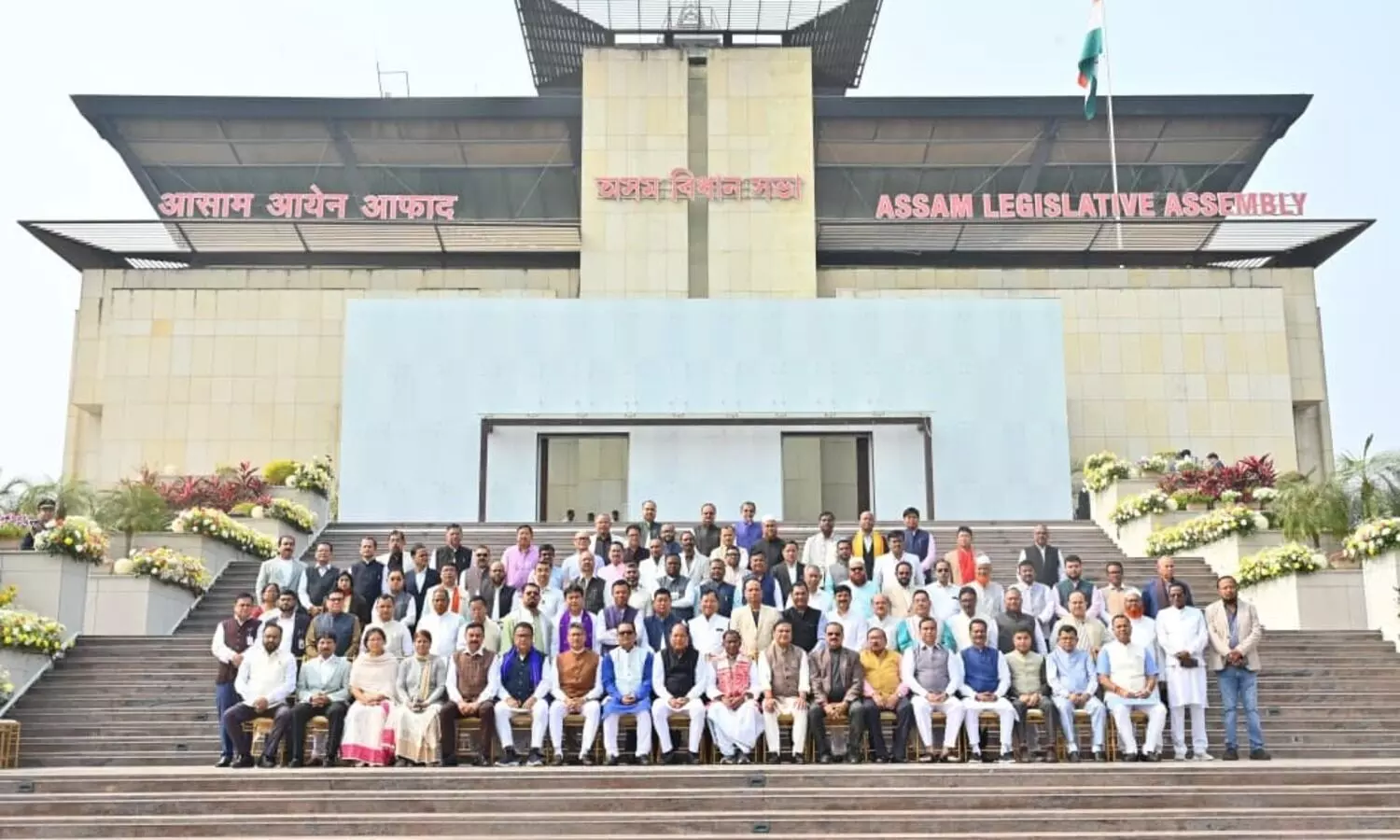
The Assam State Debt Debates have intensified after the legislative opposition expressed concern over the state’s projected total debt reaching ₹1.94 lakh crore. The issue has sparked renewed discussions on fiscal management, public spending, and the long-term financial outlook of Assam’s economy.
Northeast Critical Minerals Strategy Advances with 43 New Lithium and Cobalt Exploration Ventures
The Assam State Debt Debates have gained fresh momentum after members of the legislative opposition raised concerns about the state’s projected total debt of ₹1.94 lakh crore. The opposition questioned the rising debt burden and called for greater transparency regarding the government’s borrowing strategy and fiscal priorities. Moreover, the development has placed Assam’s financial management at the center of legislative discussions.
Public debt remains an important component of state finances because governments often borrow to fund infrastructure, welfare programmes, and development projects. Therefore, debates over debt levels frequently focus on balancing economic growth with fiscal sustainability.
Assam State Debt Debates Focus on Projected ₹1.94 Lakh Crore Debt
The latest Assam State Debt Debates emerged after the opposition highlighted projections indicating that the state’s total debt could reach ₹1.94 lakh crore. Legislators expressed concern about the pace of borrowing and urged the government to explain how it plans to manage future financial obligations.
Moreover, opposition members argued that sustained increases in public debt require careful monitoring to ensure long-term fiscal stability. Consequently, they sought greater clarity on debt servicing, expenditure priorities, and future borrowing plans.
The discussion has added another important dimension to the ongoing legislative session, where financial accountability remains a key subject of debate.
Why Public Debt Matters in the Assam State Debt Debates
Public debt enables governments to finance major infrastructure projects, social welfare schemes, education, healthcare, and other developmental initiatives. However, higher borrowing also increases future repayment obligations through principal and interest payments.
Therefore, economists and policymakers often evaluate debt alongside revenue generation, fiscal deficit levels, and economic growth. Moreover, responsible debt management helps governments maintain financial flexibility while continuing to invest in development.
The Assam State Debt Debates reflect these broader considerations, as legislators examine whether current borrowing aligns with the state’s long-term fiscal objectives.
Opposition Seeks Greater Fiscal Transparency
During the legislative discussions, opposition leaders emphasized the need for detailed explanations regarding the projected debt figures. Furthermore, they called for transparent disclosures on borrowing patterns, repayment schedules, and the expected impact on future budgets.
The opposition argued that regular legislative oversight strengthens public confidence in financial governance. Consequently, it urged the government to provide comprehensive information that allows lawmakers to assess fiscal sustainability accurately.
Meanwhile, the discussions remained focused on financial planning rather than questioning the importance of development expenditure itself. Instead, legislators emphasized balancing investment with prudent fiscal management.
Assam State Debt Debates Highlight Long-Term Financial Planning
The renewed discussions underline the importance of long-term fiscal planning in state governance. Moreover, public debt projections often serve as indicators for policymakers when designing future budgets and investment strategies.
Financial experts generally assess debt alongside economic output, revenue growth, and the state’s ability to meet repayment obligations. Therefore, debt figures alone do not provide a complete picture of fiscal health but contribute to broader financial analysis.
Similarly, legislative debates encourage greater scrutiny of budgetary decisions and public expenditure. Such discussions play an important role in democratic governance by allowing elected representatives to evaluate government policies through established institutional processes.
The latest concerns over the projected debt figure may continue to shape policy discussions as future budgetary decisions are considered.
Conclusion
The Assam State Debt Debates have intensified following the opposition’s concern over the state’s projected total debt reaching ₹1.94 lakh crore. The issue has renewed legislative attention on borrowing levels, fiscal accountability, and the long-term sustainability of public finances.
Moreover, the debate highlights the importance of maintaining transparency in government financial management. Open legislative discussions allow policymakers and the public to better understand borrowing strategies, expenditure priorities, and fiscal planning.
Overall, the projected debt figure is expected to remain an important topic in Assam’s policy discourse. Future discussions will likely focus on balancing developmental investments with responsible fiscal management while ensuring that public finances remain sustainable over the long term.
FAQs
1. What are the Assam State Debt Debates?
The Assam State Debt Debates refer to legislative discussions surrounding the state’s projected public debt and concerns over fiscal management.
2. What is Assam’s projected total debt?
According to the issue raised in the legislature, Assam’s projected total debt is expected to reach ₹1.94 lakh crore.
3. Why did the opposition raise concerns?
The opposition questioned the rising debt burden and sought greater transparency regarding the government’s borrowing strategy and long-term fiscal planning.
4. Why do state governments borrow money?
State governments borrow funds to finance infrastructure, public services, welfare programmes, and other development initiatives while managing budgetary requirements.
5. Does a higher public debt automatically indicate financial instability?
Not necessarily. Public debt is generally evaluated alongside factors such as revenue generation, economic growth, fiscal deficit, and the government’s ability to service its debt obligations.