


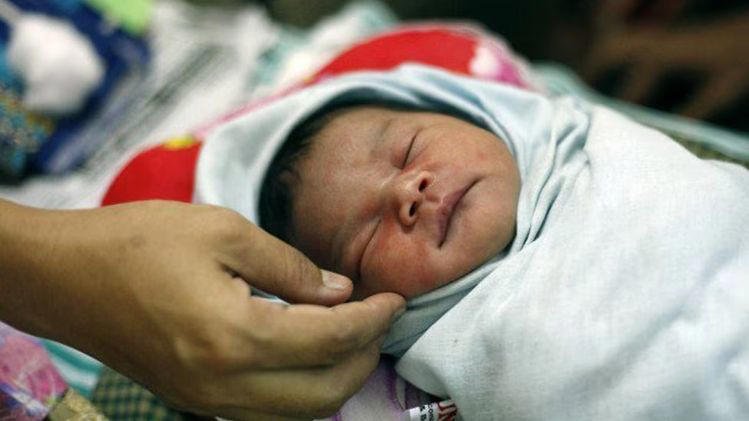
Assam’s Bajali district has achieved a major milestone in maternal healthcare. The district recorded 100% institutional deliveries and zero home births between April and July 2026.
According to data from the Bajali District Health Department, all 713 deliveries recorded during the four-month period took place at healthcare institutions. The achievement marks a steady improvement in the district’s maternal and newborn healthcare services.
The Chief Minister’s Office highlighted the development as a milestone in Assam’s healthcare journey. Health officials linked the progress to early pregnancy registration, antenatal care, counselling, high-risk pregnancy tracking and timely referrals.
Bajali Records 713 Institutional Deliveries
Bajali recorded 713 deliveries between April and July 2026. Every delivery took place at a health institution during this period.
This means the district recorded no home deliveries during the first four months of the 2026-27 financial year. The result marks a significant improvement compared with previous years.
Institutional deliveries allow mothers to receive care from trained healthcare professionals. They also provide quicker access to medical intervention when complications occur during labour or after childbirth.
Institutional Delivery Rate Shows Steady Improvement
Bajali’s performance has improved gradually over the past few years.
The district recorded an institutional delivery rate of 99.65% in 2024-25. The figure increased to 99.81% in 2025-26.
It then reached 100% between April and July 2026. The figures show a gradual decline in home deliveries alongside the increase in institutional childbirth.
Bajali recorded 3,167 institutional deliveries in 2024-25. The number rose to 3,321 in 2025-26.
Home Births Fall to Zero
The district has also recorded a sharp decline in home births.
Bajali reported 11 home deliveries in 2024-25. That number fell to six in 2025-26.
No home delivery was recorded from April to July 2026. Health officials have linked this progress to sustained efforts at the grassroots level.
The shift indicates that more expectant mothers are reaching health facilities for childbirth. It also reflects increased awareness about the benefits of supervised delivery.
Antenatal Care Plays Key Role
Health officials credited regular antenatal care as one of the factors behind the achievement.
Early registration allows health workers to track pregnancies from an early stage. Regular check-ups can also help identify potential complications before delivery.
Counselling forms another important part of the process. Health workers can explain the benefits of institutional delivery and encourage families to seek medical care when labour begins.
Timely referrals also help women reach facilities when they require specialised treatment.
High-Risk Pregnancies Receive Attention
Bajali has also strengthened its monitoring of high-risk pregnancies.
Health officials have formed dedicated teams at different administrative levels. These teams track expectant mothers who may require closer monitoring or specialised care.
The system helps health workers identify cases that may need referral to higher-level facilities. It can also reduce delays when complications arise.
Such tracking becomes particularly important in rural areas, where access to specialised medical services can sometimes involve longer travel.
Frontline Health Workers Support the Effort
Frontline healthcare workers have played an important role in improving institutional delivery rates.
Workers conduct awareness activities and communicate with pregnant women and their families. They also encourage women to complete antenatal check-ups and seek timely medical assistance.
Community-level engagement can help address concerns about hospital deliveries. It can also connect families with available maternal health services.
Officials have attributed Bajali’s progress to this continued grassroots engagement.
Why Institutional Deliveries Matter
Institutional childbirth gives mothers access to trained medical personnel. Health facilities can also provide emergency care if complications develop.
Complications during labour can sometimes require immediate treatment. Hospitals and other health institutions can provide medicines, monitoring and medical procedures when necessary.
Newborns can also receive immediate assessment after birth. Medical teams can identify babies who require additional care and arrange referrals when needed.
For these reasons, expanding access to institutional deliveries remains an important maternal and newborn health objective.
Assam’s Wider Maternal Healthcare Efforts
Bajali’s achievement forms part of broader efforts to strengthen maternal healthcare across Assam.
The state has focused on improving access to health facilities and encouraging pregnant women to seek supervised childbirth. Health awareness programmes and frontline workers remain important parts of these efforts.
The Bajali data also shows how sustained improvements can build on earlier progress. The district moved from 99.65% institutional deliveries to 99.81% before reaching 100% during the latest reporting period.
Community Awareness Remains Important
Healthcare infrastructure alone cannot ensure institutional deliveries. Families also need awareness about when and where to seek care.
Regular counselling can help women understand the importance of antenatal check-ups and supervised childbirth. Community health workers can also help families plan transportation and referrals before labour begins.
This preparation can reduce delays during emergencies.
Bajali’s experience highlights the role of cooperation between health officials, frontline workers and local communities.
A Milestone for Maternal and Newborn Health
The achievement comes with a clear set of measurable figures. Bajali recorded 713 deliveries between April and July 2026, and all occurred at health institutions.
The district also reduced home deliveries from 11 in 2024-25 to six in 2025-26 before recording none during the latest four-month period.
The milestone reflects several years of gradual improvement. It also highlights the importance of pregnancy tracking, counselling, antenatal care and timely referrals.
Bajali Sets a Maternal Healthcare Milestone
Bajali’s 100% institutional delivery rate marks an important development in Assam’s maternal healthcare efforts.
The district has recorded steady improvement over recent years. Health officials have linked the latest achievement to stronger grassroots healthcare work and better monitoring of pregnancies.
While the figures cover April to July 2026, they provide a clear snapshot of the district’s progress during the first four months of the current financial year.
The focus now will remain on sustaining this performance. Continued antenatal care, community awareness, high-risk pregnancy monitoring and timely referrals will remain important as Bajali works to maintain access to safe and supervised childbirth.