

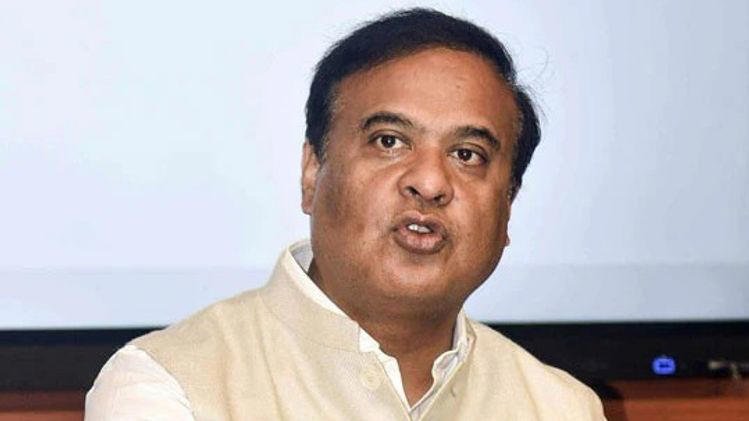
Assam Chief Minister Himanta Biswa Sarma has said that the state’s capital expenditure has witnessed a remarkable thirteen-fold increase over the past decade, reaching approximately Rs 26,000 crore. Highlighting the government’s focus on infrastructure-led development, the Chief Minister stated that the substantial rise in capital investment has transformed Assam’s economic landscape by strengthening connectivity, improving public infrastructure, and creating a foundation for long-term growth.
Speaking about the state’s development journey, Sarma noted that higher capital expenditure has enabled the government to invest heavily in roads, bridges, healthcare, education, water supply, urban development, industrial infrastructure, and other critical sectors. According to him, sustained public investment has accelerated Assam’s transformation into one of the fastest-growing states in Northeast India while improving the quality of life for its residents.
The Chief Minister emphasized that continued infrastructure development remains central to the government’s strategy of promoting inclusive economic growth, attracting investment, and generating employment opportunities across the state.
Significant Rise in Capital Expenditure
Capital expenditure refers to government spending on the creation of long-term public assets such as roads, bridges, hospitals, schools, irrigation systems, public buildings, and other infrastructure projects. Unlike routine administrative expenses, capital investment contributes directly to economic development by expanding productive capacity.
According to the Chief Minister, Assam’s capital expenditure has increased from comparatively modest levels a decade ago to nearly Rs 26,000 crore, reflecting the government’s commitment to strengthening public infrastructure.
The substantial increase demonstrates a strategic shift toward long-term investment that supports economic growth rather than focusing primarily on short-term expenditure.
Officials believe this sustained investment has laid the foundation for improved connectivity, enhanced public services, and stronger industrial development.
Infrastructure Driving Economic Growth
The government has identified infrastructure development as one of the primary drivers of Assam’s economic transformation. Increased capital spending has enabled the construction and modernization of highways, bridges, flyovers, railway connectivity, airports, urban infrastructure, and rural development projects.
Improved infrastructure reduces transportation costs, enhances business efficiency, facilitates trade, and creates better access to markets for industries and agricultural producers.
Officials believe that investments in physical infrastructure also encourage private sector participation by creating a favorable environment for business expansion and industrial growth.
Modern infrastructure is increasingly viewed as an essential requirement for sustaining long-term economic competitiveness.
Strengthening Road and Transport Connectivity
A significant portion of the state’s capital expenditure has been directed toward improving transportation infrastructure across Assam.
The government has undertaken numerous projects involving national highways, state roads, rural connectivity, major bridges, and urban transportation systems to improve mobility throughout the state.
Better road networks have reduced travel time, strengthened inter-district connectivity, and facilitated smoother movement of goods and passengers.
Enhanced connectivity has also improved access to healthcare, education, markets, and government services, particularly for people living in remote and rural areas.
Officials believe transportation infrastructure remains one of the strongest catalysts for balanced regional development.
Investment in Healthcare Infrastructure
Healthcare has emerged as another major beneficiary of increased capital expenditure. The government has invested substantially in expanding hospitals, medical colleges, primary healthcare centres, diagnostic facilities, and modern medical equipment.
New healthcare institutions, upgraded infrastructure, and improved medical services have strengthened Assam’s capacity to deliver quality healthcare across urban and rural areas.
Investments in medical education have also contributed to increasing the availability of trained healthcare professionals while improving long-term healthcare capacity.
The Chief Minister stated that stronger healthcare infrastructure enhances public welfare while improving resilience against future health emergencies.
Improving Education and Human Capital
Education continues to receive significant capital investment through the construction of schools, colleges, universities, hostels, libraries, laboratories, and digital learning facilities.
The government believes that investing in educational infrastructure strengthens human capital development and prepares young people for emerging economic opportunities.
Modern educational institutions equipped with better facilities contribute to improved learning outcomes while encouraging innovation, research, and skill development.
Officials emphasized that education remains essential for sustaining economic growth and creating a competitive workforce capable of supporting Assam’s future development.
Attracting Investment Through Better Infrastructure
The Chief Minister noted that improved infrastructure has enhanced Assam’s attractiveness as an investment destination.
Industrial parks, logistics infrastructure, improved power supply, urban development, and better connectivity have created a more favorable business environment for domestic and international investors.
The state has witnessed increasing investor interest across sectors including manufacturing, renewable energy, food processing, tourism, logistics, information technology, and healthcare.
Officials believe that continued public investment in infrastructure will further strengthen private sector confidence and accelerate industrial expansion throughout Assam.
Employment Generation and Inclusive Development
Capital expenditure contributes significantly to employment generation by creating jobs during both the construction phase and the operational life of infrastructure projects.
Large-scale public investments stimulate demand across sectors such as construction, engineering, transportation, manufacturing, and professional services.
The development of roads, hospitals, schools, industrial infrastructure, and urban facilities also creates indirect employment opportunities for local communities and small businesses.
The government maintains that infrastructure-led development promotes inclusive growth by improving economic opportunities across both urban and rural regions.
Fiscal Management Supporting Development
The increase in capital expenditure also reflects improvements in fiscal planning and financial management.
Officials stated that prudent budgeting, enhanced revenue collection, and efficient utilization of public resources have enabled the government to significantly expand developmental spending while maintaining fiscal discipline.
Long-term infrastructure investments are expected to generate economic returns through increased productivity, higher tax revenues, greater private investment, and improved public services.
The Chief Minister emphasized that responsible fiscal management remains essential for sustaining development momentum over the coming years.
Vision for Future Growth
Looking ahead, the government intends to continue prioritizing infrastructure development as part of Assam’s long-term economic strategy.
Future investments are expected to focus on transportation, urban development, industrial corridors, renewable energy, digital infrastructure, water resources, tourism, healthcare, and education.
Officials believe that expanding capital expenditure in productive sectors will help Assam achieve higher economic growth while improving living standards across the state.
The government’s development roadmap also emphasizes sustainable infrastructure, technological innovation, climate resilience, and balanced regional development to ensure that economic progress benefits all sections of society.
Conclusion
Chief Minister Himanta Biswa Sarma’s statement that Assam’s capital expenditure has increased thirteen-fold to Rs 26,000 crore over the past decade reflects the state’s strong emphasis on infrastructure-led development. Through sustained public investment in roads, healthcare, education, transportation, industrial infrastructure, and public services, Assam has sought to create the foundation for long-term economic growth and improved quality of life.
As the state continues to expand its developmental initiatives, higher capital expenditure is expected to play a central role in attracting investment, generating employment, enhancing public services, and strengthening Assam’s position as one of Northeast India’s fastest-growing economies. The government’s continued focus on productive infrastructure investment underscores its broader vision of building a modern, connected, and economically resilient Assam.