

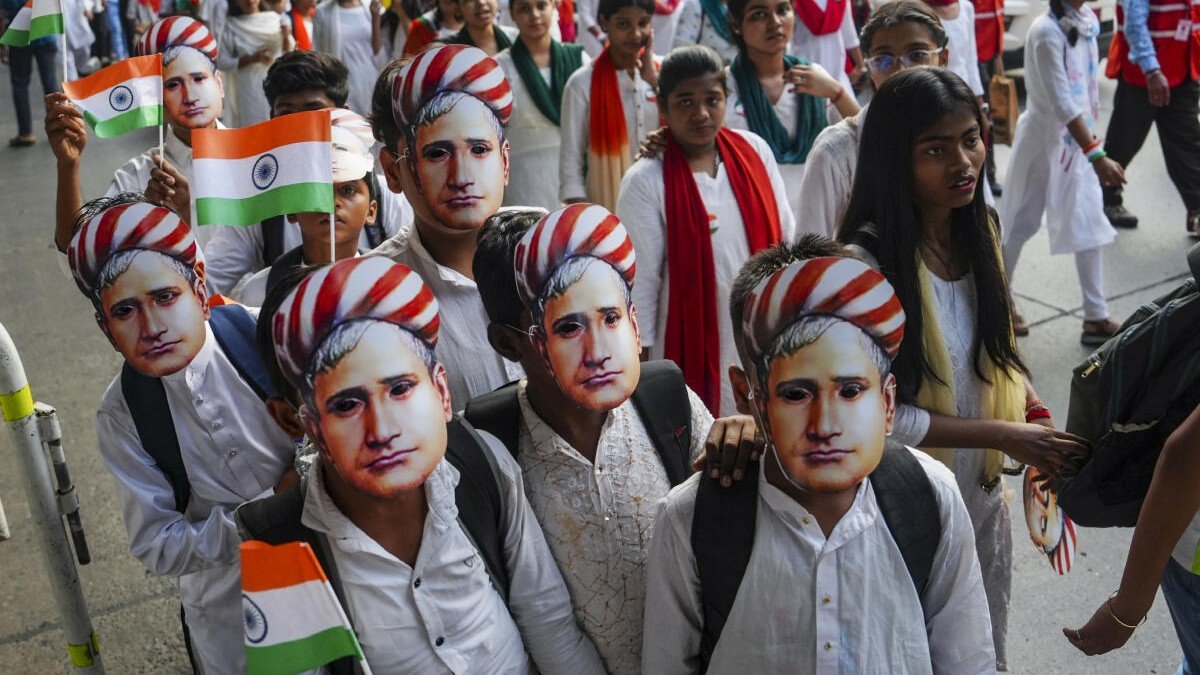
Bengal national song monitoring measures intensified after the state Education Department directed schools to ensure strict compliance regarding the singing of the national song during institutional assemblies and official educational activities. Meanwhile, administrative officials stated that the new instructions aim to strengthen discipline, cultural awareness, and uniform observance of officially mandated ceremonial practices across educational institutions in West Bengal. The directive immediately triggered widespread public and political discussion because educational policy decisions linked to patriotic observances often attract strong reactions throughout the state. Additionally, district education authorities reportedly began reviewing compliance mechanisms and institutional reporting procedures following the latest order.
The development emerged amid broader national debates involving educational values, civic responsibilities, and ceremonial practices within schools and colleges. Furthermore, policy experts noted that symbolic educational directives frequently influence public discourse regarding identity, governance, and institutional accountability.
Northeast Faces Intense Pre-Monsoon Weather Activity
North Bengal Development Push Gains Momentum
Education Department Issues Compliance Directive
The West Bengal Education Department formally instructed educational institutions to maintain stricter supervision regarding observance of the national song during designated activities. Bengal national song monitoring therefore quickly became a major topic across academic and administrative circles.
Meanwhile, officials explained that schools and educational authorities must ensure regular implementation of the directive during assemblies and approved institutional functions. Additionally, district-level monitoring mechanisms reportedly may be strengthened to verify compliance across government and aided educational institutions.
Administrative representatives stated that the initiative seeks to encourage civic values and institutional discipline among students. Furthermore, authorities emphasized that ceremonial practices remain important components of educational culture and national awareness programs.
Earlier, educational departments in several states introduced similar directives linked to patriotic observances and institutional protocols. Consequently, the latest order generated extensive debate regarding educational priorities and administrative oversight.
At the same time, school administrations began reviewing operational arrangements connected to implementation of the directive.
Schools Begin Reviewing Assembly Procedures
Educational institutions across West Bengal reportedly initiated discussions regarding compliance requirements following the official order. Bengal national song monitoring instructions therefore prompted administrative reviews within schools and colleges.
Meanwhile, school authorities examined assembly schedules, attendance procedures, and reporting systems to ensure alignment with departmental guidelines. Additionally, some institutions reportedly considered introducing stricter supervision during morning assemblies and ceremonial activities.
Several school administrators stated that educational institutions already maintain routine patriotic observances through assemblies, cultural programs, and national celebrations. Furthermore, teachers emphasized the importance of balancing ceremonial discipline with inclusive educational environments.
Education experts observed that institutional directives involving symbolic practices often require careful implementation to avoid operational confusion or administrative inconsistency. Consequently, many schools sought additional clarity regarding monitoring expectations and procedural requirements.
However, academic observers also stressed that educational quality and student welfare should remain central priorities alongside ceremonial compliance measures.
Political Reactions Intensify Across State
The directive quickly triggered strong political reactions across West Bengal. Bengal national song monitoring discussions therefore expanded into broader debates involving governance, education policy, and cultural identity.
Meanwhile, ruling party representatives defended the decision and argued that educational institutions should promote civic awareness and respect for national traditions. Additionally, supporters claimed that structured ceremonial practices may strengthen discipline and institutional unity among students.
Opposition leaders, however, questioned whether strict compliance monitoring should become a primary educational focus amid ongoing concerns involving infrastructure, staffing, and academic quality. Furthermore, critics argued that schools require stronger attention toward learning outcomes and educational modernization.
Political analysts noted that educational directives involving national identity and ceremonial observance frequently generate polarized public reactions. Consequently, the latest announcement rapidly became part of wider political and ideological debate within the state.
At the same time, civic organizations urged authorities to maintain balanced and inclusive educational approaches during implementation.
Education Experts Discuss Institutional Impact
Academic experts examined the potential implications of the directive on school administration and student engagement. Bengal national song monitoring policies therefore attracted attention from educators, researchers, and policy specialists.
Meanwhile, several education analysts stated that ceremonial observances may encourage institutional discipline and collective participation when implemented sensitively. Additionally, researchers emphasized that schools often play important roles in shaping civic understanding and cultural awareness among students.
Some experts, however, cautioned against excessive administrative pressure surrounding symbolic educational activities. Furthermore, they argued that educational systems should prioritize critical thinking, academic development, and inclusive learning environments alongside ceremonial traditions.
Educational psychologists also noted that student participation in collective cultural activities may positively influence institutional identity and social interaction. Consequently, observers recommended balanced implementation strategies avoiding unnecessary rigidity or conflict.
At the same time, teaching organizations encouraged clear communication between authorities, school administrations, and parents regarding procedural expectations.
Public Debate Continues Over Educational Priorities
The directive renewed broader public discussion regarding the role of schools in promoting civic values and national identity. Bengal national song monitoring debates therefore extended beyond administrative policy into wider societal conversation.
Meanwhile, many parents and community members supported structured ceremonial practices and argued that schools should continue promoting cultural awareness and civic responsibility. Additionally, some observers viewed the directive as part of broader efforts to reinforce institutional discipline within educational environments.
Others, however, questioned whether stricter monitoring mechanisms may increase unnecessary administrative burden on schools already managing staffing and academic challenges. Furthermore, educational activists emphasized the importance of protecting inclusive and non-coercive learning atmospheres for students from diverse backgrounds.
Several governance experts observed that educational policy debates increasingly reflect larger social and political discussions involving identity, citizenship, and institutional governance. Consequently, symbolic educational measures frequently attract intense public engagement.
At the same time, school communities continued adapting operational procedures while awaiting further administrative clarification.
Future Educational Oversight Measures Under Watch
Observers believe the latest directive may influence future educational monitoring and institutional governance practices within West Bengal. Bengal national song monitoring systems therefore could become part of broader administrative oversight frameworks affecting schools and colleges.
Meanwhile, district education departments reportedly may strengthen inspection systems and reporting procedures regarding institutional compliance standards. Additionally, policymakers continue evaluating educational governance models involving discipline, cultural activities, and civic engagement.
Several policy specialists emphasized the importance of balancing accountability with academic flexibility in large educational systems. Furthermore, transparent implementation guidelines may help reduce confusion and maintain consistency across institutions.
Education reform experts also highlighted the need for broader investments involving teacher training, digital infrastructure, and curriculum modernization alongside ceremonial policy initiatives. Consequently, future educational debates may increasingly focus on balancing symbolic directives with systemic academic improvement.
At the same time, educational institutions across the state remained attentive to evolving policy instructions and administrative expectations.
Conclusion
Bengal national song monitoring measures intensified after the Education Department directed schools to ensure strict compliance regarding ceremonial observance during assemblies and institutional activities. Meanwhile, the directive generated strong political, academic, and public discussion involving educational priorities, civic values, and institutional governance. Authorities defended the policy as part of broader efforts to strengthen discipline and cultural awareness across educational institutions. Ultimately, observers believe the long-term impact of the directive may depend on balanced implementation, administrative clarity, and continued focus on overall educational development.
FAQs
What did the Education Department announce?
Authorities directed schools to ensure stricter compliance regarding national song observance during assemblies.
Why is Bengal national song monitoring significant?
The directive affects ceremonial practices and administrative oversight in educational institutions.
How are schools responding to the order?
Many schools are reviewing assembly procedures and compliance-related administrative arrangements.
Did political reactions emerge after the directive?
Yes, political parties debated educational priorities, civic values, and institutional governance.
What concerns did education experts raise?
Some experts stressed the importance of balancing ceremonial discipline with academic development and inclusivity.
Could more educational monitoring measures follow?
Observers believe future oversight mechanisms may expand within broader school governance systems.