

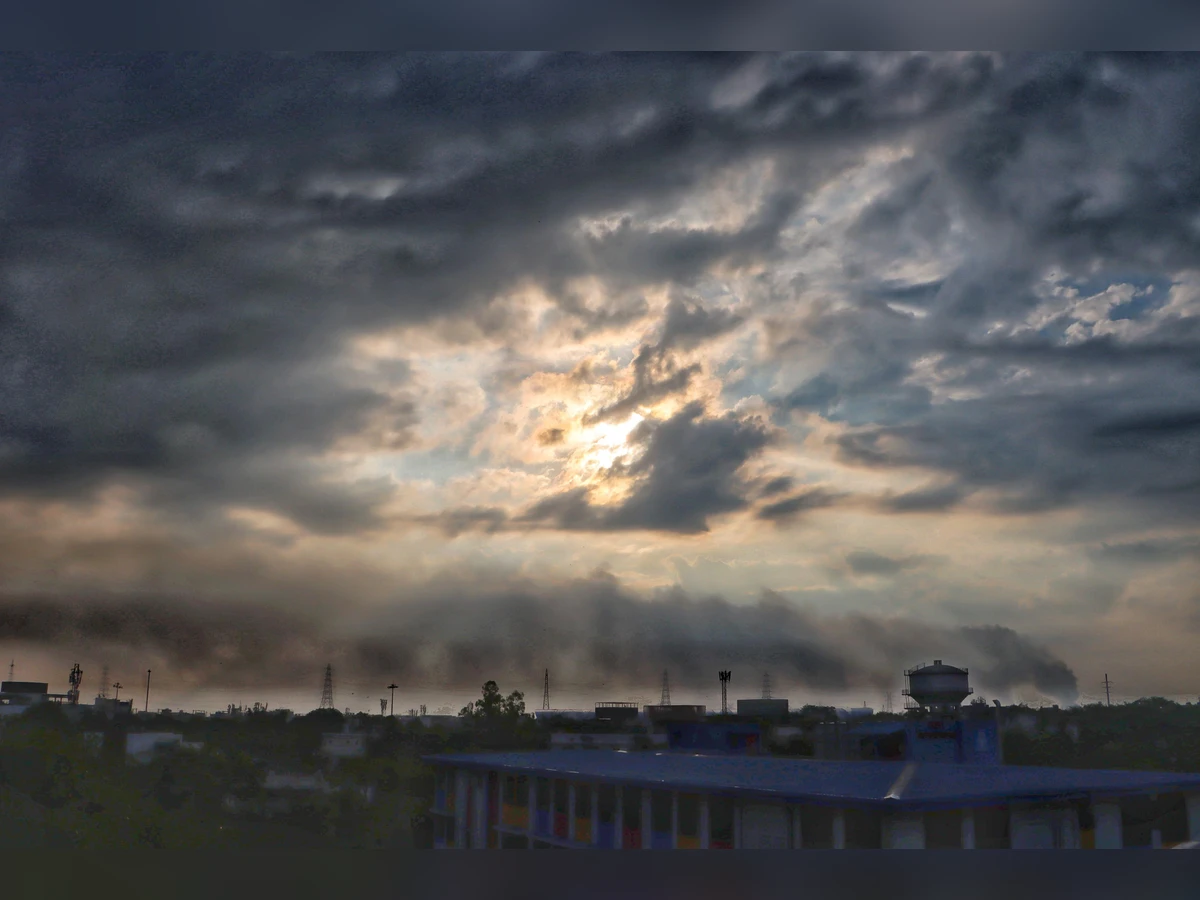
Northeast pre monsoon winds are expected to intensify this week after meteorological authorities forecast strong gusts reaching up to 60 kilometres per hour across several states in the region. Meanwhile, weather officials warned that unstable atmospheric conditions may trigger thunderstorms, heavy rainfall, lightning activity, and localized disruptions in vulnerable districts. The advisory immediately prompted preparedness measures because pre-monsoon weather systems frequently cause damage to infrastructure, transport networks, and agricultural activity throughout Northeast India. Additionally, disaster management agencies increased coordination with district administrations following the latest forecast update.
The warning emerged as multiple northeastern states already experienced fluctuating weather patterns and intermittent thunderstorms during recent days. Furthermore, climate experts observed that seasonal transition periods often produce highly unstable atmospheric conditions across the hilly and riverine terrain of the region.
Bengal Accelerates Bangladesh Border Fencing Support
Baptist Groups Demand Hostage Release in Manipur
Meteorological Department Issues Wind Advisory
Weather authorities formally warned that strong wind activity may affect Assam, Meghalaya, Arunachal Pradesh, Nagaland, and neighboring states during the week. Northeast pre monsoon winds therefore became a major concern for disaster management and public safety agencies.
Meanwhile, officials explained that moisture accumulation, atmospheric instability, and advancing monsoon conditions are contributing to intensified thunderstorm formation across the region. Additionally, forecasters stated that wind speeds could temporarily reach 50 to 60 kilometres per hour in isolated areas during severe weather episodes.
Authorities urged residents to remain alert during thunderstorms and avoid unsafe outdoor movement when strong winds and lightning occur. Furthermore, local administrations reportedly began reviewing emergency preparedness and response mechanisms in vulnerable districts.
Earlier, parts of Northeast India recorded heavy rainfall and storm-related disruptions linked to early monsoon activity. Consequently, the latest advisory heightened concern regarding possible infrastructure damage and transport interruptions.
At the same time, emergency response teams increased monitoring of weather developments and communication channels across affected states.
Thunderstorms and Lightning Risks Increase
Experts warned that powerful thunderstorms accompanied by lightning activity may create hazardous conditions across multiple districts. Northeast pre monsoon winds therefore may significantly increase risks involving falling trees, damaged power lines, and transportation disruption.
Meanwhile, meteorological officials stated that localized thunderstorms could develop rapidly because of rising humidity levels and unstable atmospheric circulation. Additionally, lightning strikes remain a major concern in open rural areas and hill regions during severe weather periods.
Disaster management authorities advised residents to avoid sheltering under trees and to remain indoors whenever thunderstorm warnings are active. Furthermore, power utilities and civic agencies reportedly intensified readiness to address electricity disruptions and storm-related emergencies.
Environmental experts observed that northeastern states remain highly vulnerable to weather-related hazards because of mountainous terrain, dense vegetation, and heavy seasonal rainfall. Consequently, strong pre-monsoon systems frequently create sudden operational challenges for local administrations.
However, officials emphasized that timely public awareness and precautionary action may significantly reduce weather-related risks.
Transportation and Infrastructure Under Watch
Authorities placed major transportation and public infrastructure systems under increased surveillance following the weather forecast. Northeast pre monsoon winds therefore generated concern regarding road connectivity, aviation operations, and urban safety infrastructure.
Meanwhile, transport departments reportedly instructed field officials to monitor vulnerable highways, bridges, and landslide-prone stretches in hilly regions. Additionally, airport and railway authorities remained alert regarding possible operational disruptions caused by heavy storms and gusty winds.
Infrastructure experts noted that severe thunderstorms can temporarily affect communication systems, electricity networks, and public transport services across northeastern states. Furthermore, high wind activity often increases risks involving tree falls and structural damage in densely populated urban zones.
Several governance analysts stressed that rapid emergency coordination remains critical because severe weather can escalate quickly in geographically challenging regions. Consequently, local administrations prioritized interdepartmental preparedness planning ahead of the forecast period.
At the same time, civic authorities urged residents to report hazardous infrastructure damage immediately during adverse weather conditions.
Farmers and Rural Communities Advised Caution
Agricultural authorities also warned farming communities to remain prepared for weather-related disruptions this week. Northeast pre monsoon winds therefore raised concern regarding crop safety, livestock protection, and rural mobility.
Meanwhile, officials stated that sudden storms and intense winds could damage standing crops, temporary agricultural structures, and rural transport routes. Additionally, villagers living in flood-prone or landslide-sensitive areas were advised to monitor official weather bulletins regularly.
Agricultural experts observed that pre-monsoon storms often affect horticulture, tea plantations, and small-scale farming operations across the Northeast. Furthermore, transportation disruptions during severe weather may complicate market access for rural producers.
Several development specialists emphasized the importance of localized preparedness systems supporting vulnerable rural populations during seasonal transitions. Consequently, district administrations intensified outreach efforts involving weather advisories and safety guidance.
At the same time, community organizations encouraged residents to secure loose structures and prepare emergency supplies where necessary.
Monsoon Transition Patterns Becoming More Unstable
Climate scientists noted that changing weather behavior continues affecting pre-monsoon and monsoon transition periods across Northeast India. Northeast pre monsoon winds therefore reflect broader climatic variability influencing rainfall and storm intensity patterns.
Meanwhile, experts explained that rising temperatures and moisture accumulation often contribute to stronger atmospheric instability during seasonal transitions. Additionally, several regions across India witnessed increasing frequency of localized extreme weather events in recent years.
Environmental researchers observed that the Northeast’s unique geography amplifies the impact of thunderstorms and heavy rainfall systems. Furthermore, rapid urbanization and environmental degradation may increase vulnerability to weather-related disruption in some districts.
Several policy analysts stressed the importance of long-term climate adaptation planning involving resilient infrastructure, disaster preparedness, and environmental protection strategies. Consequently, severe weather advisories increasingly attract attention beyond short-term public safety concerns.
At the same time, meteorological agencies continued closely monitoring atmospheric developments across the region.
Authorities Urge Public Vigilance and Preparedness
State administrations and disaster management agencies urged residents to remain cautious throughout the forecast period. Northeast pre monsoon winds warnings therefore became a major public safety focus across affected northeastern states.
Meanwhile, authorities encouraged citizens to follow official weather updates and avoid spreading unverified information through social media platforms. Additionally, emergency response teams reportedly remained prepared for rapid deployment in areas affected by storms or infrastructure damage.
Officials also advised residents to avoid unnecessary travel during severe weather conditions and maintain emergency contact access wherever possible. Furthermore, local administrations intensified awareness campaigns regarding lightning safety and disaster response protocols.
Several public safety experts highlighted that community preparedness and early response play essential roles in reducing weather-related casualties and damage. Consequently, authorities continued emphasizing preventive action and public cooperation during the high-risk period.
At the same time, weather officials indicated that updated advisories may be issued depending on changing atmospheric conditions later this week.
Conclusion
Northeast pre monsoon winds are expected to intensify this week after meteorological authorities forecast strong gusts reaching up to 60 kilometres per hour across several states. Meanwhile, officials warned about thunderstorms, lightning, heavy rainfall, and possible disruptions affecting transportation, infrastructure, and rural communities. Disaster management agencies and local administrations have already increased preparedness and emergency coordination across vulnerable districts. Ultimately, authorities believe public vigilance and timely precautionary measures will remain crucial as unstable weather conditions continue across Northeast India.
FAQs
What weather warning has been issued for Northeast India?
Authorities forecast strong pre-monsoon winds reaching up to 60 kilometres per hour this week.
Why are Northeast pre monsoon winds concerning?
The conditions may trigger thunderstorms, lightning, infrastructure damage, and transport disruptions.
Which areas may be affected?
Several northeastern states, including Assam, Meghalaya, Arunachal Pradesh, and Nagaland, may experience severe weather.
What precautions did authorities advise?
Residents were urged to follow weather updates, avoid unsafe travel, and remain indoors during storms.
Could transportation services face disruption?
Yes, strong winds and thunderstorms may affect roads, railways, airports, and power infrastructure.
Why are pre-monsoon storms common in the Northeast?
Seasonal atmospheric instability and regional geography often create intense weather activity before the monsoon.