


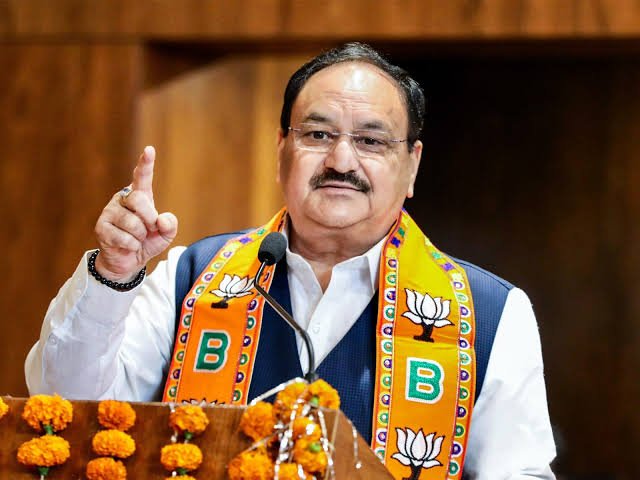
The Central Health Review gained attention as Union Minister J.P. Nadda arrived for a three-day crisis tour focused on evaluating medical relief camps. The visit aims to assess healthcare arrangements and review the support available to people receiving medical assistance during the ongoing crisis.
Medical relief camps can provide essential healthcare services when communities face disruptions to normal medical facilities. Moreover, regular assessments can help authorities identify shortages, improve coordination, and ensure that available resources reach affected populations.
The minister’s visit places central attention on the functioning of emergency healthcare facilities. However, the available information does not specify the locations of the camps, the number of patients served, or the specific medical concerns under review.
Sikkim Tax Revenue Posts Powerful Decade-Long Growth, CAG Finds
Central Health Review Focuses on Medical Relief Camps
The Central Health Review centres on the condition and functioning of medical relief camps during the three-day tour.
Relief camps can provide basic medical care, medicines, consultations, and other health services when normal healthcare access becomes difficult. Furthermore, on-site assessments can help officials understand operational challenges that may not appear in routine reports.
The review can therefore support more targeted healthcare responses.
However, the available information does not specify how many medical relief camps the minister will visit.
Central Health Review Assesses Emergency Healthcare
The Central Health Review provides an opportunity to examine emergency healthcare arrangements on the ground.
Crisis situations can place additional pressure on medical teams and available supplies. Additionally, healthcare facilities may need to respond to changing patient requirements while maintaining essential services.
Direct assessments can help authorities identify areas requiring additional support.
However, the available information does not provide details about the medical services currently operating at the camps.
Central Health Review Examines Relief Camp Requirements
The Central Health Review may focus on the resources required to maintain medical relief operations.
Medical teams can require medicines, diagnostic equipment, protective supplies, accommodation, and reliable communication systems. Moreover, adequate staffing can remain essential when relief camps serve large or dispersed populations.
Identifying shortages can help authorities prioritize additional resources.
However, the available information does not specify whether officials have identified any particular shortages.
Central Health Review Strengthens Centre-State Coordination
The Central Health Review can also support coordination between central authorities and local health administrations.
Crisis response often involves multiple government departments and healthcare agencies. Furthermore, direct communication between officials can help align medical resources with the needs reported from affected areas.
Better coordination can improve the delivery of emergency healthcare.
However, the available information does not identify the state departments or agencies participating in the review.
Central Health Review Highlights Medical Relief Needs
The Central Health Review brings attention to the importance of accessible healthcare during crisis conditions.
People affected by emergencies may require treatment for injuries, infections, chronic conditions, or other health concerns. Additionally, healthcare teams may need to maintain essential services for vulnerable groups while responding to increased demand.
Relief camps can help bridge gaps when regular facilities face disruption.
However, the available information does not provide data on patient numbers or the types of illnesses being treated.
Central Health Review Could Identify Infrastructure Gaps
The Central Health Review may also examine the physical infrastructure supporting medical relief camps.
Healthcare facilities require adequate space, sanitation, electricity, water, and safe storage for medicines and equipment. Moreover, reliable logistics can determine how effectively medical teams provide services in difficult conditions.
Infrastructure assessments can therefore form an important part of emergency healthcare planning.
However, the available information does not specify any infrastructure deficiencies identified during the tour.
Central Health Review Evaluates Healthcare Access
The Central Health Review can help assess whether affected communities can reach medical relief facilities.
Distance, transportation, road conditions, and communication access can influence healthcare availability during a crisis. Furthermore, authorities may need to consider whether mobile medical services or additional camps can reach people living away from existing facilities.
Improving access can help reduce delays in receiving essential care.
However, the available information does not identify any areas facing specific access problems.
Central Health Review Supports Medical Preparedness
The Central Health Review also reinforces the importance of preparedness during emergencies.
Authorities can use field assessments to evaluate how quickly medical teams can respond to changing conditions. Additionally, maintaining adequate stocks and trained personnel can help healthcare systems manage sudden increases in demand.
Preparedness can strengthen resilience beyond the immediate crisis.
However, the available information does not specify whether the minister will announce new preparedness measures during the visit.
Central Health Review May Guide Further Assistance
The Central Health Review could help authorities determine whether additional central assistance is required.
Field observations can provide useful information about staffing, supplies, infrastructure, and patient needs. Moreover, verified assessments can help decision-makers direct support toward areas experiencing the greatest pressure.
Any additional assistance would depend on the findings of the review.
However, the available information does not confirm whether new financial or material assistance will follow the visit.
Central Health Review Continues Over Three Days
The Central Health Review will take place during a three-day crisis tour.
A multi-day visit can give officials time to examine several locations and meet healthcare personnel involved in relief operations. Furthermore, extended field engagement can provide a broader understanding of the challenges affecting medical services.
The review may therefore produce a more detailed assessment than a single-site inspection.
However, the available information does not provide the minister’s complete three-day itinerary.
Conclusion
The Central Health Review has begun with Union Minister J.P. Nadda arriving for a three-day crisis tour to evaluate medical relief camps. The visit focuses attention on emergency healthcare arrangements and the ability of relief facilities to meet the needs of affected communities.
Moreover, direct assessments can help identify gaps in medical supplies, staffing, infrastructure, and healthcare access while strengthening coordination between different authorities. However, the available information does not specify the locations of the camps, patient numbers, medical conditions being treated, or findings from the review.
Overall, the Central Health Review represents an effort to assess medical relief operations directly on the ground. The findings from the three-day tour could help authorities identify priorities and strengthen healthcare support during the ongoing crisis.
FAQs
1. What is the Central Health Review?
The Central Health Review refers to Union Minister J.P. Nadda’s three-day tour to evaluate medical relief camps during the crisis.
2. How long will the minister’s tour last?
The tour is scheduled to last three days.
3. What will the minister evaluate?
The visit will focus on the functioning and healthcare arrangements at medical relief camps.
4. Will the review identify medical shortages?
The review could identify gaps in supplies, staffing, infrastructure, or healthcare access, but specific findings have not yet been provided.
5. Will additional assistance follow the visit?
The available information does not confirm whether the central government will announce additional assistance following the review.