


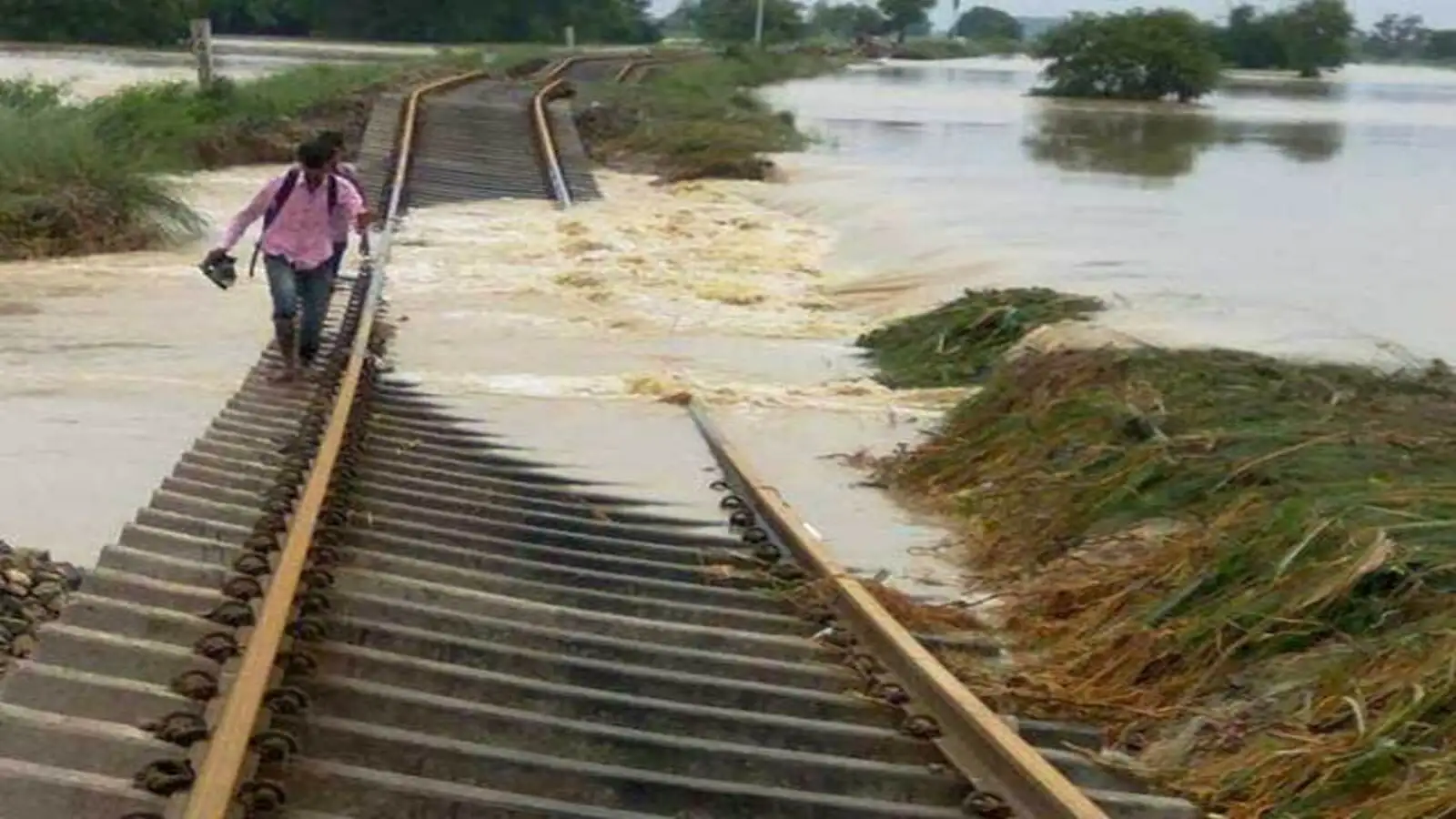
The Railway Restoration effort has helped restore critical connectivity in the Northeast after Northeast Frontier Railway (NFR) successfully cleared debris from an affected railway section. The operation enabled railway authorities to resume an important transport link and improve movement along the network.
Railway connectivity plays a vital role in transporting passengers and essential goods across the region. Moreover, rapid debris clearance can reduce the duration of disruptions and help restore normal services after weather-related or other infrastructure challenges.
The successful operation highlights NFR’s role in maintaining railway connectivity across difficult terrain. However, the available information does not specify the affected route, the cause of the debris, or the exact time required to restore services.
Sikkim Tax Revenue Posts Powerful Decade-Long Growth, CAG Finds
Railway Restoration Clears Critical Obstruction
The Railway Restoration operation focused on removing debris that had obstructed railway connectivity.
Debris on railway tracks can prevent trains from operating safely and disrupt scheduled services. Furthermore, railway maintenance teams must inspect affected sections before allowing normal movement to resume.
Clearing the obstruction therefore represents an important step toward restoring safe operations.
However, the available information does not identify the exact location of the affected railway section.
Railway Restoration Supports Passenger Connectivity
The Railway Restoration effort helps reconnect passengers who depend on rail services for regular travel.
Railways provide an important transport link for workers, students, families, and visitors across the Northeast. Additionally, restoring disrupted routes can help passengers return to normal travel schedules.
Timely restoration can therefore reduce the inconvenience caused by railway disruptions.
However, the available information does not provide passenger figures or details about the number of affected train services.
Railway Restoration Helps Maintain Goods Movement
The Railway Restoration effort also supports the movement of essential goods across the region.
Railways transport food, fuel, construction materials, commercial products, and other supplies. Moreover, prolonged disruptions can create logistical challenges for businesses and communities that depend on regular rail movement.
Restoring connectivity can therefore help stabilize regional supply chains.
However, the available information does not specify which categories of goods faced disruption.
Railway Restoration Highlights NFR’s Operational Role
The Railway Restoration operation demonstrates the importance of NFR maintenance and response teams.
Railway personnel need to assess affected tracks, remove obstructions, and verify safety before reopening a route. Furthermore, coordinated field operations can help reduce delays when infrastructure faces unexpected disruptions.
The successful debris clearance reflects the importance of rapid railway response.
However, the available information does not identify the specific teams or equipment used during the operation.
Railway Restoration Strengthens Regional Connectivity
The Railway Restoration effort contributes to maintaining reliable transport links across the Northeast.
The region’s terrain can create operational challenges for railway infrastructure, particularly during periods of heavy rainfall or other adverse conditions. Additionally, maintaining connectivity supports economic activity and access to essential services.
Restoring affected sections can therefore have benefits beyond railway operations.
However, the available information does not confirm whether weather conditions caused the reported debris obstruction.
Railway Restoration Reduces Disruption Risks
The Railway Restoration operation can reduce the risk of prolonged disruption to railway services.
Quick removal of debris allows railway authorities to assess infrastructure and work toward reopening affected routes. Moreover, restoring connectivity can prevent delays from spreading to other parts of the railway network.
Efficient response can therefore support broader network reliability.
However, the available information does not provide the total duration of the disruption.
Railway Restoration Requires Safety Inspections
The Railway Restoration process involves more than simply clearing debris.
Railway authorities need to confirm that tracks, bridges, signalling systems, and surrounding infrastructure remain safe before normal operations resume. Furthermore, technical inspections can identify additional damage that may require repairs.
Safety checks therefore remain an essential part of restoration.
However, the available information does not provide details about inspections conducted after the debris clearance.
Railway Restoration Supports Emergency Response
The Railway Restoration effort also demonstrates the importance of rapid infrastructure response during emergencies.
Railway connectivity can support the movement of relief supplies and personnel when other transport routes face difficulties. Additionally, maintaining operational rail links can provide communities with an important alternative transport option.
Restoring critical routes can therefore contribute to wider regional resilience.
However, the available information does not indicate whether the affected railway line supported any specific relief operation.
Railway Restoration Could Improve Network Resilience
The Railway Restoration operation may provide useful lessons for strengthening railway infrastructure against future disruptions.
Authorities can examine the causes of debris accumulation and assess whether additional protective measures are required. Moreover, improved monitoring and maintenance can help identify vulnerable sections before major disruptions occur.
Such measures can complement rapid emergency response.
However, no specific infrastructure upgrade has been confirmed in the information provided.
Railway Restoration Keeps Northeast Connectivity Moving
The Railway Restoration effort has helped maintain the movement of people and goods through an important Northeast railway connection.
Reliable transportation supports regional commerce, tourism, employment, and access to essential services. Furthermore, timely restoration can help prevent isolated disruptions from creating wider economic consequences.
Continued maintenance will remain important for long-term connectivity.
However, the available information does not specify the long-term measures planned for the affected railway section.
Conclusion
The Railway Restoration effort has helped resume critical Northeast connectivity after Northeast Frontier Railway successfully cleared debris from an affected railway section. The operation restored an important transport link and reduced the impact of the disruption on regional movement.
Moreover, rapid debris clearance, safety inspections, and coordinated maintenance remain essential for keeping railway services reliable across the Northeast. However, the available information does not specify the affected route, cause of the debris, duration of the disruption, or details of train services impacted.
Overall, the Railway Restoration operation highlights NFR’s role in maintaining essential railway connectivity across the region. Continued infrastructure monitoring, preventive maintenance, and rapid emergency response can strengthen the network’s resilience against future disruptions.
FAQs
1. What happened during the Railway Restoration?
Northeast Frontier Railway cleared debris from an affected railway section, allowing critical connectivity to resume.
2. Which railway authority handled the restoration?
The operation involved Northeast Frontier Railway (NFR).
3. Why is railway restoration important in the Northeast?
Railways provide important passenger and goods connectivity across the region, making rapid restoration important after disruptions.
4. Was the cause of the debris confirmed?
The available information does not specify what caused the debris obstruction.
5. Which railway route was restored?
The specific affected route has not been identified in the information provided.