

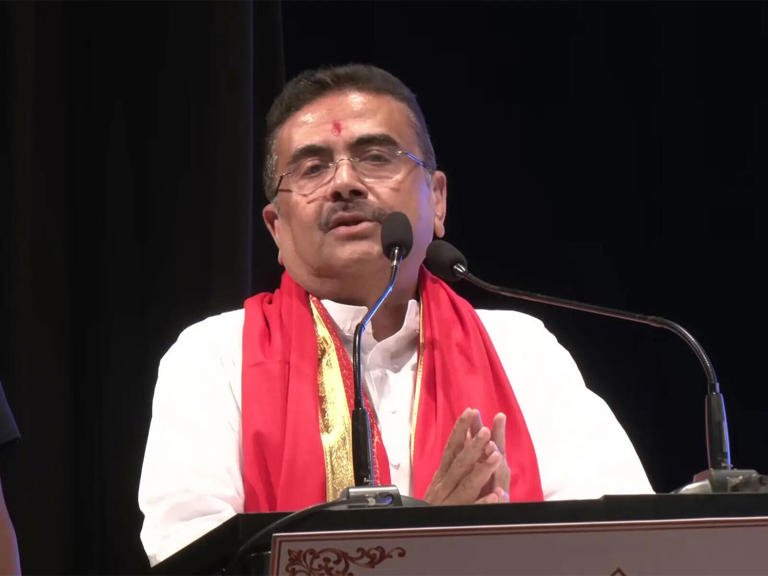
West Bengal has been allocated Rs 8,500 crore by the Centre under the VB-G RAM G scheme, according to senior BJP leader and Leader of the Opposition Suvendu Adhikari. The announcement has brought renewed attention to rural infrastructure development, employment generation, and the implementation of central welfare initiatives in the state.
Adhikari stated that the substantial allocation reflects the Union government’s commitment to strengthening rural connectivity, improving public infrastructure, and enhancing the quality of life for people living in villages across West Bengal. He emphasized that effective utilization of these funds could significantly contribute to the state’s socio-economic development.
The allocation is expected to support a range of developmental activities aimed at boosting rural growth and creating sustainable opportunities for local communities.
Major Financial Allocation for Rural Development
The allocation of Rs 8,500 crore under the VB-G RAM G scheme represents a significant investment in rural development initiatives across West Bengal. According to Adhikari, the funding is intended to accelerate infrastructure projects and improve essential services in rural areas.
Rural development remains a key priority for policymakers, as a substantial portion of the state’s population resides in villages and depends on agriculture and allied activities for their livelihoods. Investments in infrastructure and public services are often viewed as crucial for improving living standards and promoting inclusive growth.
The latest allocation is expected to support projects that enhance connectivity, strengthen local economies, and improve access to essential facilities.
Focus on Infrastructure and Connectivity
One of the primary objectives of the scheme is to improve rural infrastructure and transportation networks. Better roads and connectivity can have a transformative impact on rural communities by reducing travel time, improving market access, and facilitating economic activities.
Adhikari highlighted the importance of developing robust infrastructure that links villages with towns, markets, educational institutions, and healthcare facilities. Improved connectivity not only enhances mobility but also creates new opportunities for trade, employment, and investment.
Infrastructure development is widely regarded as a foundation for long-term economic progress and social advancement.
Boost for Rural Economy
The infusion of substantial funds into rural development programmes is expected to provide a boost to local economies. Construction activities, infrastructure projects, and associated services often generate employment opportunities and stimulate economic activity in rural regions.
Adhikari noted that investments under the scheme could help create jobs, improve income generation opportunities, and strengthen economic resilience among rural households. Enhanced infrastructure can also support agriculture by making it easier for farmers to transport produce and access markets.
Experts emphasize that rural development initiatives play an important role in reducing regional disparities and promoting balanced growth.
Importance of Effective Fund Utilization
While welcoming the allocation, Adhikari stressed the need for efficient and transparent utilization of funds. He stated that the success of any development programme depends not only on the amount allocated but also on how effectively resources are implemented on the ground.
Proper planning, monitoring, and accountability mechanisms are essential for ensuring that projects are completed on time and deliver intended benefits to communities. Transparency in fund utilization also helps build public confidence and improves the overall effectiveness of development initiatives.
Officials and policymakers are expected to focus on ensuring that resources reach targeted beneficiaries and support meaningful outcomes.
Rural Infrastructure as a Development Driver
Infrastructure development in rural areas is increasingly recognized as a critical driver of economic and social progress. Roads, bridges, drainage systems, public facilities, and community infrastructure contribute directly to improved quality of life and economic opportunities.
Adhikari emphasized that modern infrastructure can help villages become more connected and economically vibrant. Better infrastructure also supports access to education, healthcare, and government services, thereby contributing to broader development goals.
The allocation is expected to facilitate projects that address longstanding infrastructure gaps in various parts of the state.
Potential Impact on Employment Generation
Large-scale development projects often create employment opportunities both directly and indirectly. Construction work, maintenance activities, transportation services, and related sectors benefit from increased investment in infrastructure.
According to observers, the Rs 8,500 crore allocation could generate substantial employment opportunities for workers, contractors, and small businesses operating in rural areas. Such projects can also create demand for local materials and services, leading to multiplier effects across the economy.
Employment generation remains an important objective of development programmes, particularly in regions where livelihood opportunities are limited.
Strengthening Rural Communities
The scheme’s objectives extend beyond physical infrastructure to broader community development. Improved public facilities, better connectivity, and enhanced economic opportunities can contribute to stronger and more resilient rural communities.
Access to quality infrastructure helps improve education outcomes, healthcare delivery, and overall social welfare. Communities with better connectivity are often better positioned to access government services, participate in economic activities, and respond to emerging challenges.
Adhikari emphasized that rural development should focus on empowering communities and improving the overall quality of life for residents.
Political Significance of the Allocation
The announcement has also generated political interest, as debates over the implementation and utilization of central funds remain an important issue in West Bengal. Political leaders from different parties have often discussed the role of central assistance in supporting state development initiatives.
Adhikari described the allocation as evidence of the Centre’s commitment to the welfare and development of West Bengal. He urged authorities to ensure that the funds are utilized effectively and reach intended beneficiaries without delays.
Political analysts note that large-scale development allocations often become significant talking points in discussions about governance and public policy.
Development Priorities for Rural Bengal
West Bengal’s rural regions face diverse development challenges, including infrastructure gaps, employment needs, and access to essential services. Programmes supported by substantial financial allocations can help address these issues through targeted interventions and long-term planning.
Experts believe that sustained investment in rural infrastructure can enhance agricultural productivity, improve connectivity, and encourage local enterprise development. Such investments are also important for reducing migration pressures and creating opportunities closer to home.
The latest allocation is expected to contribute to these broader development objectives while supporting local communities across the state.
Looking Ahead
The allocation of Rs 8,500 crore for West Bengal under the VB-G RAM G scheme represents a significant opportunity to accelerate rural development and improve infrastructure across the state. As highlighted by Suvendu Adhikari, effective implementation of these funds could generate substantial benefits for rural communities, strengthen local economies, and enhance overall quality of life.
The success of the initiative will depend on careful planning, transparent execution, and strong monitoring mechanisms to ensure that resources are utilized efficiently. If implemented effectively, the projects supported by this allocation could contribute to lasting improvements in connectivity, employment, public services, and economic growth.
As West Bengal continues to pursue development goals across its rural regions, the funding provided under the scheme may serve as an important catalyst for transformation, helping communities build a stronger foundation for future prosperity and inclusive growth.