

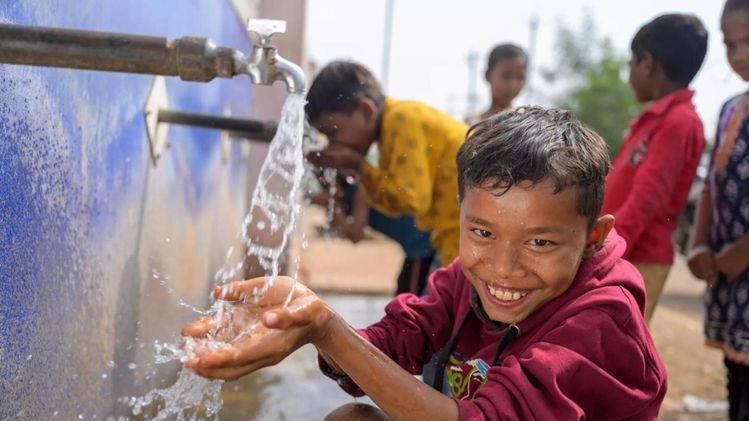
The Centre has signed Jal Jeevan Mission 2.0 agreements with Mizoram and Ladakh to strengthen rural drinking water infrastructure and improve access to safe tap water in remote regions. Officials described the agreements as an important step toward expanding clean water coverage and ensuring long-term water security in difficult geographical areas.
The new phase of the Jal Jeevan Mission aims to improve rural water supply systems, enhance infrastructure sustainability, and strengthen community participation in water management. Authorities believe the agreements with Mizoram and Ladakh will accelerate implementation of drinking water projects in villages facing connectivity and terrain-related challenges.
The move forms part of the Centre’s broader efforts to achieve universal household tap water coverage across India.
Read More: Centre Approves Shillong Airport Runway Upgrade To Boost Meghalaya Tourism
Jal Jeevan Mission 2.0 Focuses On Rural Water Access
The Jal Jeevan Mission 2.0 programme focuses on strengthening rural drinking water systems and ensuring reliable household tap water connections in underserved regions.
Government officials stated that the mission places special emphasis on sustainable water supply, source management, infrastructure maintenance, and quality monitoring.
Under the agreements signed with Mizoram and Ladakh, authorities will work on expanding water supply infrastructure, improving pipelines, and strengthening local management systems.
Officials believe the initiative will particularly benefit rural and remote communities where difficult terrain often creates major logistical challenges for water supply projects.
The Centre has repeatedly highlighted access to clean drinking water as a key development priority under national infrastructure and welfare programmes.
Mizoram To Benefit From Improved Water Infrastructure
Officials stated that the agreement with Mizoram aims to improve drinking water access in rural areas across the northeastern state. Many villages in Mizoram face challenges related to hilly terrain, seasonal water shortages, and infrastructure limitations.
The Jal Jeevan Mission 2.0 framework is expected to support the expansion of piped water systems and improve maintenance of existing supply networks.
Authorities also plan to strengthen local water management committees and encourage community participation in project implementation.
Political observers noted that improving rural infrastructure remains essential for development in northeastern states where geographical conditions often slow project execution.
The Centre believes the upgraded water systems will improve public health and quality of life in rural Mizoram.
Ladakh Projects To Address Harsh Climate Challenges
The agreement with Ladakh focuses on improving water access in one of India’s most climatically challenging regions. Extreme weather conditions and difficult terrain frequently complicate water supply operations in remote areas of the Union Territory.
Officials stated that Jal Jeevan Mission 2.0 projects in Ladakh will include infrastructure suited to high-altitude and cold climate conditions.
Authorities aim to strengthen year-round drinking water availability for rural communities while ensuring durability of pipelines and storage systems in harsh weather.
Experts noted that water supply management in Ladakh requires specialised planning because freezing temperatures and remote settlements create additional operational difficulties.
The Centre expects the mission to improve living conditions for residents in several underserved villages across the region.
Centre Emphasises Sustainable Water Management
Government officials highlighted that Jal Jeevan Mission 2.0 goes beyond pipeline installation and focuses strongly on sustainability and long-term water management.
Authorities stated that projects under the mission will include water conservation efforts, groundwater recharge initiatives, and source sustainability measures.
Officials also stressed the importance of community involvement in maintaining water infrastructure and monitoring water quality.
Experts believe sustainable management remains crucial because climate change and environmental pressures increasingly affect water availability in several regions.
The mission therefore aims to combine infrastructure development with environmental planning and local participation.
Rural Development Receives Major Push
The agreements with Mizoram and Ladakh form part of broader rural development initiatives launched by the Centre across India. Access to safe drinking water remains one of the most important aspects of rural infrastructure and public welfare.
Officials believe reliable household tap water connections can significantly improve health standards, reduce water-borne diseases, and ease daily burdens on rural households.
Women and children are expected to benefit considerably because many families in remote areas still spend significant time collecting water from distant sources.
The Centre has repeatedly stated that improving basic infrastructure remains essential for balanced regional development and social progress.
Northeast And Border Regions Get Infrastructure Attention
Political observers noted that the agreements also reflect the Centre’s growing focus on strengthening infrastructure in border and northeastern regions.
Over recent years, the government has increased investment in roads, airports, digital services, healthcare, and water supply projects across strategically important areas.
Officials believe stronger infrastructure improves living conditions while also supporting economic development and regional integration.
The Northeast and Ladakh continue receiving attention under various national infrastructure and welfare schemes due to their geographical and strategic significance.
Analysts believe improving public services in remote areas remains an important governance priority.
Water Security Seen As Long-Term Priority
Experts believe water security will remain a critical issue for India over the coming decades due to population growth, climate challenges, and changing environmental conditions.
The Jal Jeevan Mission 2.0 framework aims to strengthen long-term planning for drinking water access while reducing dependence on irregular supply systems.
Authorities stated that technology-based monitoring and improved local governance structures will support better implementation and maintenance of projects.
Observers noted that reliable drinking water infrastructure contributes directly to healthcare, education, sanitation, and economic productivity in rural communities.
As a result, water-related programmes increasingly occupy a central place in development planning.
Local Communities Expected To Participate
Officials emphasised that local communities will play an important role in implementing and maintaining projects under Jal Jeevan Mission 2.0.
Village-level committees and local bodies are expected to assist in water source management, infrastructure monitoring, and awareness programmes regarding water conservation.
Authorities believe community participation can improve accountability and ensure better maintenance of water supply systems over time.
Experts also noted that involving local residents often increases the long-term sustainability of rural infrastructure projects.
The Centre plans to continue encouraging decentralised water management practices under the mission framework.
Centre Continues Expanding Jal Jeevan Mission
The signing of Jal Jeevan Mission 2.0 agreements with Mizoram and Ladakh marks another step in the Centre’s effort to expand safe drinking water access across India.
Officials believe the programme will significantly improve rural living conditions while supporting broader health and development goals in remote regions.
The agreements also highlight the government’s focus on strengthening infrastructure in geographically challenging areas through targeted planning and investment.
As implementation begins, authorities expect the projects to improve household water access, strengthen rural infrastructure, and enhance public welfare in both Mizoram and Ladakh.
With clean drinking water emerging as a major development priority nationwide, Jal Jeevan Mission 2.0 is likely to remain one of the Centre’s key infrastructure and welfare initiatives in the years ahead.
Read More: Tripura CM Manik Saha Reviews Public Services And Law And Order