

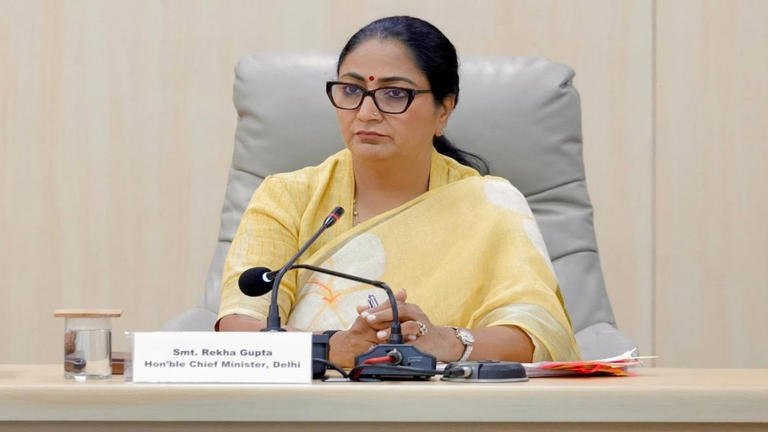
Delhi Chief Minister Rekha Gupta has announced plans to provide hostel facilities for around 10,000 students in the national capital. The initiative aims to improve access to safe and affordable accommodation for students pursuing education in Delhi.
The announcement highlights the Delhi government’s focus on strengthening educational infrastructure. Student accommodation can be especially important for those who travel from other parts of the city, neighbouring states or distant districts.
The proposed hostels are expected to support students who face difficulties finding affordable accommodation close to educational institutions.
Rekha Gupta Announces Hostel Facilities
Chief Minister Rekha Gupta announced the plan as part of the government’s efforts to expand student welfare and education infrastructure in Delhi.
The proposed facilities will provide accommodation to thousands of students. The initiative could help reduce the financial pressure on families who need to arrange private accommodation for students.
Affordable hostel facilities can also give students a more secure living environment. This can allow them to focus more on their studies and academic goals.
Hostels To Benefit 10,000 Students
The government plans to create hostel accommodation for approximately 10,000 students. The scale of the proposal makes it a significant addition to Delhi’s student infrastructure.
Students from economically weaker backgrounds may benefit particularly from such facilities. Affordable accommodation can make higher education more accessible to those who cannot afford expensive private housing.
The hostels could also help students who live far from colleges and universities. Instead of spending several hours travelling each day, students can stay closer to their educational institutions.
Focus On Affordable Student Accommodation
Finding affordable accommodation remains a challenge for many students in Delhi. Rental costs can place an additional burden on families, especially when students move to the capital from other regions.
Government-supported hostels can offer an alternative to private rentals and paying guest facilities. They can provide students with a more structured living environment.
Such facilities can also help parents feel more comfortable about their children’s accommodation while they pursue their education away from home.
Education Infrastructure Gets Attention
Student accommodation forms an important part of education infrastructure. Access to classrooms alone does not address all the challenges faced by students.
Students also need safe housing, transport, healthcare and other support services. Expanding hostel facilities can therefore complement wider investments in education.
The Delhi government’s proposal seeks to address this accommodation gap. It could help create better conditions for students across different educational institutions.
Supporting Students From Outside Delhi
Delhi attracts students from across India because of its colleges, universities and professional institutions. Many students move to the city to pursue higher education.
For these students, accommodation can become one of the biggest expenses. Government hostels could make it easier for students from smaller towns and other states to study in Delhi.
Affordable accommodation can also promote greater diversity within educational institutions. Students from different regions can live and study in the same city without facing excessive housing costs.
Safe Living Environment For Students
Safety is another important consideration when expanding student accommodation. Well-managed hostels can provide students with a more secure environment.
Government facilities can also establish clear rules and support systems for residents. Proper maintenance and management will be important to ensure that the hostels remain safe and comfortable.
The quality of these facilities will ultimately determine how useful they are to students.
Reducing Financial Pressure On Families
Education expenses can increase significantly when students need to pay for accommodation. Rent, food, transport and other daily costs can place pressure on families.
Affordable hostel facilities can reduce some of these expenses. This may be especially helpful for families with limited financial resources.
Lower accommodation costs can allow families to direct more resources towards tuition, books and other educational needs.
Better Access To Higher Education
Affordable housing can indirectly improve access to higher education. Students may be more willing to pursue courses in Delhi if they have access to reasonably priced accommodation.
This is particularly relevant for students from distant areas. They can benefit from Delhi’s educational opportunities without facing the full cost of private housing.
The hostel initiative could therefore support the government’s wider objective of making education more accessible.
Implementation Will Be Important
The success of the proposal will depend on effective implementation. Authorities will need to identify suitable locations and ensure that construction progresses on schedule.
The government will also need to establish clear eligibility criteria for students. Transparent admission procedures can ensure that the facilities reach those who need them most.
Regular maintenance and proper hostel management will remain equally important once the facilities become operational.
Need For Quality Facilities
Providing 10,000 hostel places is a major target. However, the quality of accommodation will matter as much as the number of beds.
Students need adequate rooms, sanitation, drinking water, electricity, security and study facilities. Good management can ensure that these services remain available.
The government may also need to consider accessibility for students with disabilities and other special requirements.
Boost For Delhi’s Student Community
The hostel programme could strengthen Delhi’s position as an education hub. Better accommodation can make the city more welcoming for students from different parts of India.
It can also help educational institutions attract students who might otherwise choose colleges closer to home because of housing concerns.
A stronger student support system can contribute to a healthier academic environment across the capital.
Looking Ahead
Chief Minister Rekha Gupta’s announcement of hostel facilities for 10,000 students marks an important step towards expanding student welfare infrastructure in Delhi.
Affordable and safe accommodation can reduce financial pressure on families and help students focus on their education. It can also make Delhi’s educational opportunities more accessible to students from outside the capital.
The next challenge will be effective implementation. Timely construction, transparent admissions and quality management will be essential to ensure that the proposed hostels deliver meaningful benefits to students across Delhi.