

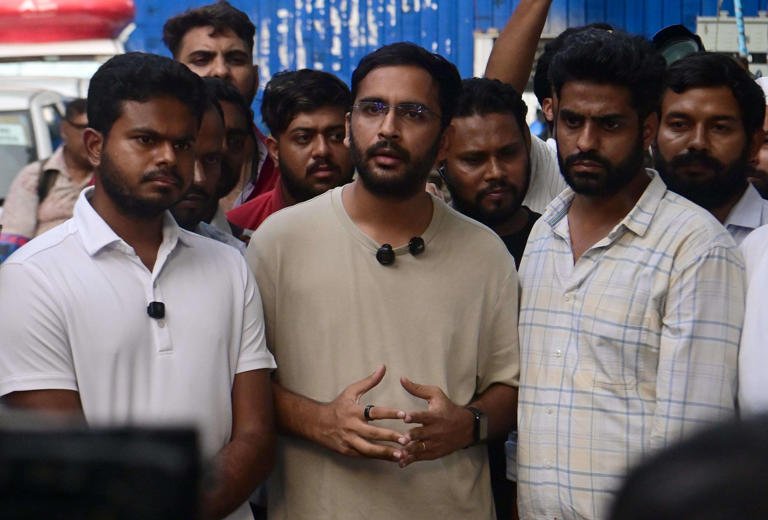
Citizens for Justice and Peace (CJP) was forced to change the venue of a planned meeting in West Bengal after it faced difficulties in holding the programme at its original location. The organisation later conducted the meeting at an alternative venue and continued its efforts to highlight the need for better education infrastructure in the state.
The development comes as CJP has been working on issues related to education, social justice and access to public services. The organisation has also raised concerns about the condition of educational infrastructure and the challenges faced by students and teachers.
The change of venue did not stop the meeting from taking place. Instead, organisers shifted the programme and continued with discussions on education and the need to improve facilities across Bengal.
CJP Changes Venue for Meeting
CJP had planned to organise a meeting in West Bengal as part of its outreach and awareness activities. However, the organisation faced difficulties with the original venue and had to look for another location.
The organisers eventually moved the programme to an alternative venue. They continued with the scheduled discussions despite the change.
The incident has drawn attention to the challenges organisations can face while conducting public meetings. CJP has continued to use such programmes to engage with communities and discuss issues that affect ordinary citizens.
The organisation’s focus on education infrastructure also reflects a wider concern over the quality and availability of public facilities. Schools and colleges require adequate buildings, classrooms, sanitation facilities, libraries and other resources to provide students with a suitable learning environment.
Focus on Education Infrastructure
The meeting also highlighted CJP’s efforts to push for better education infrastructure in Bengal. The organisation has stressed the importance of ensuring that students have access to safe and functional educational facilities.
Infrastructure plays a major role in the learning process. Poorly maintained buildings, overcrowded classrooms and inadequate basic facilities can affect students and teachers alike.
Therefore, CJP wants authorities to pay greater attention to the physical condition of educational institutions. The organisation has called for improvements that can create a more supportive environment for students.
Better infrastructure can also improve attendance and participation. Students are more likely to engage with education when schools provide safe classrooms, proper sanitation and basic learning resources.
Need for Better Facilities in Schools
Schools require more than classrooms to provide quality education. Students also need clean drinking water, functional toilets, electricity and safe spaces for recreational activities.
Libraries and laboratories can further improve learning opportunities. Such facilities allow students to gain practical knowledge and develop skills beyond textbook learning.
However, many educational institutions continue to face infrastructure-related challenges. These problems can become more serious in rural and economically weaker areas.
CJP’s focus seeks to draw attention to these gaps. The organisation wants government authorities to identify schools that need urgent repairs and provide adequate funding for improvements.
Regular inspections can also help identify problems before they become major concerns. Authorities can maintain records of infrastructure requirements and prioritise schools based on urgency.
Rural Bengal Needs Greater Attention
Education infrastructure remains especially important in rural Bengal. Students in remote areas may have fewer educational opportunities compared with those in larger towns and cities.
Some rural schools face shortages of classrooms, teachers and learning materials. Long travel distances can also make it difficult for students to attend schools regularly.
Improving infrastructure can help address some of these problems. Better school buildings and facilities can encourage families to keep children in education.
At the same time, infrastructure improvements must accompany better teaching resources. A modern school building alone cannot guarantee quality education. Students also need trained teachers, updated learning materials and effective academic support.
CJP’s broader education campaign therefore focuses on the need to improve the overall learning environment.
Education and Social Justice
CJP has linked education with wider questions of social justice. Access to quality education can influence a person’s future employment opportunities and economic mobility.
Students from disadvantaged communities often face greater barriers to education. Poor infrastructure can add another obstacle for these students.
Therefore, improving public educational institutions can help reduce inequality. Governments can provide better facilities in underserved areas and ensure that students receive similar opportunities regardless of their economic background.
The organisation’s campaign aims to keep these issues in public discussion. By engaging with communities, CJP hopes to highlight problems that may not receive sufficient attention.
Importance of Community Participation
Community participation can also play an important role in improving education infrastructure. Parents, teachers and local residents often understand the problems faced by schools in their areas.
They can identify issues such as damaged buildings, inadequate sanitation or shortages of essential facilities. Local participation can therefore help authorities understand which improvements require immediate attention.
CJP’s outreach programmes provide an opportunity for such concerns to reach a wider audience. Discussions with residents can help identify common problems and build support for improvements.
Schools can also involve parents and local organisations in monitoring facilities. Greater community involvement can improve accountability and encourage better maintenance.
Government Investment Remains Essential
While community participation matters, large-scale infrastructure improvements require government investment. School construction, repairs and the development of laboratories and libraries need adequate funding.
The government must also ensure that allocated funds reach institutions efficiently. Delays in releasing funds can postpone essential repairs and construction work.
Authorities can improve implementation by setting clear timelines and monitoring projects regularly. Transparent reporting can also help people understand how education funds are being used.
CJP’s emphasis on education infrastructure adds to the wider demand for better public investment in education. The organisation wants educational development to remain a priority for policymakers.
Venue Change Does Not Halt CJP’s Campaign
Despite having to change its meeting venue, CJP continued with its programme and used the opportunity to discuss education-related concerns.
The change demonstrates the organisation’s determination to continue its outreach activities despite logistical challenges. Its focus remains on issues that directly affect communities.
Education infrastructure is likely to remain an important part of this campaign. The organisation wants to see greater attention to school facilities and the overall learning environment.
The meeting also provided an opportunity to highlight the connection between infrastructure and educational outcomes. Students need safe and functional spaces to learn effectively.
Better Education Infrastructure Needed Across Bengal
CJP’s campaign comes amid wider discussions about the future of education in West Bengal. Improving infrastructure can support better learning outcomes and create more equal opportunities for students.
The state has a large network of government schools and educational institutions. Maintaining these facilities requires continuous investment and monitoring.
The government, local authorities, school administrations and communities all have a role to play. Working together can help identify problems and ensure that improvement projects reach the institutions that need them most.
CJP Continues Push for Educational Reform
The forced change of venue did not stop CJP from holding its meeting or raising its concerns about education. The organisation has continued to push for better infrastructure and stronger public attention to educational needs in Bengal.
Its campaign highlights a basic issue: students cannot receive quality education without a suitable learning environment. Safe buildings, clean facilities, learning resources and proper maintenance all contribute to better education.
Going forward, the focus will remain on identifying infrastructure gaps and encouraging authorities to address them. Greater investment, regular monitoring and community participation can help improve educational facilities across the state.
For CJP, the meeting represents another step in its wider campaign for social justice and better public services. Despite the venue-related setback, the organisation has kept education infrastructure at the centre of its discussions and continues to call for improvements that can benefit students across Bengal.