

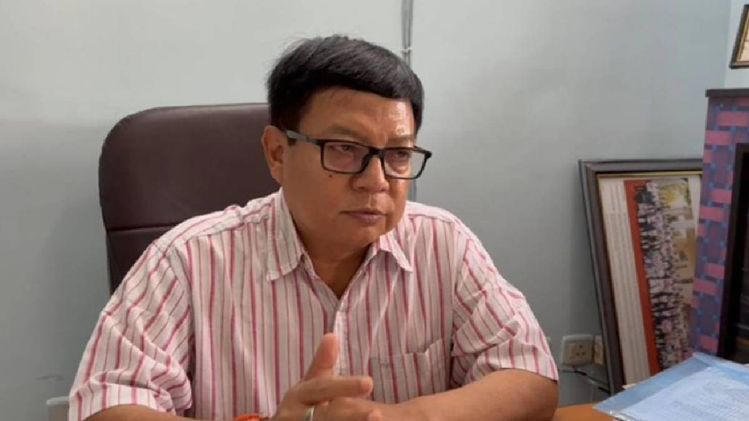
Leader of the Opposition in the Assam Legislative Assembly, Debabrata Saikia, has urged Prime Minister Narendra Modi to establish a regional recruitment centre in Guwahati to address vacancies across the northeastern states and streamline the recruitment process for candidates from the region.
In a representation to the Prime Minister, Saikia highlighted the challenges faced by aspirants from Northeast India who often have to travel long distances to participate in recruitment examinations, interviews, and other selection procedures conducted by various central government departments and agencies. He argued that a dedicated recruitment centre in Guwahati would make the process more accessible, cost-effective, and efficient for thousands of job seekers.
The demand comes amid growing concerns regarding employment opportunities and the need to improve access to recruitment mechanisms for youth across the northeastern region.
Call for Greater Accessibility in Recruitment
Saikia emphasized that candidates from the Northeast frequently encounter logistical and financial difficulties while applying for central government jobs. Many recruitment examinations and selection procedures are conducted in cities located far from the region, requiring candidates to incur substantial travel and accommodation expenses.
According to the Congress leader, establishing a regional recruitment centre in Guwahati would significantly reduce these burdens and ensure equal opportunities for candidates from Assam and other northeastern states.
He noted that Guwahati serves as the principal gateway to the Northeast and possesses the infrastructure required to host large-scale recruitment activities. A centralized facility in the city could cater to candidates from multiple states while improving administrative efficiency.
The proposal aims to ensure that geographical distance does not become a barrier to employment opportunities for young people in the region.
Benefits for Aspirants Across Northeast India
The proposed recruitment centre is expected to benefit candidates from Assam, Arunachal Pradesh, Meghalaya, Manipur, Mizoram, Nagaland, Tripura, and Sikkim. These states collectively account for a substantial number of applicants seeking employment in various central government departments, public sector undertakings, and national institutions.
A regional centre in Guwahati could help reduce travel costs and minimize the time required for participation in recruitment processes. It would also allow candidates to attend examinations and interviews closer to their homes, making the process more convenient and accessible.
Many aspirants from remote areas often face additional challenges due to limited transportation options and long travel durations. A dedicated recruitment facility could address these concerns while encouraging greater participation in government recruitment drives.
Saikia argued that easier access to recruitment mechanisms could contribute to higher application rates and improved representation of northeastern candidates in national institutions.
Addressing Employment Concerns
Employment remains a major concern for young people across the Northeast. The region has witnessed increasing demand for government jobs due to their perceived stability and career prospects.
The Congress leader stated that improving recruitment infrastructure could help strengthen employment opportunities by making selection processes more inclusive. He emphasized that qualified candidates should have access to fair and convenient recruitment systems irrespective of their geographical location.
A regional recruitment centre could also facilitate faster processing of vacancies and improve coordination between recruiting agencies and candidates. Such a facility would enable authorities to conduct examinations, document verification, physical tests, and interviews more efficiently.
According to Saikia, investments in recruitment infrastructure can complement broader efforts aimed at generating employment and supporting youth development.
Guwahati as a Strategic Location
Guwahati has emerged as the commercial, educational, and administrative hub of Northeast India. The city is well connected by road, rail, and air to various parts of the region, making it a practical choice for hosting a regional recruitment centre.
Saikia pointed out that Guwahati already accommodates several regional offices of central government organizations and possesses the necessary infrastructure to manage large-scale administrative operations.
The city’s accessibility could enable candidates from different northeastern states to travel more easily for examinations and recruitment-related activities. Furthermore, the availability of educational institutions, accommodation facilities, and transportation networks strengthens its suitability as a recruitment hub.
Supporters of the proposal believe that locating the centre in Guwahati would maximize convenience while ensuring effective utilization of existing infrastructure.
Potential Impact on Recruitment Efficiency
The establishment of a regional recruitment centre could improve the efficiency of hiring processes for central government vacancies in the Northeast. Recruitment agencies often face logistical challenges while conducting examinations and assessments across multiple locations.
A dedicated facility could streamline operations by providing a centralized venue for various stages of recruitment. This would help reduce administrative complexity and improve coordination among stakeholders.
The centre could also support digital recruitment systems and modern examination infrastructure, ensuring transparency and efficiency in the selection process. Such improvements may contribute to faster vacancy filling and better candidate experiences.
Experts have noted that regional recruitment infrastructure can play a significant role in improving access while reducing operational costs associated with decentralized processes.
Demand for Greater Regional Representation
Saikia’s appeal also reflects broader discussions about ensuring adequate representation of northeastern candidates in national institutions. Many stakeholders have argued that recruitment systems should be designed in a manner that accounts for the region’s unique geographical and logistical challenges.
The Congress leader stated that establishing a recruitment centre in Guwahati would demonstrate the government’s commitment to inclusivity and equitable access to employment opportunities. It would also align with efforts to integrate the Northeast more closely with national development initiatives.
Improved recruitment infrastructure could encourage more young people to participate in competitive examinations and pursue careers in public service.
Looking Ahead
Debabrata Saikia’s proposal for a regional recruitment centre in Guwahati highlights the growing demand for more accessible and efficient recruitment mechanisms in Northeast India. By reducing travel burdens, improving convenience, and enhancing administrative efficiency, the proposed facility could benefit thousands of aspirants across the region.
As the demand gains attention, stakeholders will be watching closely to see whether the Centre considers the proposal. Supporters argue that such a move would not only simplify recruitment processes but also strengthen employment opportunities and regional representation in government services.
With Guwahati already serving as the Northeast’s principal administrative and transportation hub, the establishment of a regional recruitment centre could mark an important step towards making government recruitment more inclusive, accessible, and responsive to the needs of candidates from the region.