

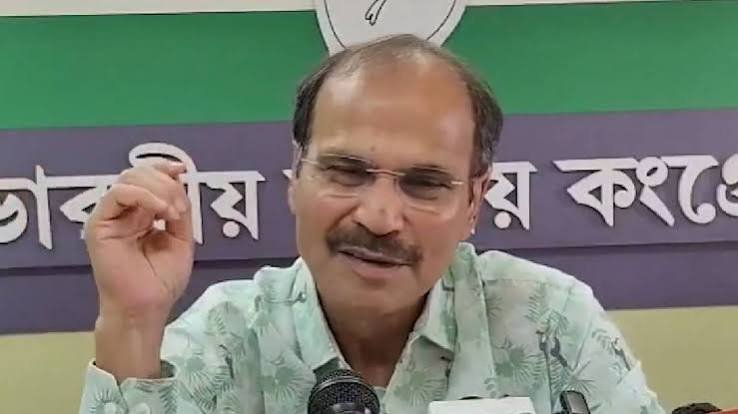
Congress Northeast political revival has emerged as a renewed priority for senior Congress leader Adhir Ranjan Chowdhury, who says the party will work to recover political ground it has lost across the region. On October 28, 2026, Chowdhury met Congress leaders and workers in Shillong, Meghalaya, and discussed efforts to strengthen the party’s organisation. He expressed confidence in the commitment of party workers and pledged to restore the Congress’s presence across Northeast India. His remarks come amid significant political changes in Meghalaya and wider challenges for the party across the region.
Donyi Polo Airport Upgrades Strengthen Night Operations in Arunachal Pradesh
Adhir Chowdhury Outlines Congress Northeast Political Revival Strategy
Adhir Ranjan Chowdhury met party leaders and workers at the Congress office in Shillong on Wednesday. During the meeting, he discussed the party’s organisational position and the steps needed to rebuild its political presence.
Chowdhury said the Congress was working to strengthen itself in the Northeast. He also pointed to the enthusiasm of party workers during the meeting as a sign of continued organisational activity.
According to his remarks, the party has begun discussing strategies to recover areas where it has lost political influence. He described this effort as part of a broader attempt to rejuvenate the Congress across India.
Moreover, Chowdhury made clear that the party intended to pursue its revival across the entire Northeast rather than focus on a single state. He said the Congress wanted to reclaim the political space it had previously occupied.
His statement reflects the party’s stated ambition. However, rebuilding political influence will require sustained organisational work, local leadership and engagement with voters in different states.
The Northeast has a diverse political landscape. Regional parties play important roles in several states, while alliances and changes in party membership can reshape legislative strength. Consequently, the Congress must address different political circumstances in Meghalaya, Assam, Tripura, Manipur, Nagaland, Mizoram, Arunachal Pradesh and Sikkim.
Chowdhury’s remarks outlined the party’s intended direction, but he did not provide a detailed public timetable or state-by-state roadmap during the reported meeting.
Meghalaya Congress Faces Setbacks After MLA Defections
Meghalaya featured prominently in Chowdhury’s remarks because the Congress has faced a major setback in the state legislature. Four Congress legislators joined the ruling National People’s Party (NPP), weakening the Congress’s representation in the Assembly.
Chowdhury accused the ruling establishment of using political poaching to weaken opposition parties. He argued that defections had affected the Congress in Meghalaya, as well as in other parts of the Northeast.
The allegations represent the Congress leader’s assessment of the political developments. Party defections, however, can involve individual political calculations and changing alliances, so the broader reasons require examination of each case.
The movement of legislators between parties can also affect the opposition’s ability to maintain a strong presence in the Assembly. In Meghalaya, the departure of four Congress MLAs has added pressure on the party to rebuild its legislative and organisational position.
Furthermore, defections can create challenges for local party units. Leaders must maintain communication with supporters, retain active workers and develop a clear political programme after losing elected representatives.
Chowdhury’s visit therefore offered an opportunity to engage with party members and discuss the way forward. Nevertheless, a meeting alone cannot establish whether the party will recover its former influence.
The Congress will need to strengthen its local networks and maintain regular contact with voters. It will also need to develop credible responses to state-level concerns and explain how its policies differ from those of its political rivals.
Adhir Chowdhury Criticises BJP and Regional Political Alliances
During his interaction with reporters, Chowdhury criticised the BJP and its regional allies. He alleged that communal polarisation and what he described as narrow politics had contributed to the Congress’s difficulties.
He also argued that several regional parties in the Northeast had aligned themselves with the ruling establishment. According to him, these alliances had made it harder for the Congress to maintain its political position.
These statements form part of the Congress leader’s political argument. Regional parties have their own histories, priorities and voter bases, and their alliances vary across the Northeast. Their decisions cannot be explained by a single factor.
At the same time, political alliances can influence electoral competition. When regional parties join or support larger national parties, they can combine their organisational networks and negotiate political arrangements. Such developments may also force opposition parties to reconsider their strategies.
For the Congress, responding to this environment will involve more than criticising rival parties. It must also communicate its priorities, strengthen state-level leadership and establish connections with communities across different constituencies.
Moreover, the political issues facing each Northeastern state differ. Concerns about employment, infrastructure, local governance, identity, public services and economic opportunities can shape political debate in different ways.
Therefore, a regional revival strategy would need to account for local conditions rather than rely on a uniform message. Chowdhury’s comments established the party’s intention to challenge its opponents, while leaving the precise details of its approach open.
Congress Northeast Political Revival Depends on Organisation and Local Support
Chowdhury expressed confidence that the Congress could recover the political ground it had lost. He said party workers remained enthusiastic and that leaders were discussing strategies to strengthen the organisation.
His message focused on restoring the party’s presence throughout Northeast India. However, the statement should be understood as a political commitment rather than a confirmed forecast of future electoral outcomes.
Organisational strength remains an important part of political competition. Active local committees, regular public engagement, leadership development and clear communication can help a party maintain connections with voters between elections.
In addition, the Congress must address the consequences of defections and retain the confidence of its remaining leaders and workers. Rebuilding local units may require sustained coordination between state leadership and the party’s national organisation.
The party will also need to identify issues that matter to residents in each state. A strategy that responds to local priorities may help it communicate more effectively, while broad regional messaging alone may not address every constituency’s concerns.
Meanwhile, regional parties and the BJP will continue to shape the political environment through their own organisational activities and alliances. The Congress’s ability to regain influence will depend on how it responds to these developments and whether its plans translate into consistent grassroots activity.
Chowdhury’s Shillong meeting marked a public reaffirmation of the Congress’s stated ambition. The practical results of that effort will become clearer through future organisational decisions, candidate selection, public outreach and electoral performance.
Conclusion
Adhir Ranjan Chowdhury has reiterated the Congress’s intention to recover lost political ground across Northeast India. Speaking after meeting party workers in Shillong on October 28, 2026, he said the organisation was working to strengthen itself and regain influence. His remarks placed organisational revival at the centre of the party’s regional ambitions.
The situation in Meghalaya illustrates the challenges facing the Congress. Four of its MLAs have joined the ruling NPP, reducing its representation in the state Assembly. Chowdhury blamed defections and communal polarisation for the party’s difficulties and criticised the political alliances formed by the BJP and regional parties. These claims reflect his political assessment of the situation.
The Congress’s next steps will determine how it pursues the proposed revival. Stronger local organisations, sustained engagement with voters and state-specific strategies could form important parts of that effort. However, Chowdhury’s confidence does not establish a future electoral outcome. The party’s progress will depend on its ability to turn its stated ambitions into measurable organisational activity.
FAQs
1. What did Adhir Ranjan Chowdhury say about the Congress in Northeast India?
Chowdhury said the Congress intended to regain political ground it had lost across the Northeast and strengthen its organisation.
2. When did Adhir Chowdhury meet Congress workers in Shillong?
He met Congress leaders and workers in Shillong on October 28, 2026.
3. Why did Chowdhury criticise the ruling establishment in Meghalaya?
He accused the ruling establishment of political poaching and linked defections to the Congress’s declining political position. These allegations reflect his stated view.
4. How many Congress MLAs in Meghalaya joined the NPP?
Four Congress legislators joined the National People’s Party, weakening the Congress’s representation in the Meghalaya Assembly.
5. What could help the Congress rebuild its political presence in the Northeast?
Local organisational development, regular engagement with voters, effective state-level leadership and policies that address regional concerns could support the party’s efforts.