

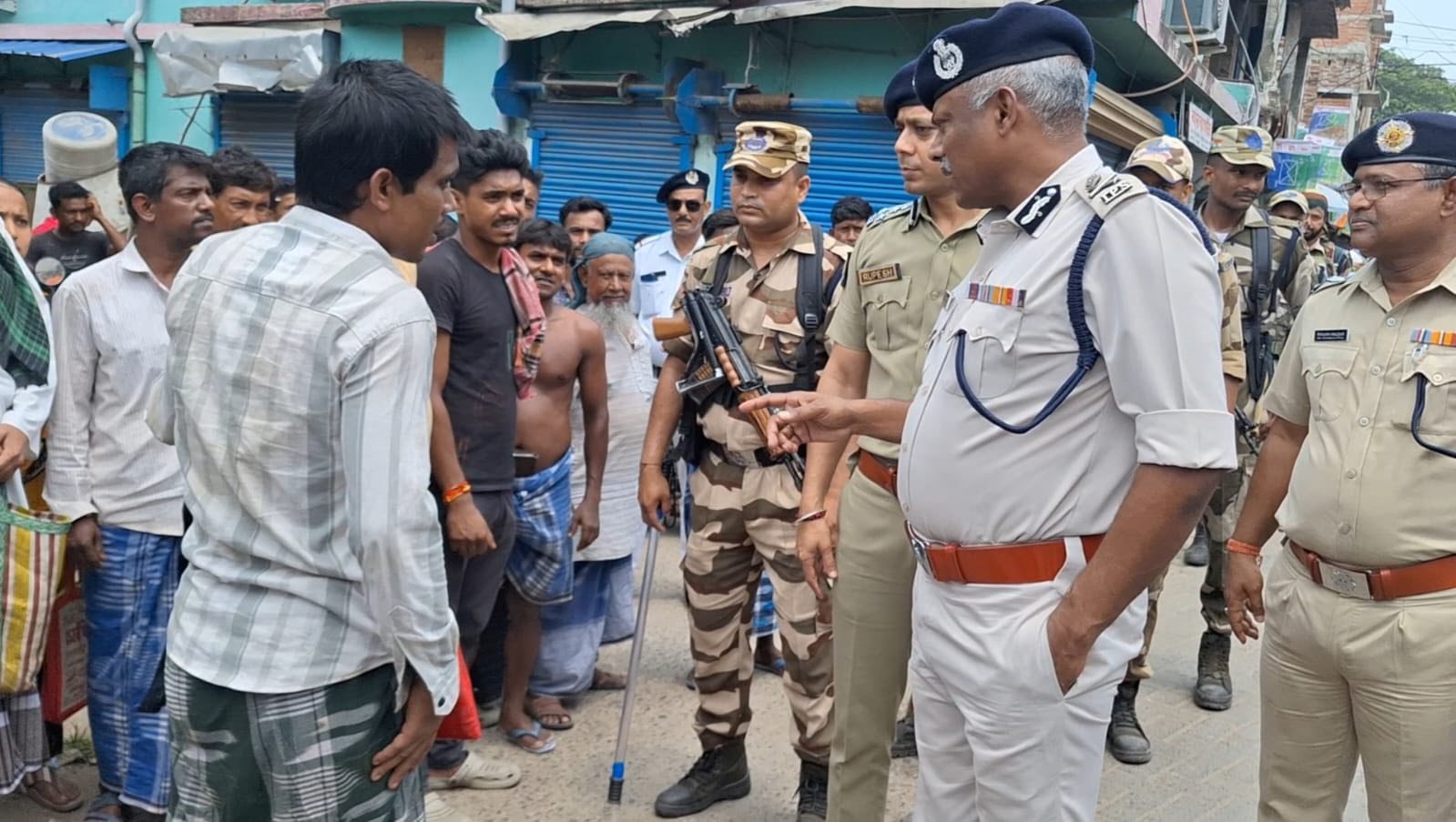
Crackdown On Extortion intensified across West Bengal after police arrested more than a dozen Trinamool Congress functionaries, local leaders, and councillors in separate cases linked to alleged extortion, violence, land disputes, and post-election criminal activity. The arrests covered multiple districts and urban centers, including Kolkata, Bidhannagar, Sandeshkhali, Habra, and surrounding areas, making the operation one of the most visible law-enforcement actions since the recent political transition.
Shillong Traffic Plan Introduces New One-Way System
Sikkim Rainfall Disrupts Key Highway Connectivity
Multiple Arrests Reported Across Key Locations
Police operations expanded rapidly across districts during the last 24 hours. According to officials, several individuals associated with the Trinamool Congress faced arrest in cases involving allegations of extortion, attempted murder, intimidation, illegal collection networks, and violence-related complaints.
Meanwhile, one of the most discussed arrests involved Bidhannagar Municipal Corporation councillor Sushovan Mondal along with another accused in an extortion-related case. Authorities stated that local complaints formed part of the basis for action.
Additionally, police detained labour leader Tarak De in Habra over allegations involving illegal collections from auto-rickshaw operators. Investigators also pursued cases connected to local syndicate activity and alleged financial pressure networks.
Post-Election Violence Investigations Gain Momentum
The latest operation unfolded against the backdrop of continuing investigations into post-election unrest. Consequently, police widened scrutiny across districts where complaints had remained pending.
At the same time, authorities arrested TMC youth leader Aritra Bose in Canning in connection with allegations that emerged following counting-day violence. Reports stated that his arrest triggered protests and required additional deployment near court proceedings and police transport routes.
Furthermore, police detained individuals linked to older unresolved incidents involving post-poll disturbances in districts including Hooghly and Swarupnagar. Officials indicated that investigations remain active and additional inquiries could continue.
Sandeshkhali Again Draws Public Attention
Crackdown On Extortion received added attention because Sandeshkhali appeared once again in political and policing discussions. Police detained local figures in cases involving allegations of land grabbing, attempted murder, and organized intimidation.
Meanwhile, investigators reportedly examined local complaint records and earlier incidents connected with political tensions in the area. Sandeshkhali has remained politically sensitive because of repeated confrontations and security concerns over recent months.
Additionally, observers noted that enforcement actions in politically contested regions often become highly visible and attract wider scrutiny.
Administration Continues Anti-Syndicate Push
The arrests followed a broader administrative campaign targeting alleged syndicate operations and illegal local influence networks. Earlier, law-enforcement agencies circulated operational directions intended to identify extortion practices and unauthorized dispute mechanisms.
According to police reports, previous operations had already led to arrests of local political figures accused of using influence in tenancy disputes and money collection activities. Consequently, the latest actions were viewed as part of an expanding enforcement strategy rather than isolated incidents.
Moreover, investigators reportedly coordinated across local police units and specialized teams while examining complaint histories.
Political Responses Deepen Debate
Crackdown On Extortion also triggered strong political reactions. Supporters of the enforcement drive argued that legal action should proceed irrespective of political affiliation.
However, Trinamool Congress leaders and associates in several cases questioned the timing and described some arrests as politically motivated. Public statements from accused individuals and local supporters challenged allegations and called for due process.
Meanwhile, political observers noted that criminal investigations involving elected representatives frequently become major public issues because they influence wider discussions around governance and institutional neutrality.
Impact On Local Governance And Public Confidence
The arrests created immediate effects across local political structures because councillors and party organizers often play direct roles in civic coordination and constituency outreach.
Additionally, residents in affected areas followed developments closely as police investigations continued. Analysts suggested that visible enforcement campaigns may influence public perceptions of accountability and administrative responsiveness.
At the same time, legal outcomes remain dependent on investigation findings and court proceedings.
What Happens Next
Authorities are expected to continue investigations and review additional complaints where necessary. Meanwhile, police have not ruled out further arrests if evidence supports additional action.
Furthermore, political parties are likely to intensify messaging around governance, law enforcement, and public trust as developments unfold.
Crackdown On Extortion has therefore become one of the most closely watched political and policing developments in West Bengal and may shape future debates around accountability, local influence networks, and electoral governance.
FAQs
How many arrests were reported?
Officials and reports indicated that more than a dozen TMC-linked functionaries and local figures were arrested within a short period.
Which areas were affected?
The arrests covered Kolkata, Bidhannagar, Sandeshkhali, Habra, Canning, and several districts across West Bengal.
What allegations were involved?
Cases included alleged extortion, violence, intimidation, attempted murder, and land-related disputes.
Was Sandeshkhali part of the operation?
Yes, police action included arrests connected to allegations in Sandeshkhali.
How did political groups respond?
Supporters defended the enforcement drive, while some TMC figures questioned the timing and motivation behind the arrests.
What happens next?
Investigations are continuing and further legal action may depend on evidence and court proceedings.