

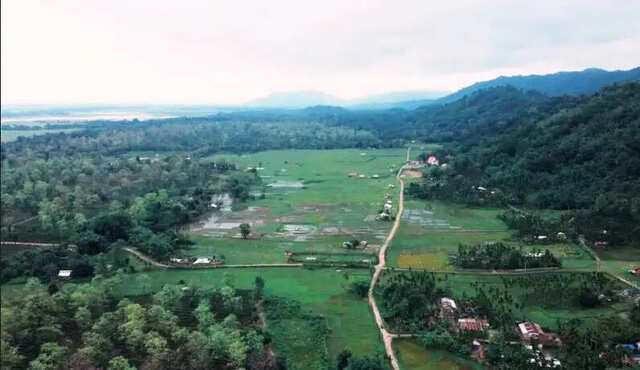
Calls for a thorough investigation into the allotment of land near Kaziranga National Park have intensified, with various groups and stakeholders seeking greater transparency regarding the process and its potential implications. The issue has attracted significant public attention due to Kaziranga’s status as one of India’s most important wildlife conservation areas and a globally recognized biodiversity hotspot.
Those demanding an inquiry have raised concerns regarding the circumstances surrounding the land allotment and have urged authorities to examine whether all relevant procedures, regulations, and environmental safeguards were properly followed. The matter has also sparked broader discussions about balancing development needs with environmental conservation and sustainable land-use planning.
Kaziranga National Park, renowned for its population of the one-horned rhinoceros and rich wildlife diversity, occupies a special place in India’s conservation landscape. As a result, any issue involving land use in areas surrounding the park tends to attract close scrutiny from environmental groups, policymakers, and local communities.
Growing Calls for Transparency
The demand for an investigation is largely centered on ensuring transparency and accountability in decisions related to land allocation near ecologically sensitive areas. Critics and concerned stakeholders argue that clear information regarding the allotment process should be made available to the public to prevent misunderstandings and build confidence in administrative decisions.
Supporters of an inquiry maintain that transparency is essential whenever land situated near protected ecosystems is involved. They believe that detailed reviews can help clarify whether all legal and procedural requirements were followed and whether potential environmental impacts were adequately considered.
The calls for scrutiny reflect broader public expectations regarding openness and responsible governance in matters related to natural resource management.
Importance of Kaziranga National Park
Kaziranga National Park is widely recognized as one of India’s most significant wildlife conservation success stories. Located in Assam, the park is home to a remarkable variety of species, including the iconic one-horned rhinoceros, elephants, tigers, wild buffaloes, and numerous bird species.
The park’s ecological importance extends beyond its wildlife populations. It plays a crucial role in maintaining biodiversity, supporting ecological balance, and preserving important natural habitats. As a result, developments occurring in areas surrounding the park often attract attention from conservationists and environmental experts.
The park’s status as a UNESCO World Heritage Site further underscores the importance of ensuring that activities in adjoining areas are carefully planned and monitored.
Concerns Over Environmental Impact
One of the primary issues raised by those seeking an investigation relates to potential environmental consequences. Ecologically sensitive areas often require special consideration because changes in land use can influence wildlife movement, habitat connectivity, and ecosystem stability.
Environmental advocates argue that any land allotment near protected areas should be assessed thoroughly to ensure that conservation objectives are not compromised. They stress the importance of conducting detailed evaluations and adhering to established environmental guidelines.
Officials and experts have frequently emphasized that sustainable development requires balancing economic growth with environmental protection. Ensuring that development activities are compatible with conservation goals remains a key consideration in regions adjacent to protected areas.
Balancing Development and Conservation
The debate surrounding the land allotment highlights a broader challenge faced by many regions: balancing developmental aspirations with environmental sustainability. Governments often seek to promote economic growth, infrastructure development, and investment opportunities while simultaneously preserving natural ecosystems.
Supporters of development projects argue that carefully planned initiatives can contribute to economic progress and generate benefits for local communities. However, environmental groups stress that conservation considerations must remain central to decision-making processes, particularly near protected landscapes.
The current controversy has reignited discussions about how authorities can achieve sustainable development without compromising ecological integrity. Many stakeholders believe that transparent reviews and comprehensive assessments are essential for striking the right balance.
Role of Regulatory Frameworks
India has established a range of laws, regulations, and environmental safeguards designed to protect ecologically sensitive regions. These frameworks govern activities related to land use, environmental clearance, wildlife protection, and development planning.
Those demanding an investigation argue that examining compliance with these regulations is necessary to ensure accountability and public confidence. They contend that any ambiguity surrounding procedural matters should be clarified through a formal review process.
Officials have consistently emphasized the importance of adhering to legal and environmental requirements when undertaking activities near protected areas. Effective implementation of regulatory mechanisms is viewed as critical for maintaining both environmental protection and public trust.
Public Interest and Community Concerns
The issue has also generated interest among local communities, many of whom have strong social, cultural, and economic ties to the region. Residents often play an important role in conservation efforts and are directly affected by decisions related to land use and development.
Community members have expressed varying perspectives on the matter. Some emphasize the importance of safeguarding the environment and preserving Kaziranga’s ecological significance, while others highlight the need for development opportunities and economic growth.
The ongoing discussions demonstrate the complexity of land-related issues in areas where environmental, social, and economic interests intersect. Authorities may need to engage with multiple stakeholders to address concerns and ensure informed decision-making.
Demand for Independent Review
Several voices advocating an investigation have suggested that an independent review could help establish clarity regarding the allotment process. Such a review, they argue, would provide an objective assessment of facts and help address questions raised by various stakeholders.
Independent inquiries are often viewed as mechanisms for enhancing transparency and strengthening public confidence in administrative decisions. Supporters believe that a thorough examination can help identify whether any procedural irregularities occurred and recommend corrective measures if necessary.
At the same time, others have stressed the importance of avoiding premature conclusions and allowing relevant authorities to evaluate the matter based on evidence and established procedures.
Conservation and Governance in Focus
The controversy has brought renewed attention to broader issues related to environmental governance and conservation management. Protected areas such as Kaziranga require careful planning and coordinated efforts to ensure long-term sustainability.
Experts note that conservation success depends not only on protecting core wildlife habitats but also on managing surrounding landscapes responsibly. Land-use decisions in adjacent regions can have significant implications for biodiversity and ecological resilience.
The current debate therefore extends beyond a single allotment issue and touches upon larger questions concerning environmental stewardship, governance, and sustainable development.
Looking Ahead
As demands for an investigation into the land allotment near Kaziranga National Park continue to grow, attention remains focused on how authorities will respond to the concerns raised by stakeholders. Calls for transparency, accountability, and environmental protection have become central themes in the ongoing discussion.
The outcome of any review or inquiry could have important implications for future land-use decisions in ecologically sensitive areas. It may also contribute to broader conversations about balancing development objectives with conservation priorities.
For many observers, the issue underscores the importance of ensuring that decisions affecting environmentally significant regions are guided by transparency, legal compliance, and scientific assessment. As Kaziranga continues to serve as a symbol of successful wildlife conservation, stakeholders remain keenly interested in safeguarding the ecological integrity of the areas surrounding the national park.
The debate highlights the growing public awareness of environmental issues and the expectation that development-related decisions should be both accountable and sustainable. Whether through formal investigations, public consultations, or regulatory reviews, the focus remains on ensuring that the long-term interests of conservation and responsible governance are protected.